
GE Ultrasound Feature
Agile Acoustic
Imaging TechnologyAgile Acoustic Architecture automatically tunes ultrasound beam characteristics to match the tissue being scanned, adjusting transmit frequency, focal zones, and signal processing without manual intervention. The system analyzes returning echo data and adapts parameters in real time, maintaining uniform image quality from superficial structures through deep anatomy. This reduces the number of manual adjustments sonographers make during an exam, particularly when scanning patients with higher BMI or moving between different anatomical regions.

Key Benefits
Why Agile Acoustic matters
Uniform image quality without manual tuning
The system continuously adjusts beam parameters as scanning conditions change. Superficial and deep structures display with balanced signal levels, reducing the need to stop and re-optimize settings between anatomical regions.
Better penetration in larger patients
Agile Acoustic adapts transmit characteristics to maintain diagnostic image quality in patients with higher attenuation. Operators spend less time working for adequate penetration in challenging body habitus cases.
Faster exams with fewer knob adjustments
By automating frequency selection and focal zone management, Agile Acoustic reduces the manual steps per exam. Sonographers move through the study more fluidly, which adds up to real time savings across a full day of scanning.
More consistent image quality across staff experience levels
Experienced sonographers instinctively know how to tune parameters for each patient. Agile Acoustic gives newer operators access to that same optimization automatically, narrowing the image quality gap between novice and veteran staff.
About Agile Acoustic
Traditional ultrasound requires the operator to manually select frequency, focal position, and gain settings based on the clinical scenario and patient body habitus. Moving from a thin patient to a larger one, or scanning from superficial thyroid to deep abdominal structures, typically requires several parameter changes. Agile Acoustic Architecture automates these decisions by continuously evaluating the acoustic properties of the tissue in the beam path. The system detects changes in attenuation, scatter, and signal-to-noise ratio, then adjusts transmit parameters to optimize penetration and resolution for the current scanning conditions. Near-field and far-field structures receive balanced signal levels without manual TGC adjustment in most cases. This is particularly valuable in general imaging, abdominal, and musculoskeletal applications where the sonographer moves across tissue types frequently within a single exam. By reducing the time spent on image optimization, Agile Acoustic lets operators focus on anatomy identification and diagnostic assessment rather than system controls.
Availability
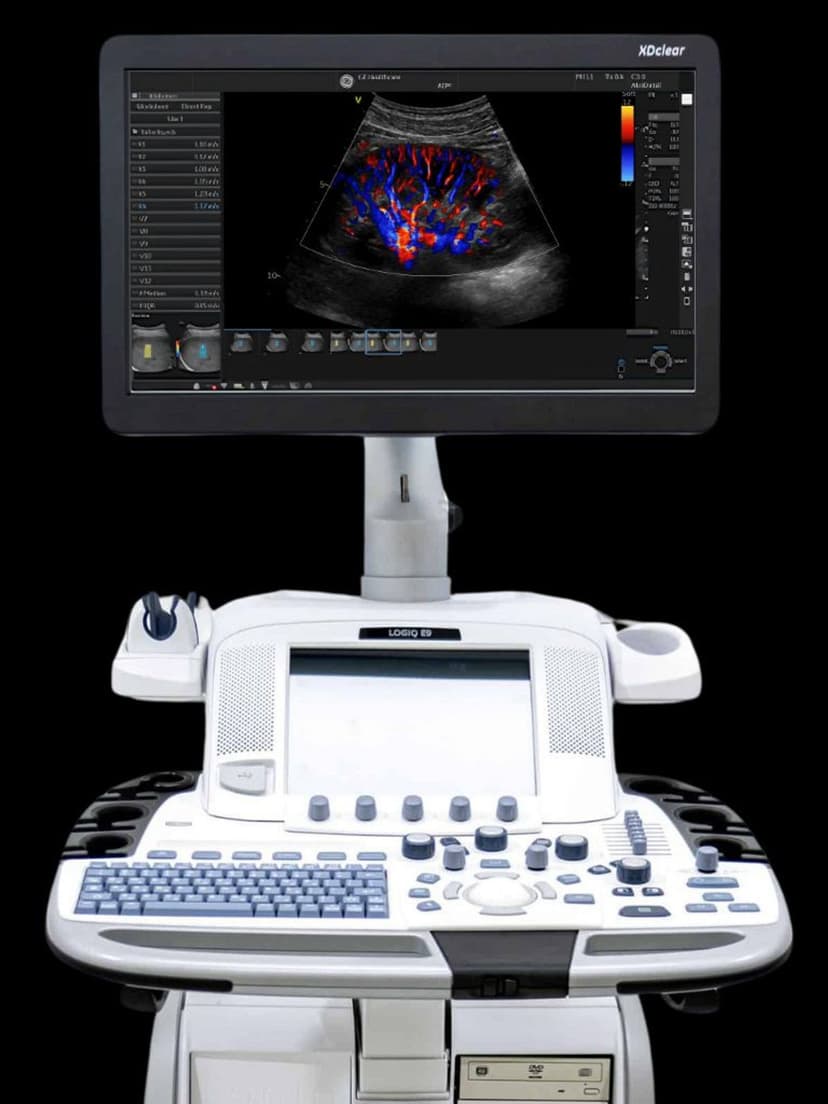
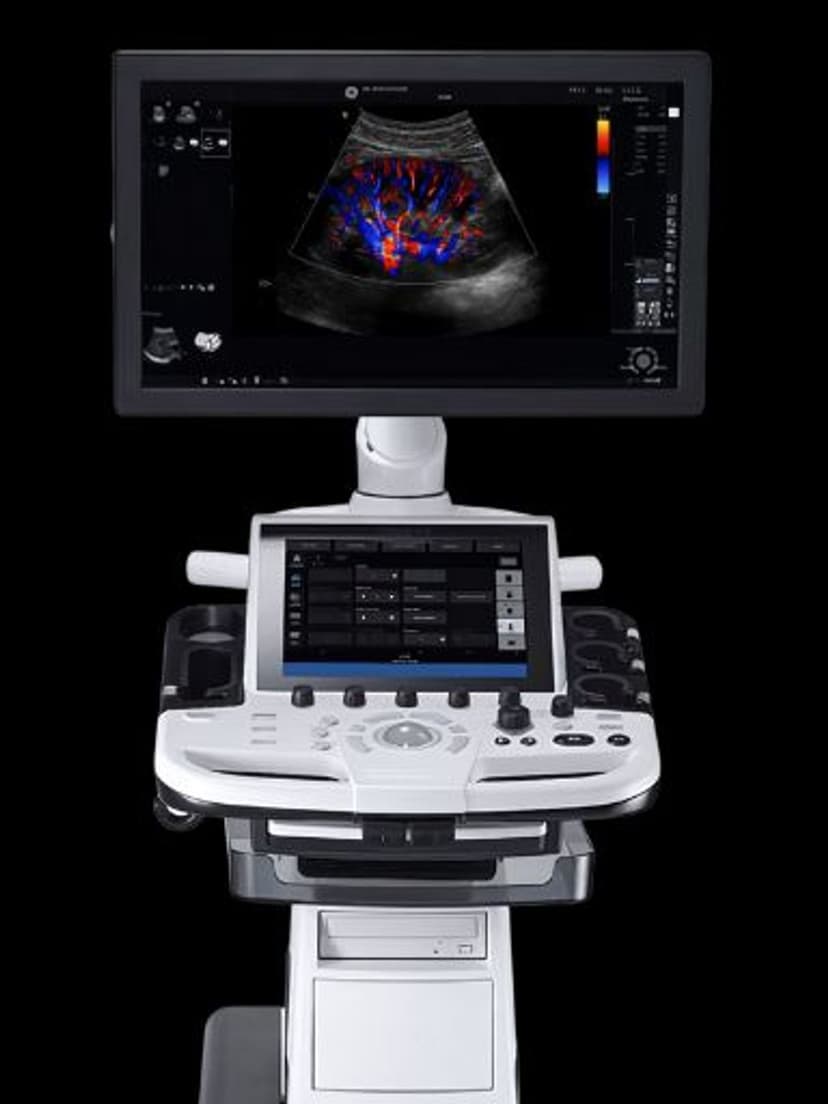
Available on these systems
Our Partners


















Want Agile Acoustic in your practice?
Request a quote for a system that includes this feature.