
GE Ultrasound Feature
AI Workflow Optimization
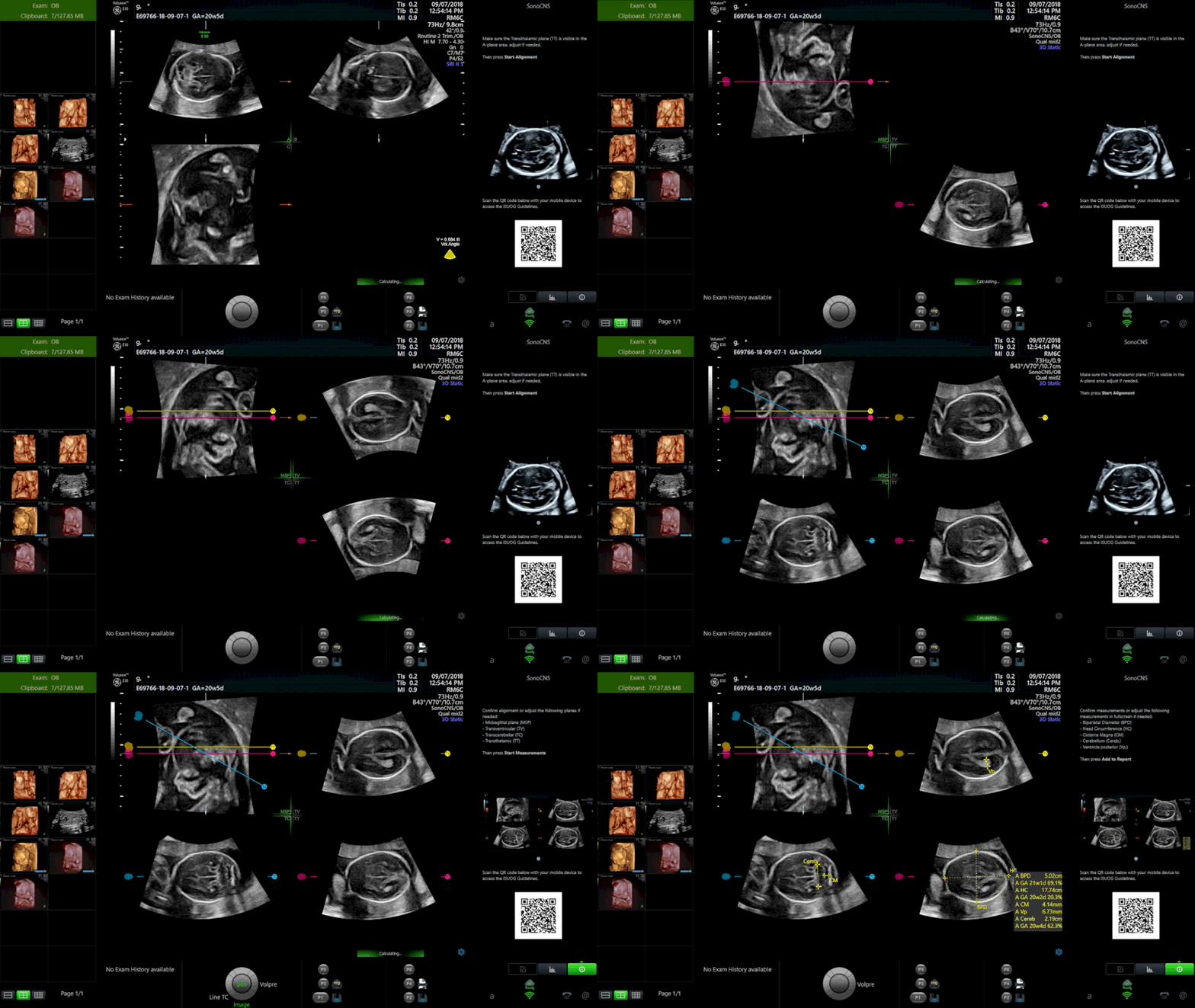
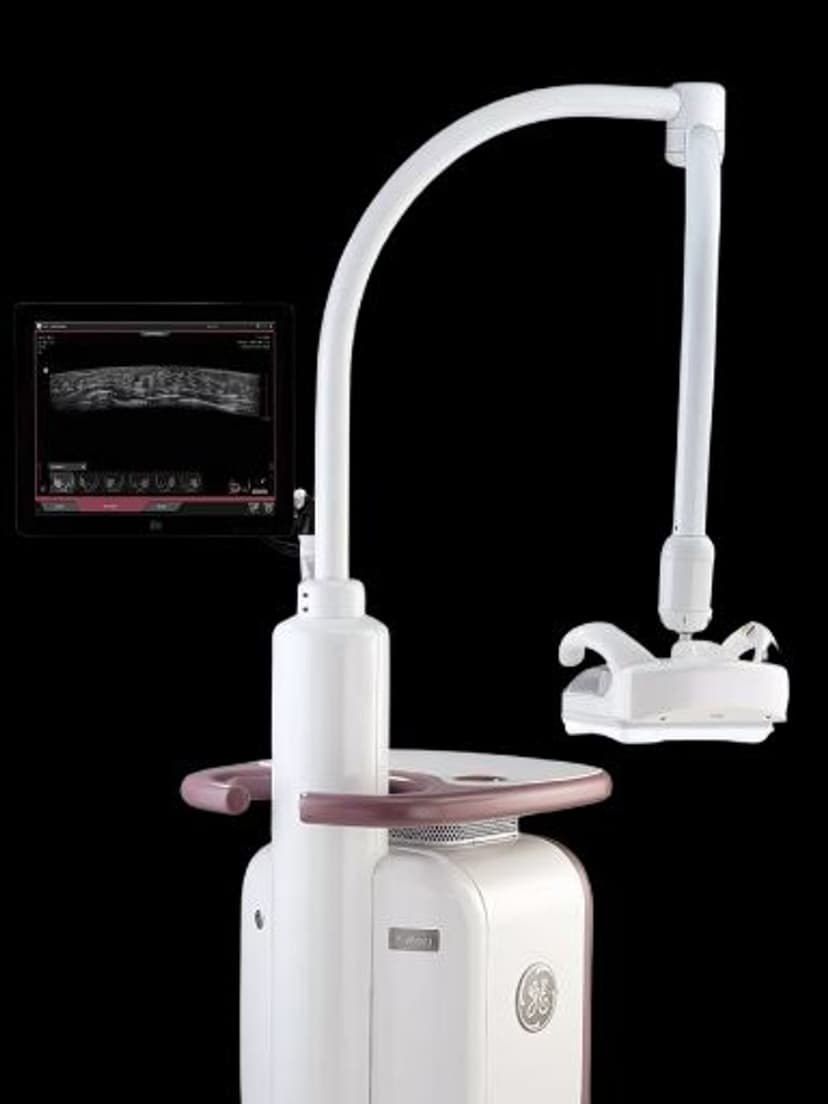
WorkflowAI Workflow Optimization is a collection of AI-based automation tools on the GE Invenia ABUS system designed to reduce manual steps during automated breast ultrasound scanning. The system uses AI to predict and apply optimal imaging parameters based on breast tissue characteristics, standardize scan protocols for reproducibility, and auto-document findings during the acquisition process. By automating parameter adjustments and documentation that would otherwise require operator input, AI Workflow Optimization helps maintain consistent scan quality across operators and reduces the per-exam time in high-volume breast imaging programs.
Key Benefits
Why AI Workflow Optimization matters
Consistent scan quality across operators and shifts
AI-driven parameter adjustment removes operator-dependent variability in gain, frequency, and compression settings. Whether the scan is performed by a senior technologist or a newer staff member, the system produces standardized acquisition quality.
Standardized protocols for screening program compliance
Automated protocol application ensures every breast scan follows the same coverage and positioning standards. This consistency is required for reproducible supplemental screening programs where scan-to-scan comparability drives clinical value.
Reduced manual input during high-volume acquisition
The AI handles parameter adjustments and documentation tasks that would otherwise require technologist input at each step. In breast screening programs that scan dozens of patients per day, this per-exam time reduction compounds into real throughput gains.
Automated finding documentation during scan
AI Workflow Optimization captures and records scan metadata and finding positions during acquisition rather than requiring post-scan annotation. Technologists spend less time on manual documentation, and radiologists receive organized datasets that are faster to review.
About AI Workflow Optimization
Automated breast ultrasound screening generates large volumes of 3D data that must be acquired consistently across patients, operators, and exam sessions. AI Workflow Optimization addresses this consistency challenge by automating several steps that are traditionally operator-dependent. During acquisition, the AI adjusts imaging parameters such as compression, gain, and frequency based on the tissue characteristics detected in real time. This reduces the variability that occurs when different operators make different parameter choices for similar breast types. The system also applies standardized scan protocols automatically, ensuring that every acquisition follows the same coverage pattern and positioning rules required for reproducible screening programs. Documentation automation captures relevant scan metadata and positions findings within the dataset, reducing the manual annotation burden on technologists. For breast imaging centers running supplemental screening programs for women with dense breast tissue, this automation is critical because high patient throughput depends on efficient, standardized acquisition workflows.
Availability
Available on these systems
Our Partners








Want AI Workflow Optimization in your practice?
Request a quote for a system that includes this feature.