
GE Ultrasound Feature
Auto B-Lines
AI & AutomationAuto B-Lines is a deep-learning AI tool on GE Venue systems that automatically detects and counts B-lines during lung ultrasound exams. B-lines are vertical hyperechoic artifacts that extend from the pleural line to the edge of the screen, and their presence and quantity indicate fluid in the lung interstitium. Manual B-line counting is subjective, time-consuming, and varies significantly between operators. Auto B-Lines eliminates this variability by using trained neural networks to identify B-lines in each intercostal scanning zone, calculate a per-zone count, and generate an overall lung score. The feature is designed for emergency departments, ICU bedside assessment, and outpatient heart failure monitoring where rapid, objective lung fluid evaluation drives treatment decisions.

Key Benefits
Why Auto B-Lines matters
Objective lung scoring replaces subjective visual counting
Manual B-line counting varies between operators and even between repeat exams by the same operator. Auto B-Lines applies a consistent algorithm to every frame, producing a standardized lung score that enables reliable comparison across exams and operators.
Real-time results during bedside scanning
The AI processes each ultrasound frame as it is acquired, displaying B-line counts and highlighted artifacts in real time. Clinicians see results during the scan rather than waiting for post-processing, supporting rapid clinical decision-making in emergency and ICU settings.
Reduced training burden for lung ultrasound protocols
B-line identification is one of the harder skills in point-of-care ultrasound training. Auto B-Lines gives less experienced clinicians confidence that they are correctly identifying and counting B-lines, accelerating their competency with lung ultrasound protocols.
Quantified serial monitoring for heart failure management
For outpatient heart failure clinics, tracking B-line scores over time provides an objective measure of pulmonary congestion. A rising lung score between visits can trigger earlier intervention with diuretic therapy before the patient develops overt symptoms.
About Auto B-Lines
B-lines are a well-established lung ultrasound finding. Three or more B-lines in a single intercostal space suggest interstitial edema, while their bilateral distribution indicates conditions such as acute decompensated heart failure, ARDS, or interstitial lung disease. The clinical challenge is that manual B-line counting is subjective -- studies show significant inter-observer variability, especially among less experienced clinicians. Auto B-Lines addresses this with a deep-learning algorithm trained on thousands of annotated lung ultrasound images. During scanning, the system processes each frame in real time, highlighting detected B-lines on the display and providing a running count. As the clinician moves through the standard scanning protocol (typically 8 or 12 zones), Auto B-Lines tracks the maximum B-line count per zone and calculates an aggregate lung score. The system displays the frame with the highest B-line count for each zone, giving the clinician a visual reference alongside the numerical score. This combination of real-time detection, automatic counting, and aggregate scoring turns a subjective visual assessment into a quantified, reproducible measurement. For serial monitoring of heart failure patients, the standardized scoring enables objective comparison between visits.
Availability
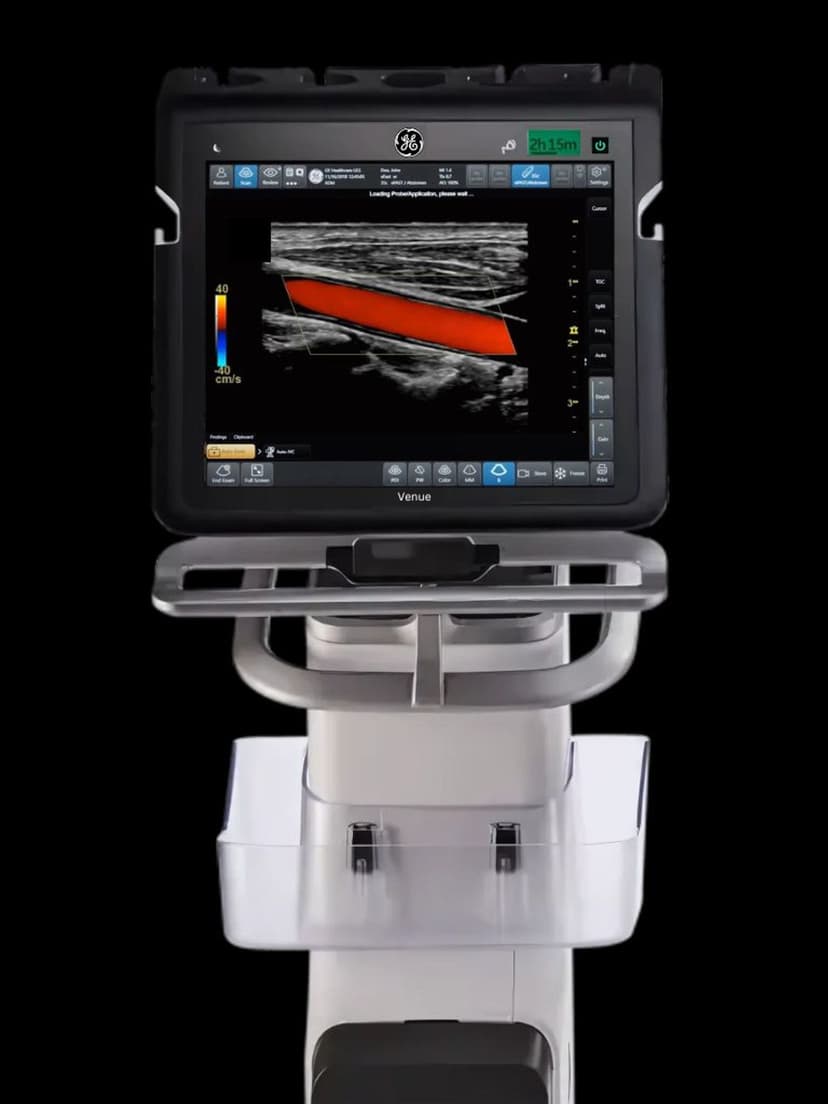
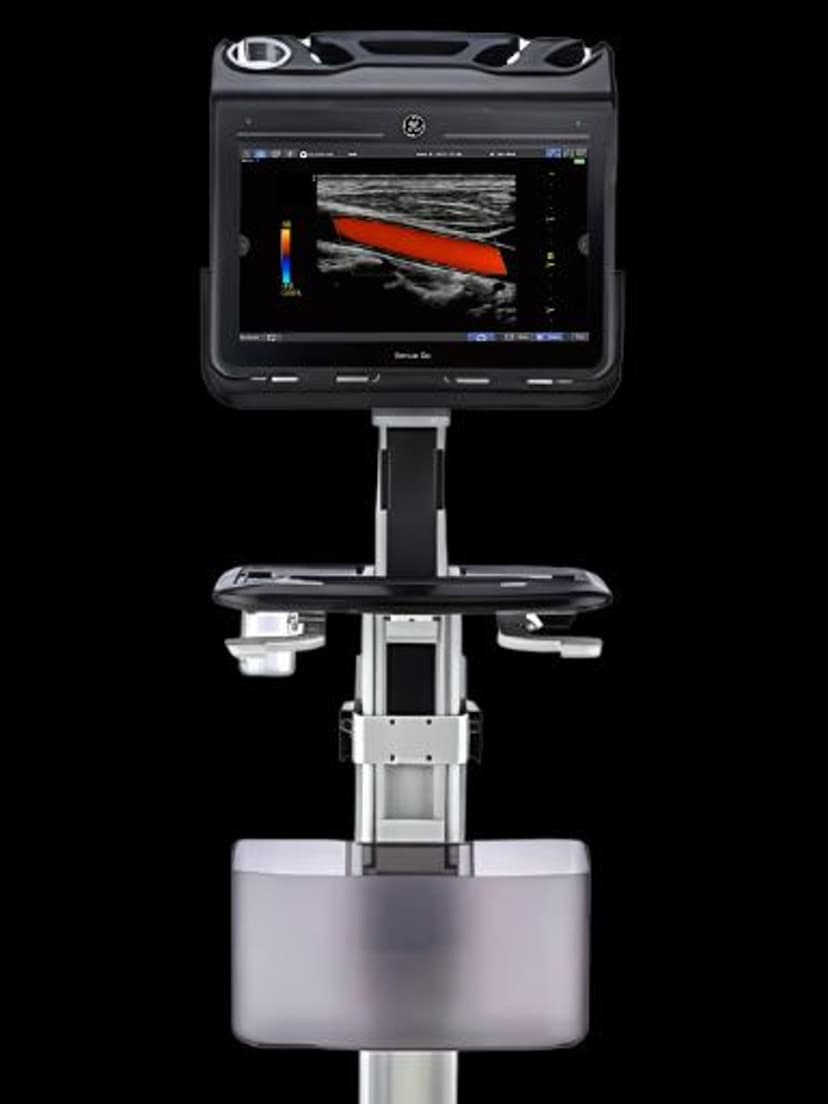
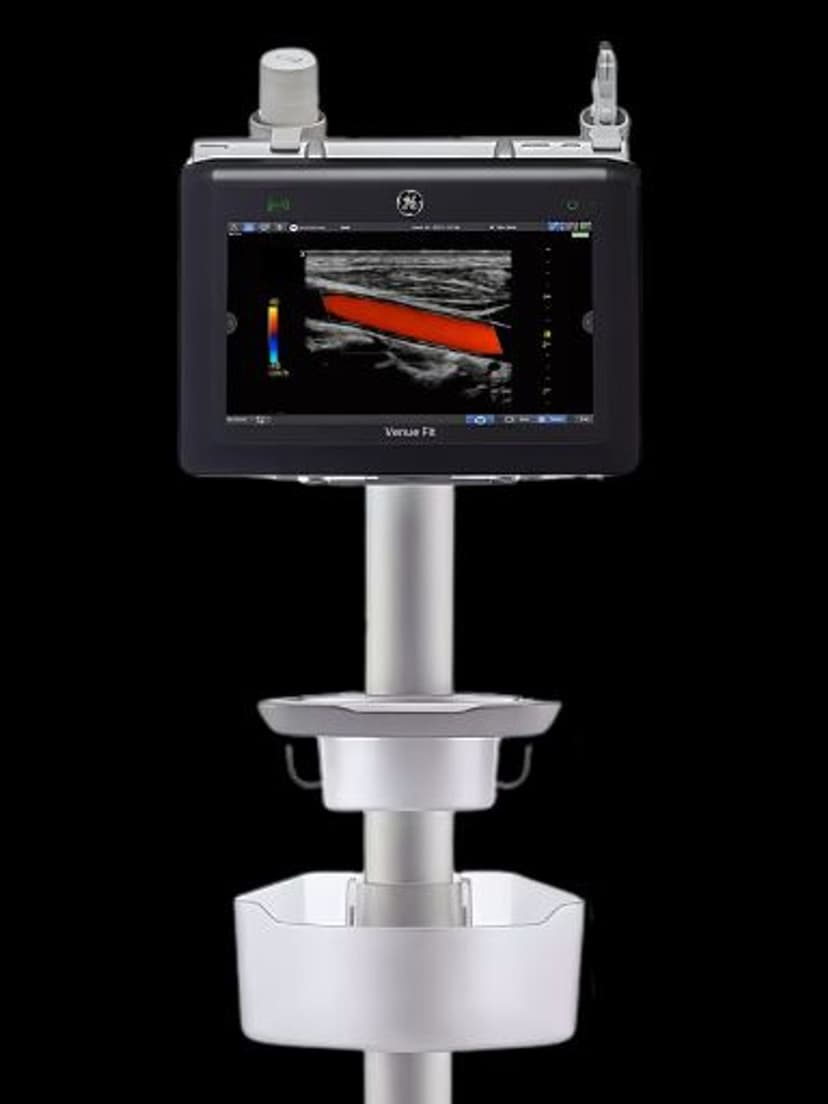
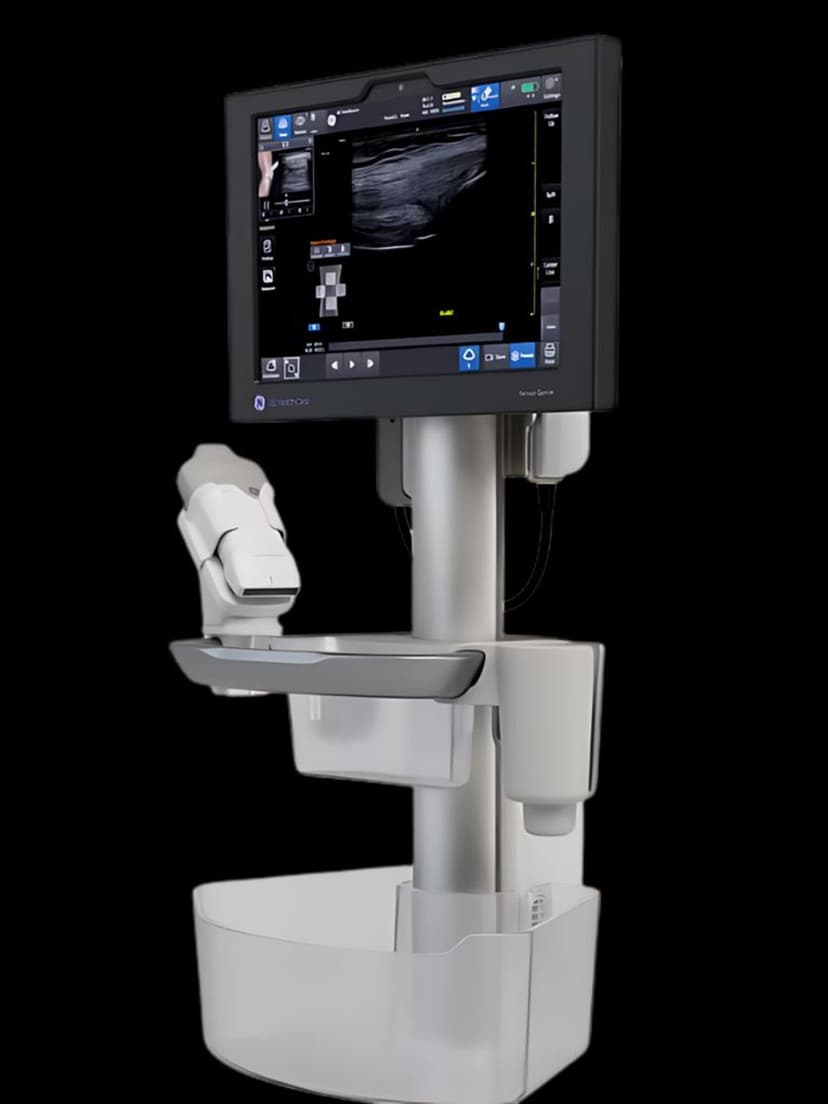
Available on these systems
Our Partners


















Want Auto B-Lines in your practice?
Request a quote for a system that includes this feature.