
GE Ultrasound Feature
Auto Doppler
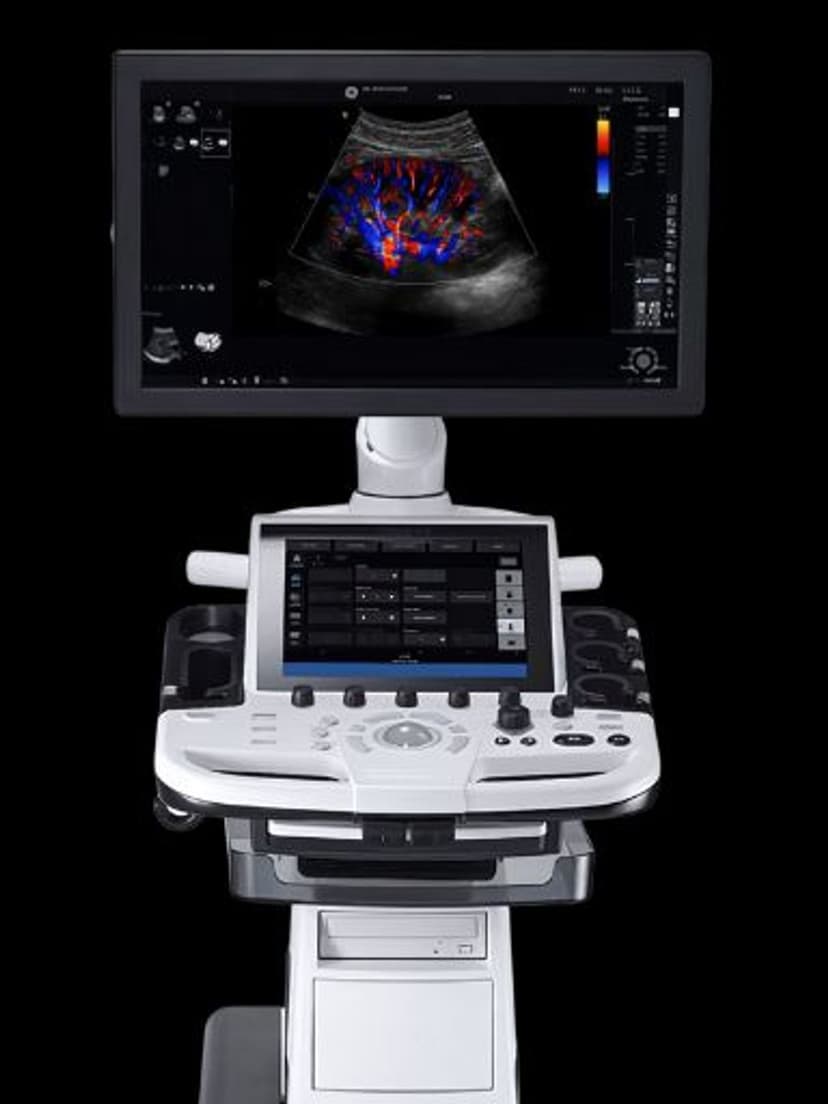
AI & AutomationAuto Doppler uses AI-based spectrum recognition to automate the most repetitive steps in Doppler acquisition: gate placement, baseline adjustment, scale optimization, and velocity measurement. Instead of manually positioning the sample volume and adjusting multiple parameters for each measurement, clinicians freeze the image and press Measure. The AI identifies the vessel anatomy, calculates the optimal insonation angle, and delivers accurate velocity and flow data. Auto Doppler works in both adult and pediatric TTE and TEE studies, making it valuable for any practice performing cardiac or vascular Doppler exams.

Key Benefits
Why Auto Doppler matters
Up to 93% fewer keystrokes per Doppler exam
Auto Doppler automates gate placement, baseline adjustment, and scale optimization. Two clicks (Freeze and Measure) replace what previously required 10+ manual adjustments per measurement. In a 30-measurement echo exam, the cumulative time savings are substantial.
Reproducible measurements regardless of operator
AI-driven sample volume placement removes the variability that comes with manual technique. New and experienced sonographers produce the same measurement precision, which strengthens lab accreditation metrics and serial study comparisons.
Diagnostic-grade Doppler data in cardiac and vascular exams
Auto Doppler delivers accurate peak velocity, mean velocity, and flow measurements across TTE, TEE, and vascular protocols. The AI adjusts for vessel angle and anatomy, reducing the risk of measurement errors that could affect clinical decisions.
Lower ergonomic burden on sonography staff
Fewer manual adjustments mean fewer keystrokes and trackball movements per exam. Over hundreds of studies per week, this reduction in repetitive micro-movements decreases the risk of repetitive strain injuries among your sonography team.
About Auto Doppler
In a standard echocardiography or vascular exam, Doppler measurements account for a large portion of total exam time. Each measurement traditionally requires the sonographer to manually position the sample volume, adjust the angle correction, set the baseline, and optimize the velocity scale. Auto Doppler eliminates these repetitive steps through AI pattern recognition trained on clinical datasets. The system identifies vessel anatomy, calculates the optimal insonation angle, and places the sample volume with high precision. GE reports up to 93% keystroke reduction per Doppler acquisition compared to fully manual workflows. Beyond speed, the automation reduces inter-operator variability because every sonographer gets the same AI-driven placement rather than relying on individual technique. This consistency is particularly important for serial studies where small changes in velocity measurements guide clinical decisions. Auto Doppler supports PW Doppler, CW Doppler, and color flow measurements across cardiac and vascular applications.
Availability
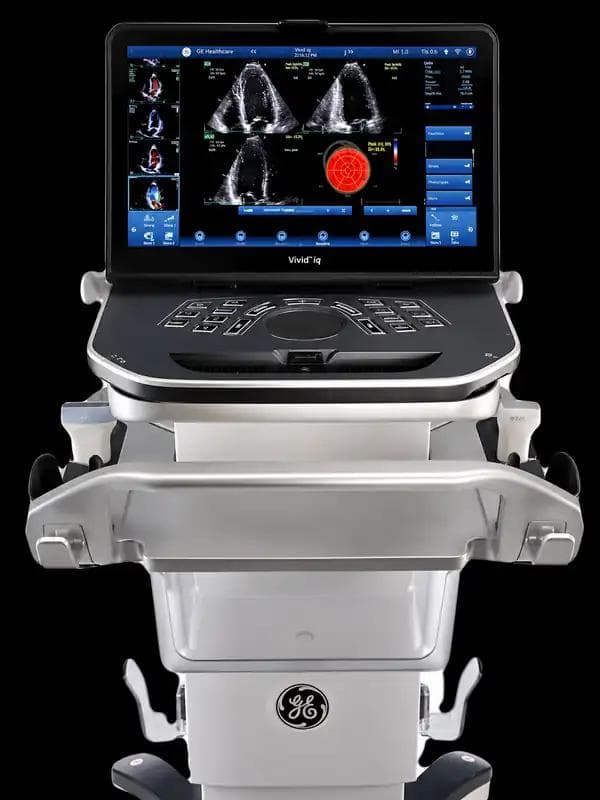
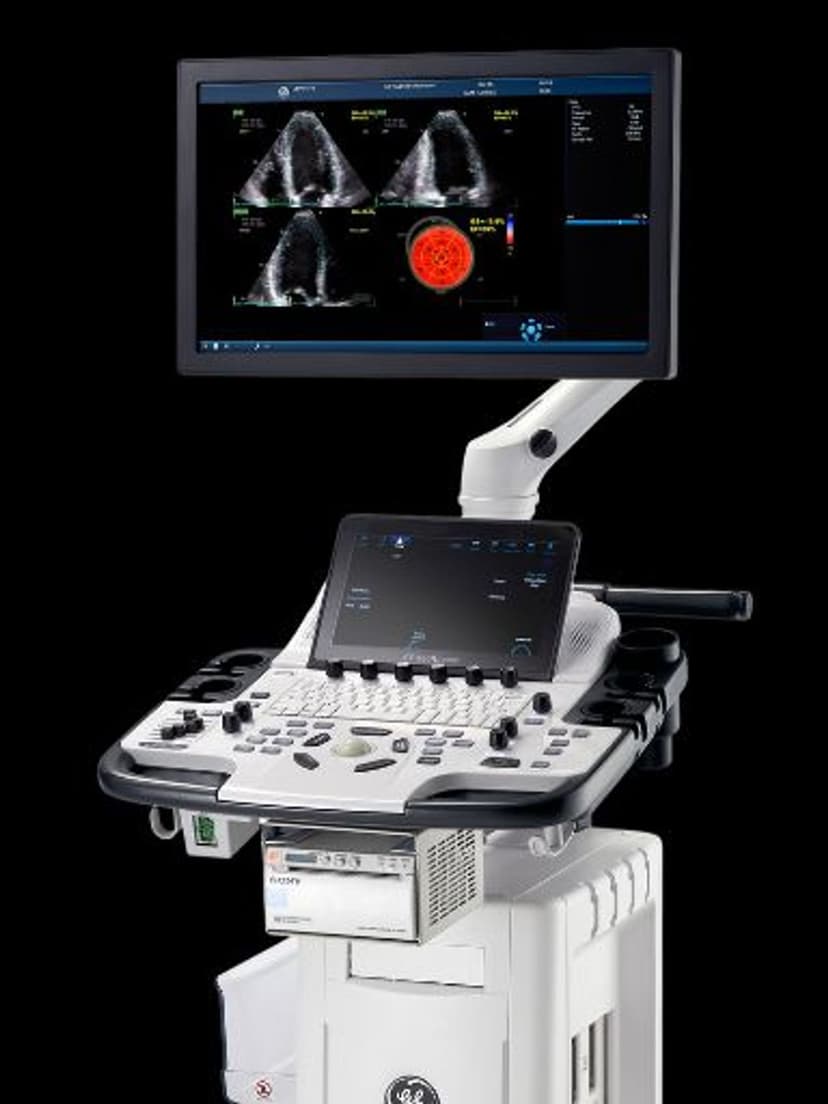
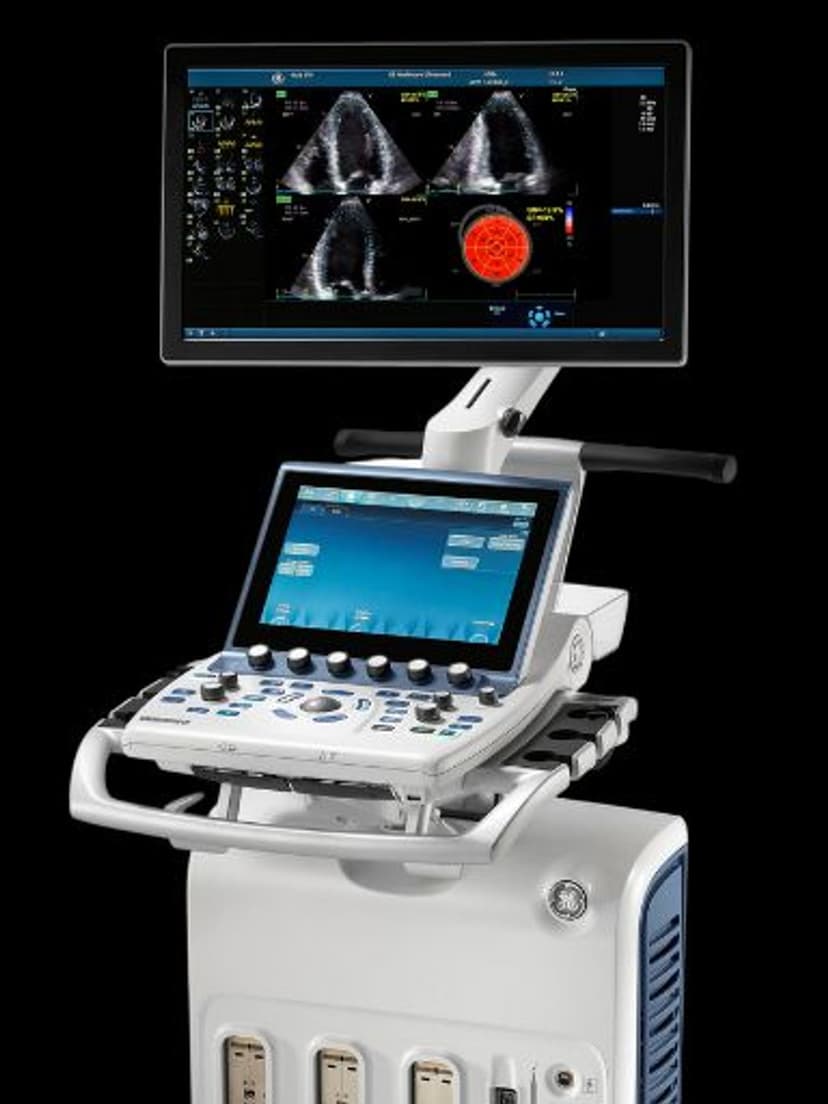
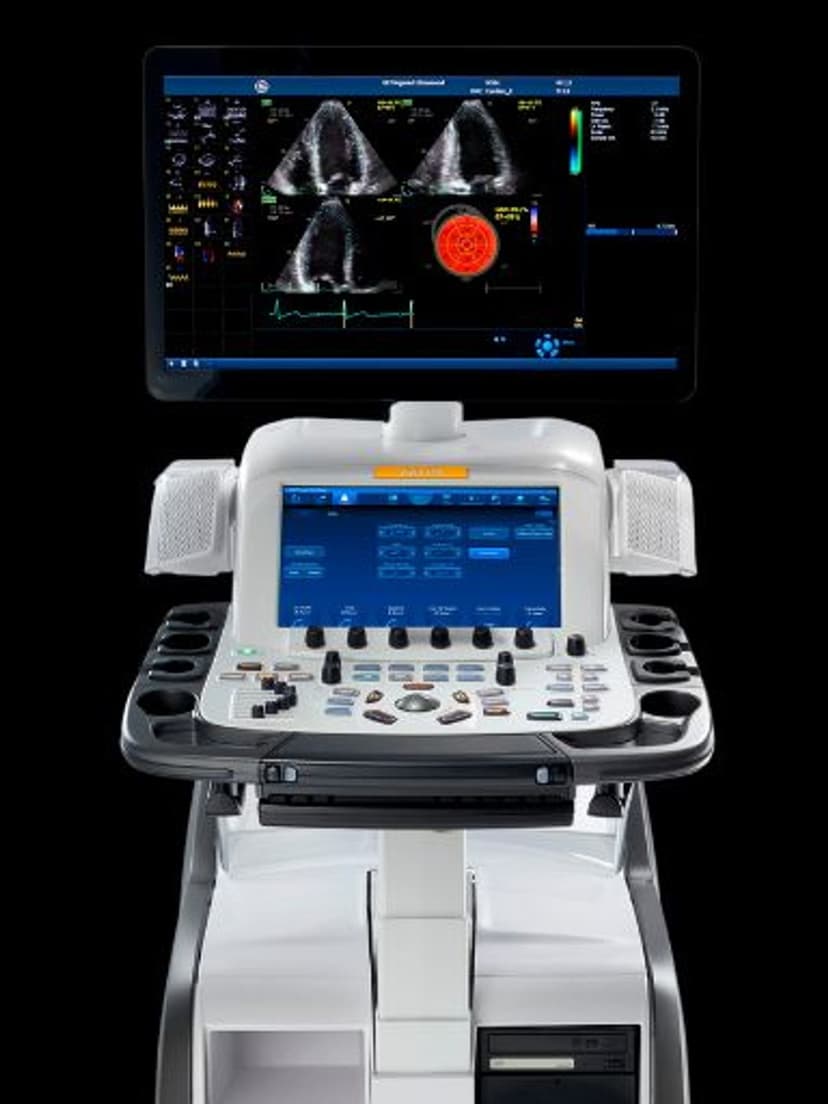
Available on these systems
Our Partners
















Want Auto Doppler in your practice?
Request a quote for a system that includes this feature.