
GE Ultrasound Feature
Auto IVC
AI & AutomationAuto IVC uses AI algorithms to automatically measure the maximum and minimum diameter of the inferior vena cava during the respiratory cycle, then calculates the IVC collapsibility index. This measurement is a standard point-of-care indicator of intravascular volume status and fluid responsiveness, used in emergency departments, ICUs, and during shock evaluation. The automation removes the manual freeze-and-caliper approach, which is time-consuming and operator-dependent. Auto IVC delivers results with minimal user input, making the measurement accessible to clinicians with varying levels of ultrasound experience. The feature works with GE's Shock Toolkit on Venue systems for structured hemodynamic assessment.

Key Benefits
Why Auto IVC matters
Automated diameter and collapsibility index in seconds
The AI tracks IVC walls across the respiratory cycle and calculates max diameter, min diameter, and collapsibility index without manual caliper placement. What normally takes 30-60 seconds of freeze-measure-calculate becomes an automated result during the scan.
Reliable results regardless of operator experience
Manual IVC measurement is one of the most operator-dependent point-of-care assessments. Auto IVC removes the variability of manual caliper placement, so emergency physicians, residents, and ICU nurses produce measurements comparable to experienced sonographers.
Faster fluid status decisions in shock and resuscitation
In hemodynamically unstable patients, rapid determination of volume status guides fluid bolus decisions. Auto IVC accelerates this assessment, fitting into the time-critical workflow of emergency resuscitation and RUSH protocol evaluations.
Part of the Shock Toolkit for structured hemodynamic assessment
Auto IVC is one component of GE's Shock Toolkit, alongside Auto VTI and Auto B-Lines. Together, these tools provide a structured point-of-care hemodynamic evaluation covering cardiac output, volume status, and pulmonary fluid, giving clinicians a complete picture in minutes.
About Auto IVC
The IVC collapsibility index is a ratio derived from the maximum and minimum IVC diameters measured during a respiratory cycle. A collapsible IVC suggests the patient may respond to fluid resuscitation, while a distended, non-collapsing IVC suggests volume overload or elevated right-sided cardiac pressures. Traditionally, measuring this requires the operator to freeze the image at peak inspiration and expiration, manually place calipers, and calculate the ratio. Auto IVC automates this entire sequence. The AI algorithm identifies the IVC in the subcostal view, tracks the vessel walls across the respiratory cycle, and captures the maximum and minimum diameters automatically. The collapsibility or distensibility index is calculated and displayed on screen. This automation addresses two problems: it reduces the time required for the measurement in time-critical scenarios like shock evaluation, and it reduces inter-operator variability that can make manual IVC measurements unreliable. Studies have shown that manual IVC measurements vary significantly between operators, particularly among less experienced users. Auto IVC produces consistent measurements regardless of the operator's ultrasound background, which is especially important in emergency departments where IVC assessment may be performed by physicians who are not dedicated sonographers.
Availability
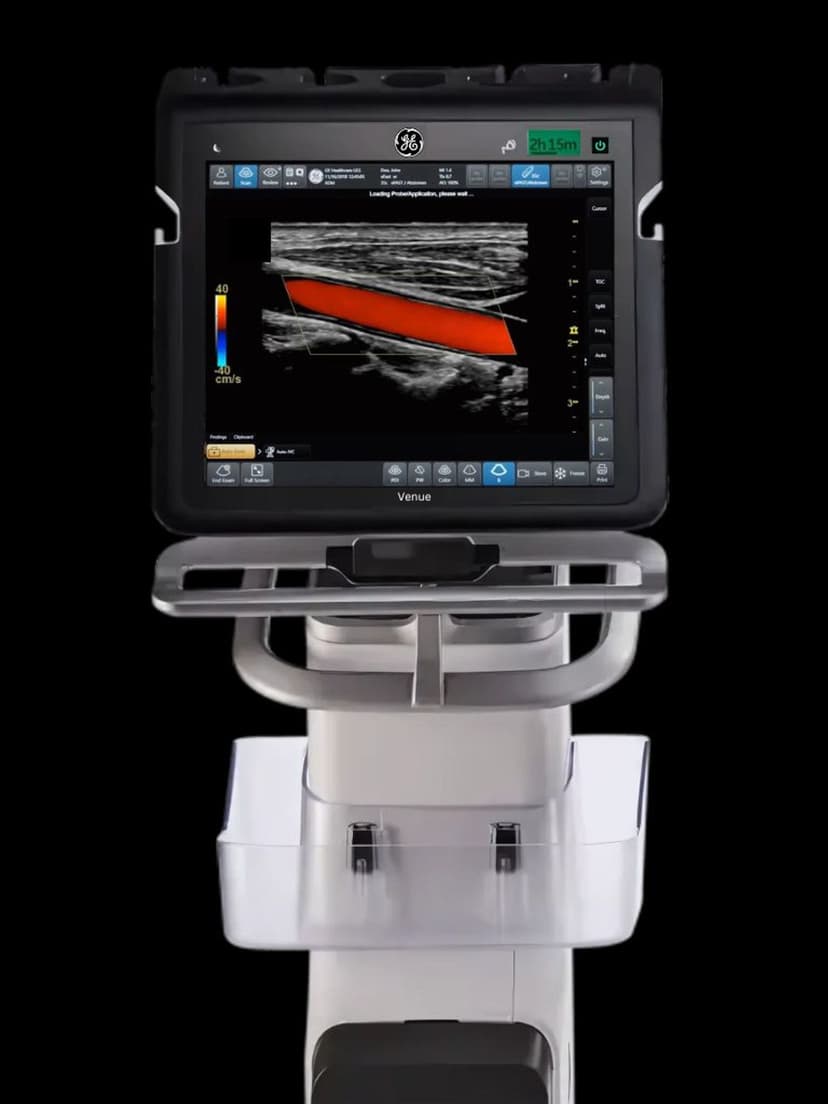
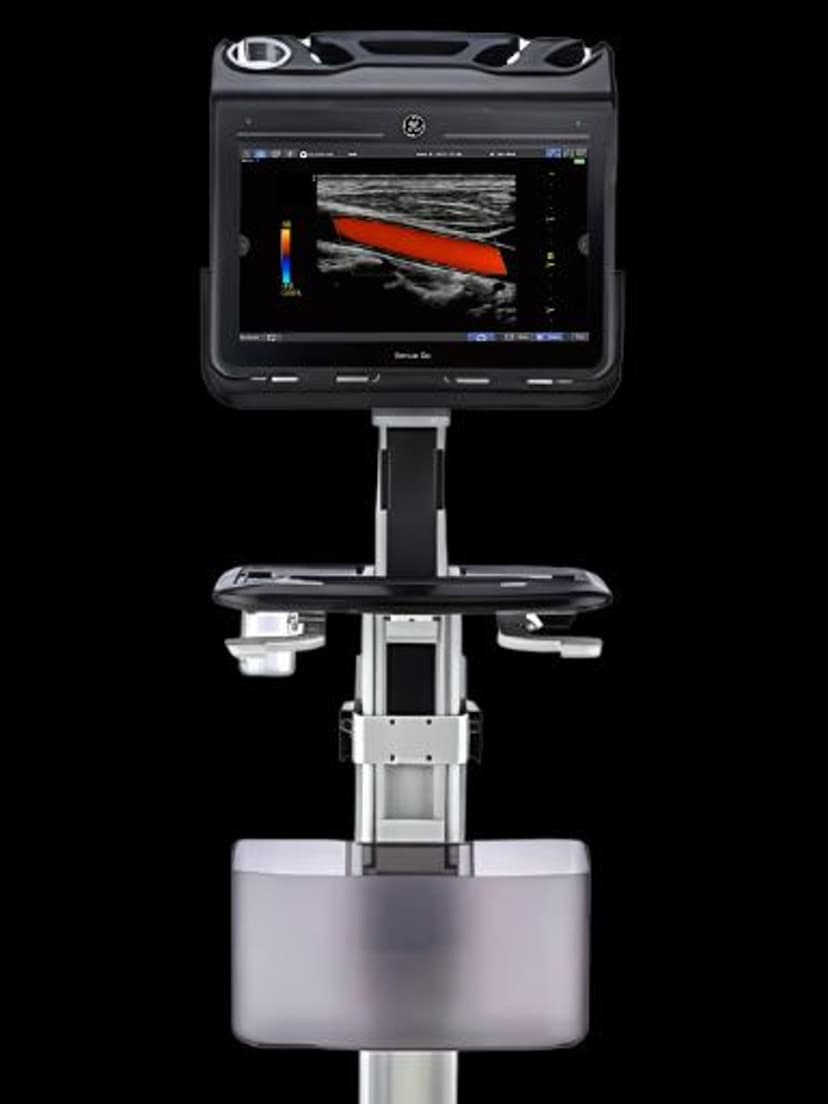
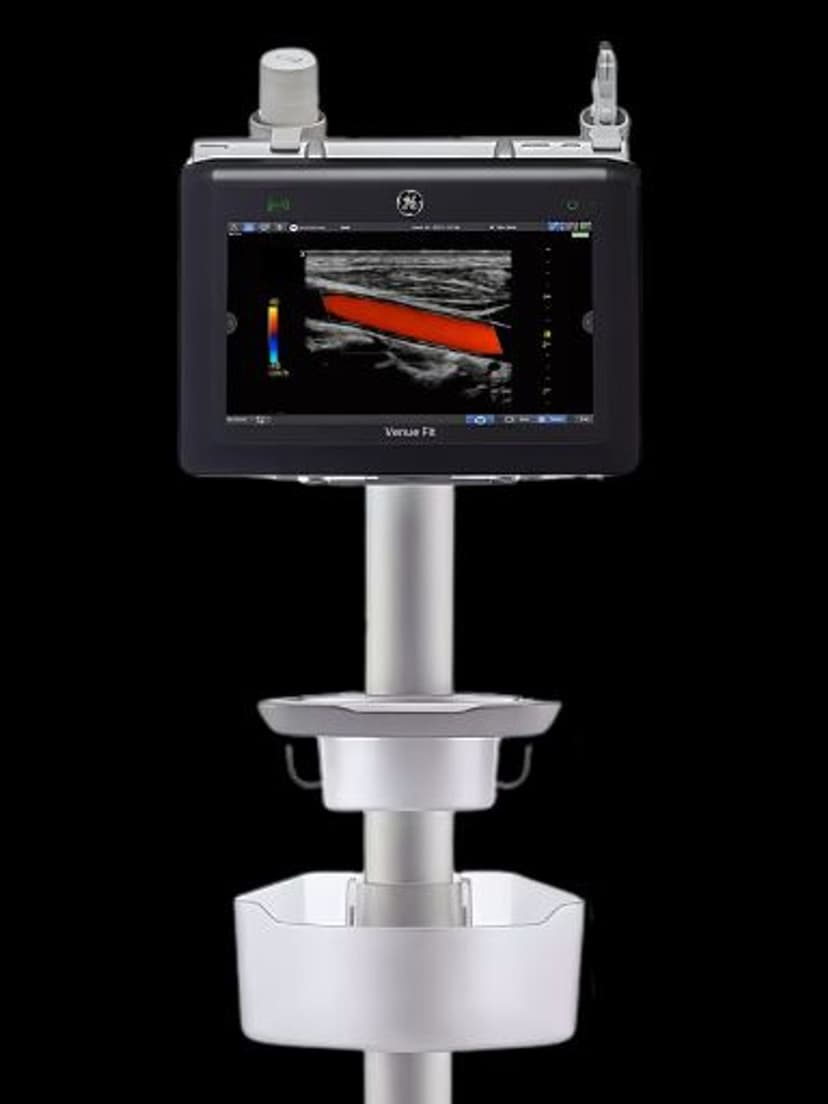
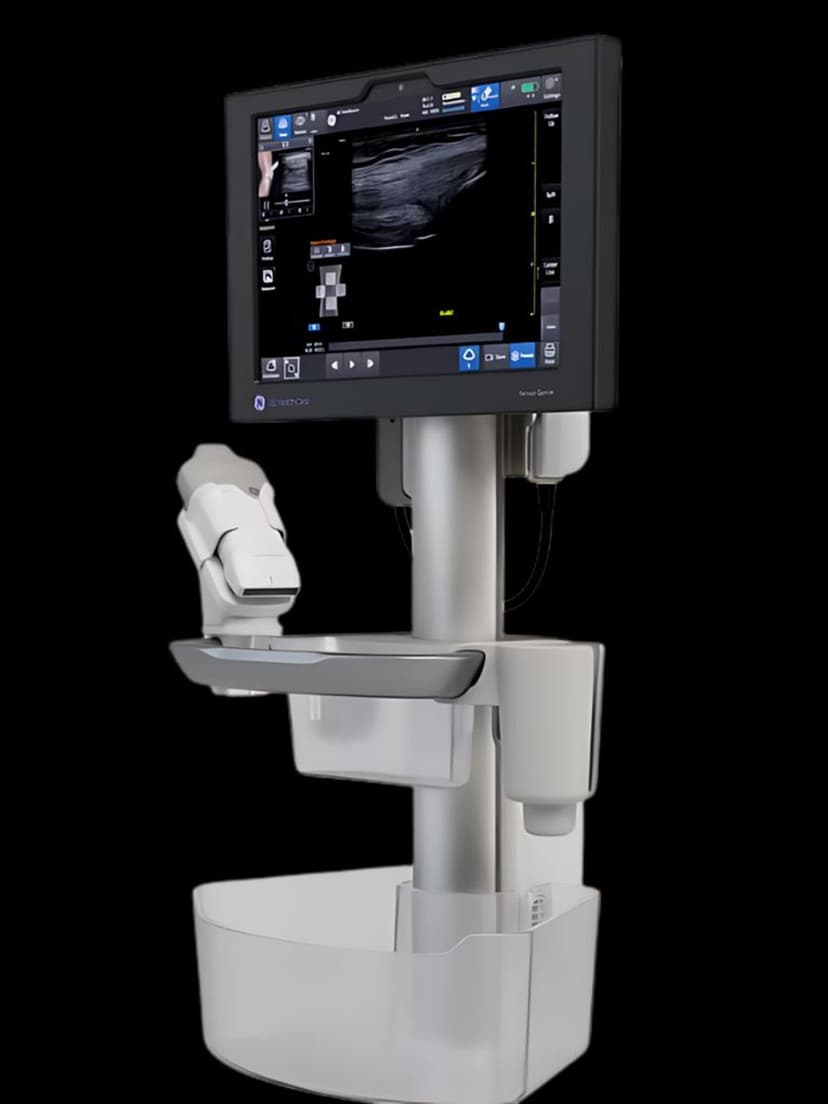
Available on these systems
Our Partners


















Want Auto IVC in your practice?
Request a quote for a system that includes this feature.