
GE Ultrasound Feature
Auto VTI
AI & AutomationAuto VTI automates the measurement of velocity time integral at the left ventricular outflow tract (LVOT), giving clinicians stroke volume and cardiac output values in seconds rather than minutes. The tool captures Doppler waveforms, traces the spectral envelope, and calculates VTI automatically, removing the manual steps that slow down bedside hemodynamic assessment. Built for critical care, emergency, and perioperative settings where rapid fluid responsiveness decisions depend on accurate, repeatable stroke volume data. Auto VTI works without ECG gating, so measurements happen faster in high-acuity environments where electrode placement adds time.

Key Benefits
Why Auto VTI matters
Up to 82% faster stroke volume assessment
Auto VTI eliminates manual waveform tracing and calculation steps, reducing the time from probe placement to stroke volume result. In resuscitation scenarios, that speed translates to earlier fluid responsiveness decisions.
Continuous trending without ECG electrodes
The system tracks stroke volume across sequential beats and displays trend data in real time. No ECG gating is required, so monitoring starts the moment the probe is positioned, even on patients with arrhythmias or limited access for electrode placement.
90% fewer keystrokes per measurement
Automated waveform detection and tracing remove nearly all manual input from the VTI workflow. This reduces inter-operator variability and keeps measurements consistent whether a seasoned intensivist or a rotating resident performs the exam.
Built-in quality feedback for reliable acquisitions
A quality indicator overlays the live image, guiding the operator to optimize probe angle and positioning before the automated measurement runs. This on-screen coaching helps less experienced users achieve diagnostic-quality VTI traces on the first attempt, reducing repeat acquisitions.
About Auto VTI
Auto VTI targets the apical five-chamber view, where the system identifies the LVOT Doppler waveform and traces the spectral envelope to derive the velocity time integral. Combined with the LVOT diameter, the software calculates stroke volume per beat and cardiac output per minute. Trending displays show stroke volume changes over sequential beats, giving clinicians a visual read on fluid responsiveness during resuscitation or passive leg raise maneuvers. GE reports up to 82% time savings and a 90% reduction in keystrokes compared to manual VTI measurement. The quality indicator overlay guides probe positioning to maximize signal quality before the automated trace runs. Because the measurement bypasses ECG synchronization, it works reliably on patients with arrhythmias or when electrode application would delay assessment. Auto VTI is designed specifically for point-of-care hemodynamic monitoring, where speed and reproducibility directly affect treatment decisions.
Availability
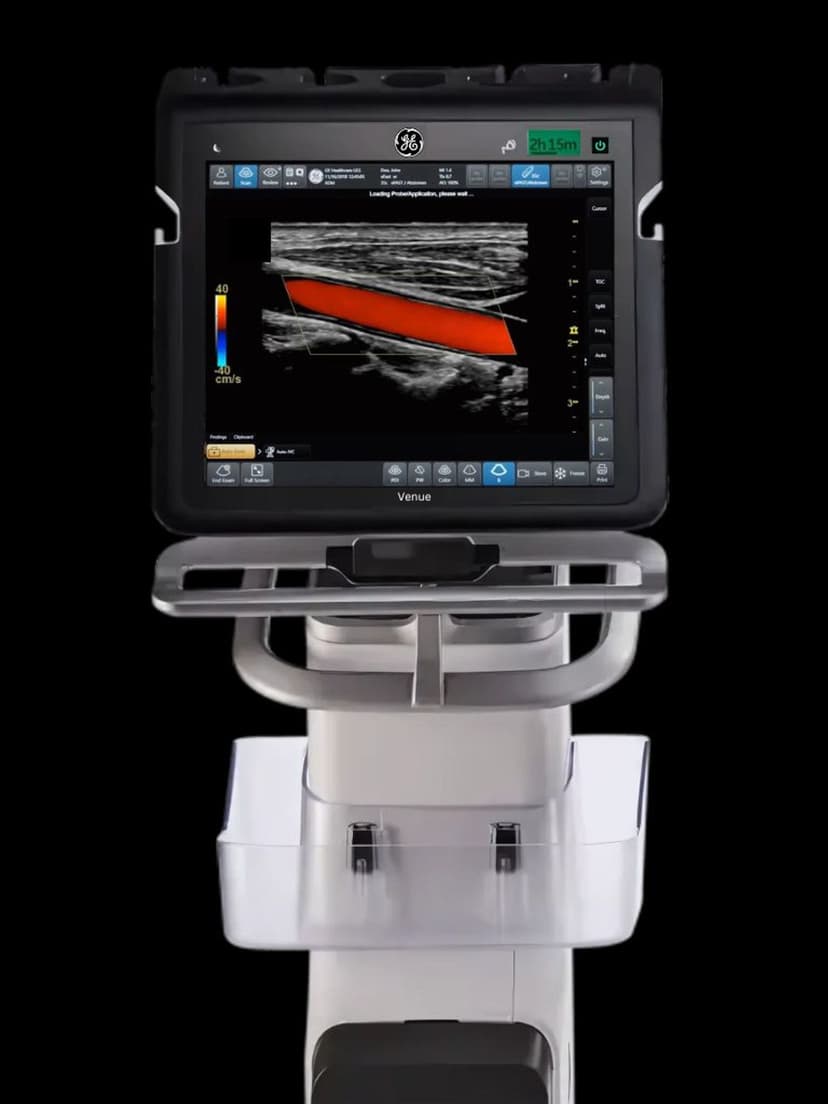
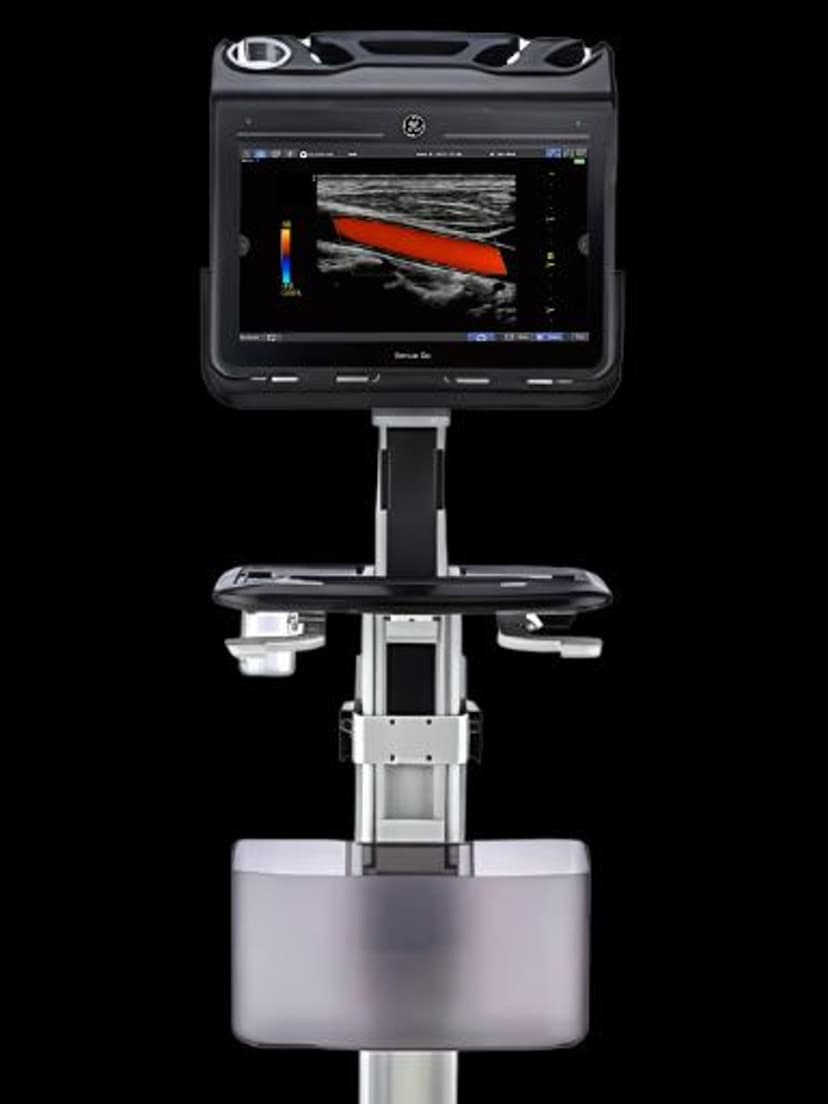
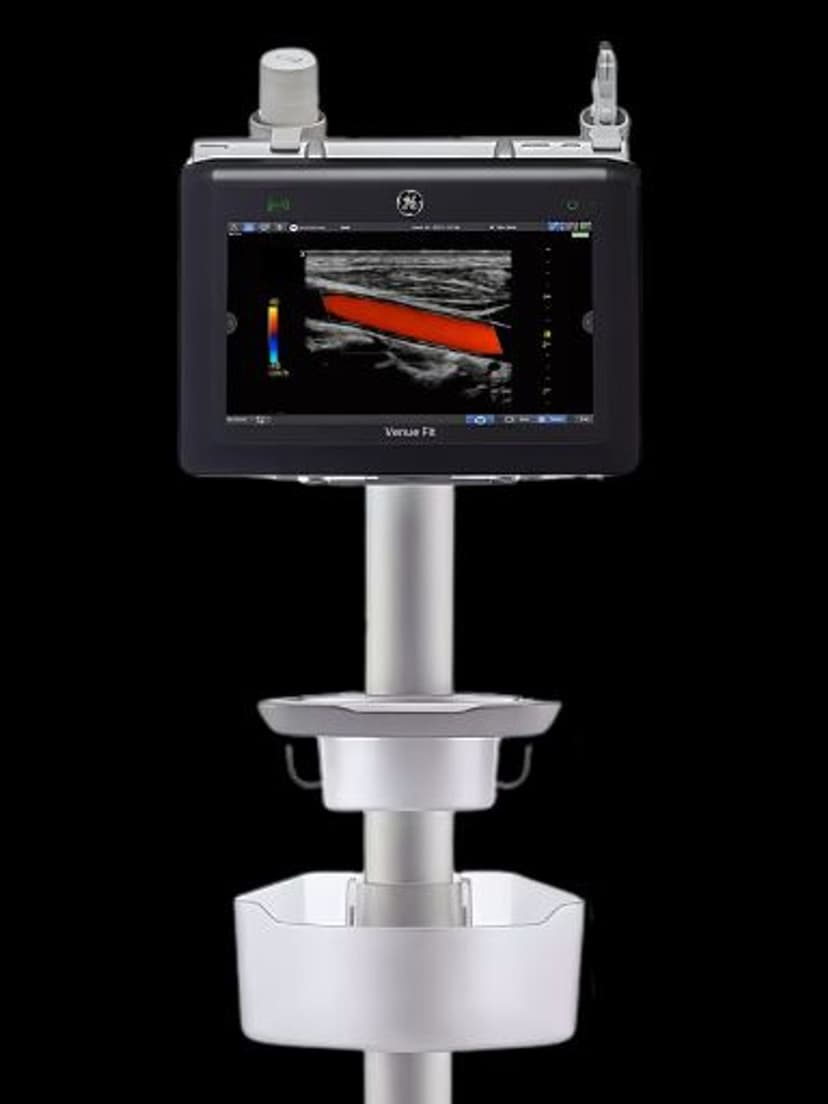
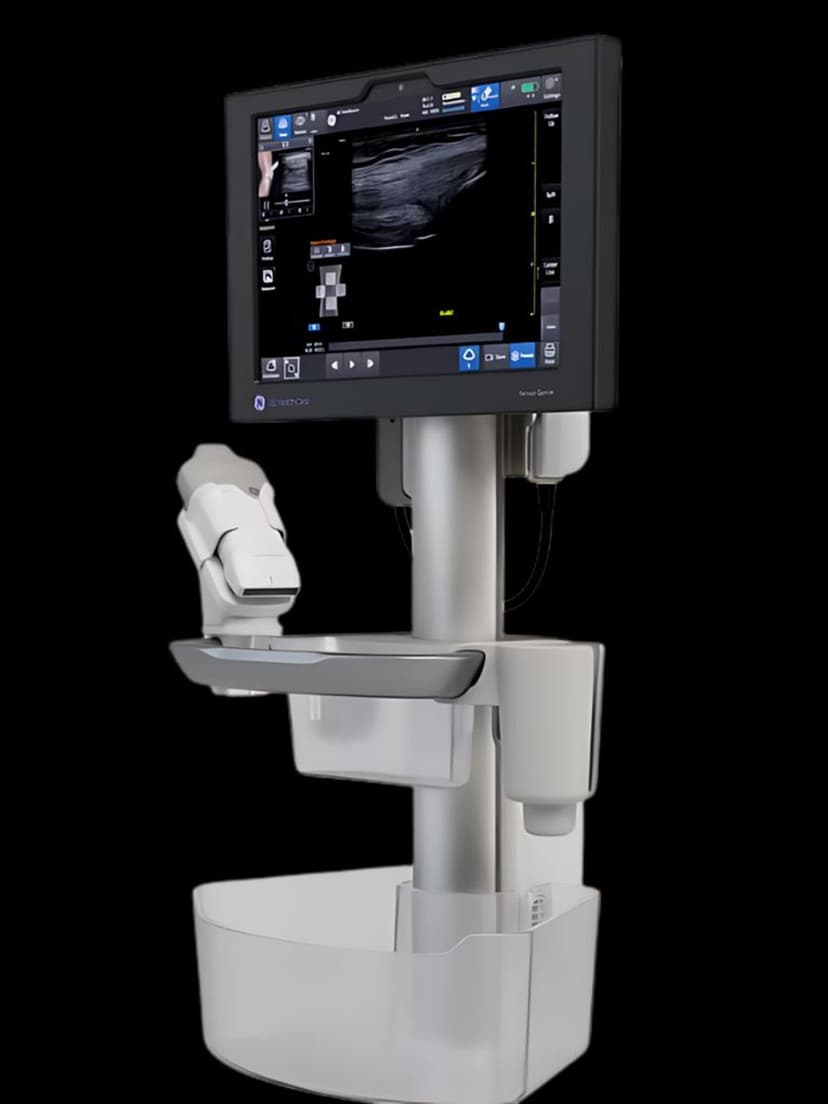
Available on these systems
Our Partners


















Want Auto VTI in your practice?
Request a quote for a system that includes this feature.