
GE Ultrasound Feature
Catheter to Vessel %
InterventionalCatheter to Vessel % measures the ratio between a selected catheter's outer diameter and the target vessel's inner diameter during ultrasound-guided procedures. Clinical guidelines recommend that the catheter should occupy no more than 33–45% of the vessel lumen to minimize thrombosis risk. This tool automates that calculation in real time, displaying the ratio on-screen so clinicians can confirm proper catheter sizing before insertion. It is particularly valuable during PICC line placement, central venous catheter insertion, and other vascular access procedures where catheter-vessel mismatch increases complication rates.

Key Benefits
Why Catheter to Vessel % matters
Reduced catheter-related thrombosis risk
Automated ratio calculation keeps the catheter-to-vessel percentage within guideline-recommended limits. Proper sizing is one of the most controllable factors in preventing catheter-related DVT.
Objective catheter selection instead of visual estimation
Replaces subjective visual assessment with a precise on-screen percentage. This removes operator guesswork and provides documented evidence that catheter sizing followed clinical guidelines.
Real-time feedback before catheter insertion
The ratio displays immediately after vessel measurement, giving the clinician the information needed to confirm or change catheter size before the procedure begins.
Documentation support for quality and compliance programs
The calculated ratio can be captured in the exam record, providing objective evidence of guideline-compliant catheter selection. This supports vascular access team quality metrics and institutional compliance programs.
About Catheter to Vessel %
Catheter-related thrombosis is a known complication of vascular access, and one of the primary risk factors is an oversized catheter relative to the vessel. The Infusion Nurses Society and other clinical guidelines specify that the catheter should occupy no more than 33–45% of the vessel diameter. Manually estimating this ratio from ultrasound images is imprecise and time-consuming. Catheter to Vessel % automates the process: the clinician measures the vessel diameter using the on-screen calipers, selects the intended catheter size, and the system calculates and displays the percentage. If the ratio exceeds the recommended threshold, the clinician can choose a smaller catheter before the procedure begins. This real-time feedback loop reduces the incidence of catheter-related deep vein thrombosis, which affects patient outcomes and adds cost through extended treatment and monitoring. The tool integrates into the standard ultrasound-guided vascular access workflow without adding significant time to the procedure.
Availability
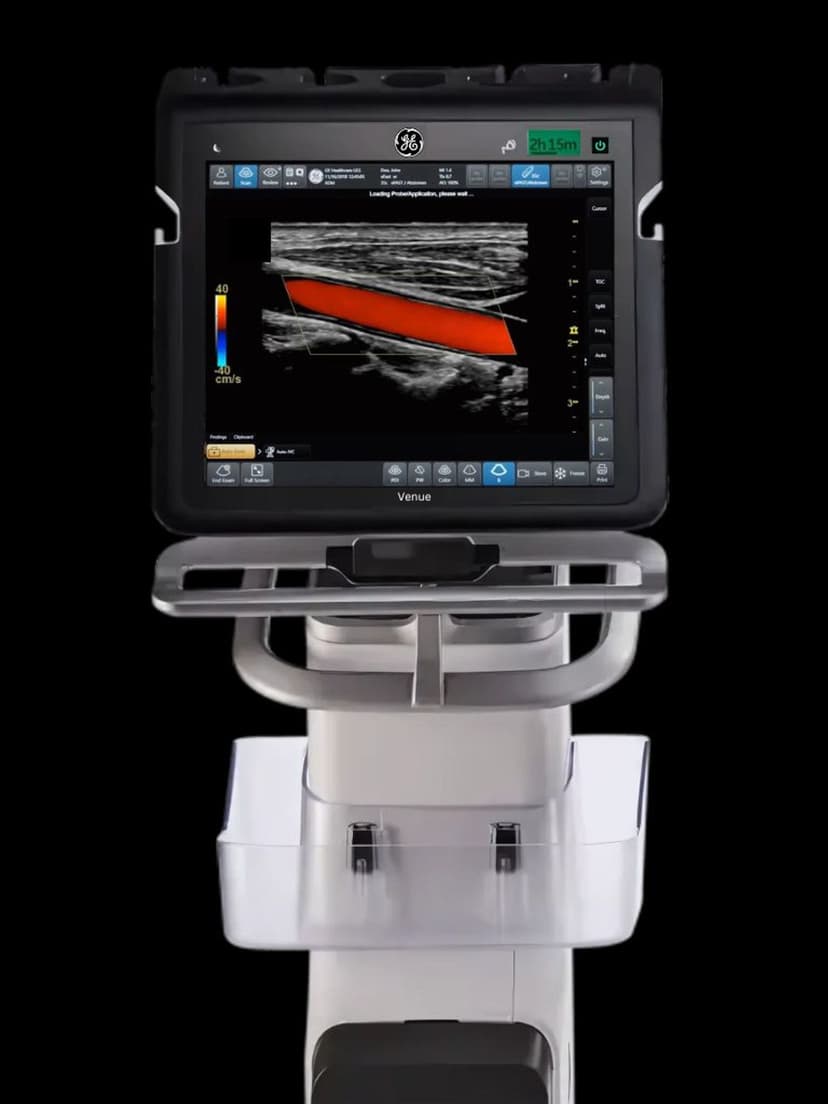
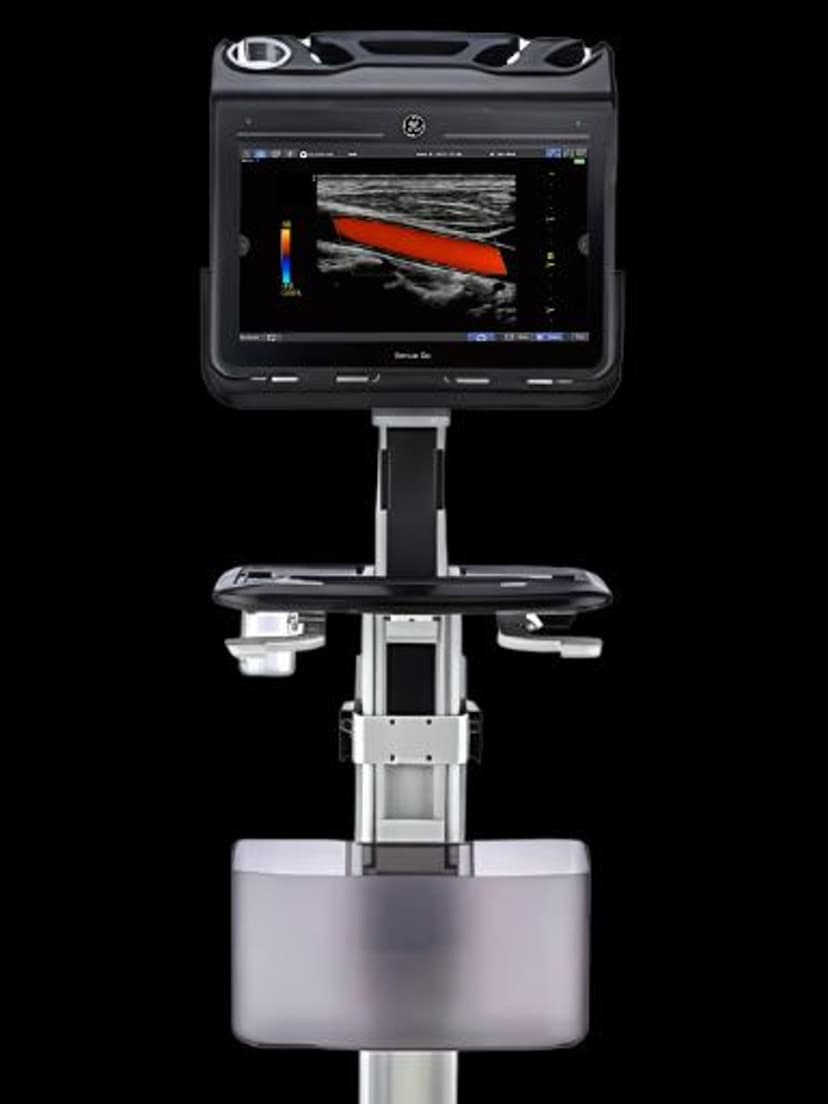
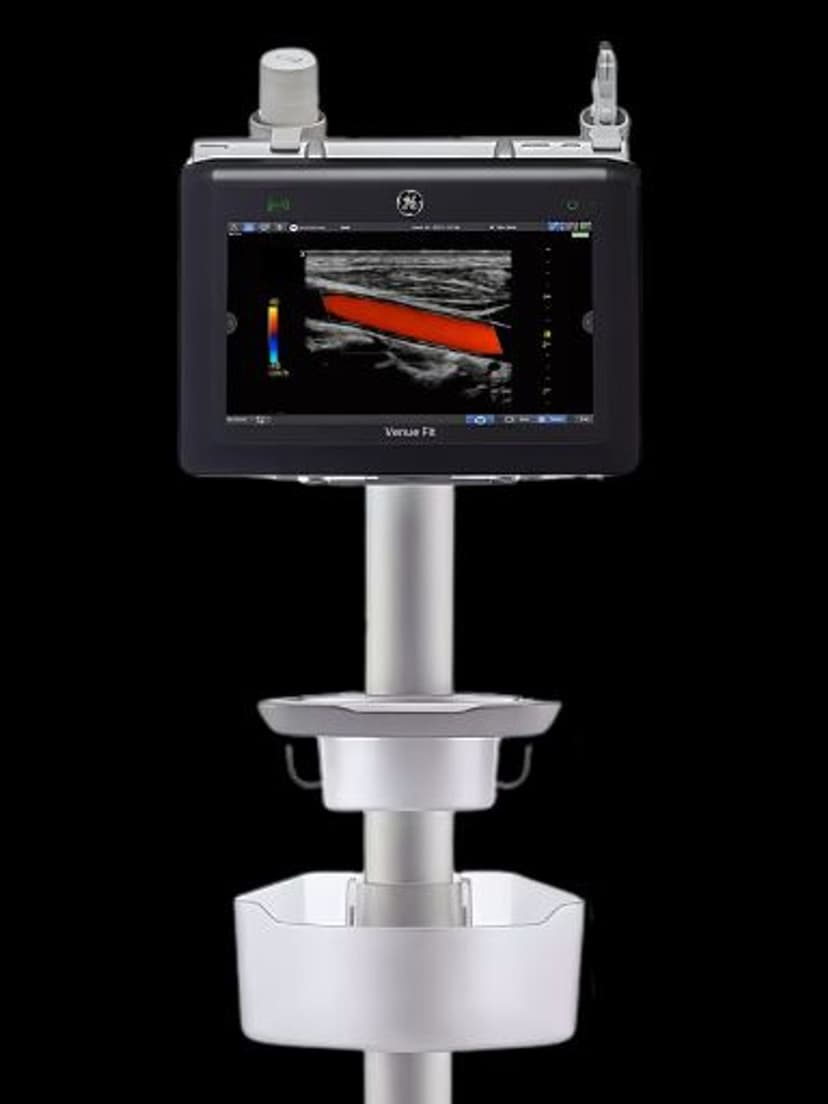
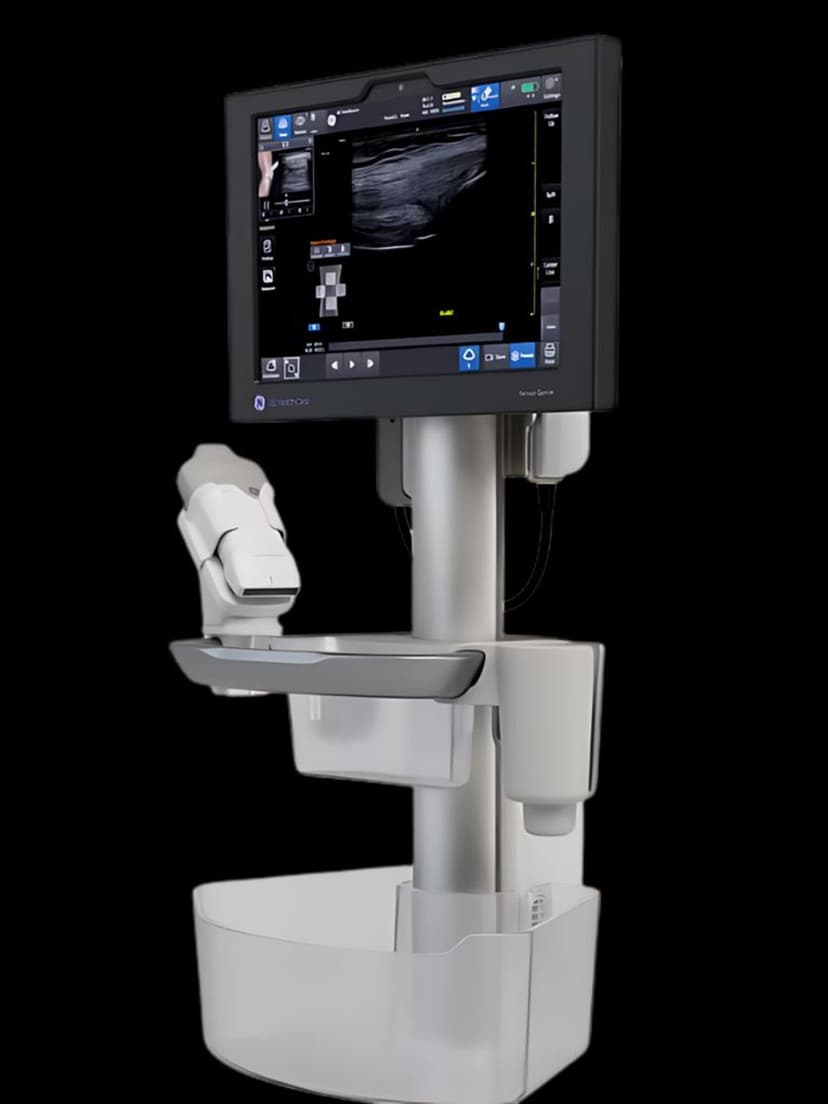
Available on these systems
Our Partners


















Want Catheter to Vessel % in your practice?
Request a quote for a system that includes this feature.