
GE Ultrasound Feature
Contrast Enhanced
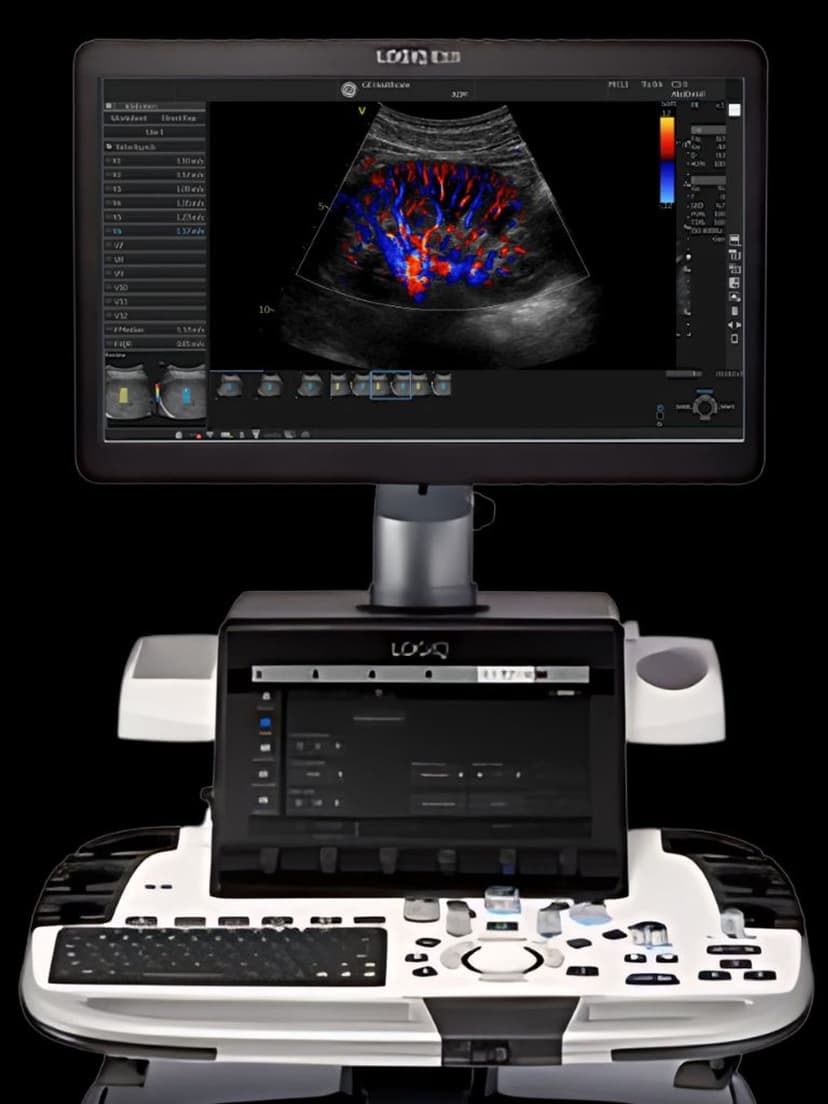
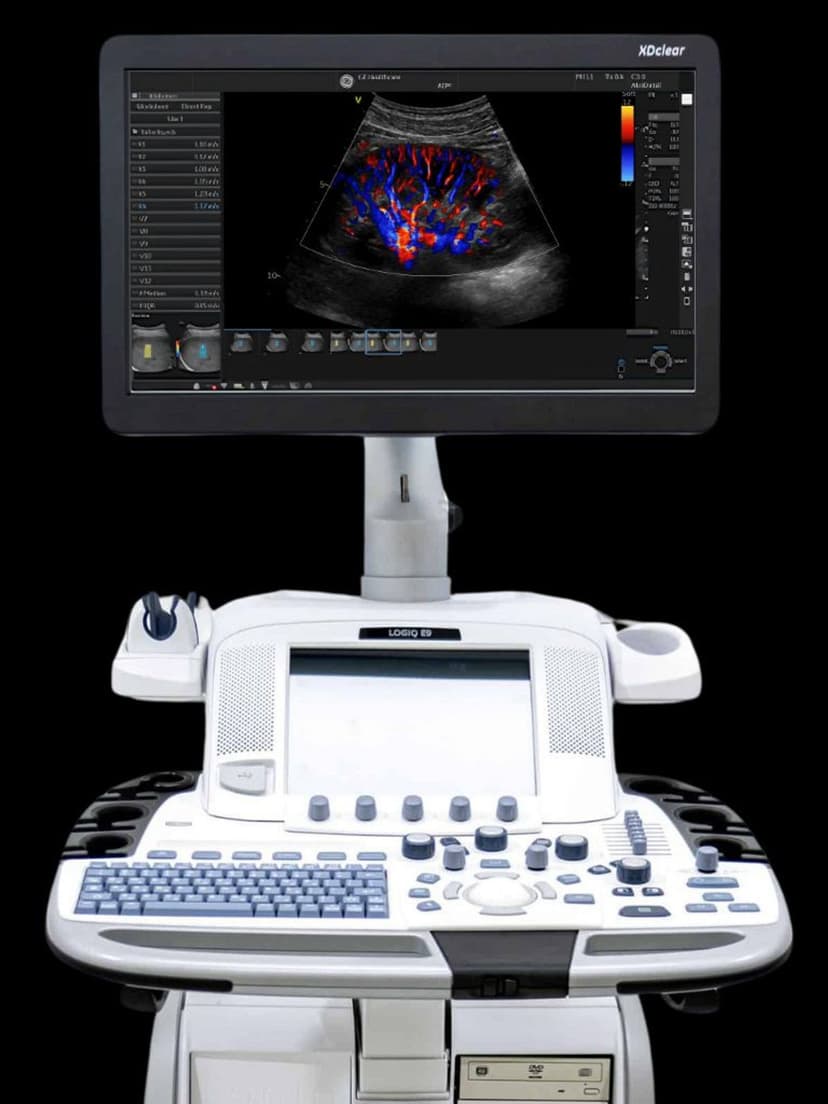
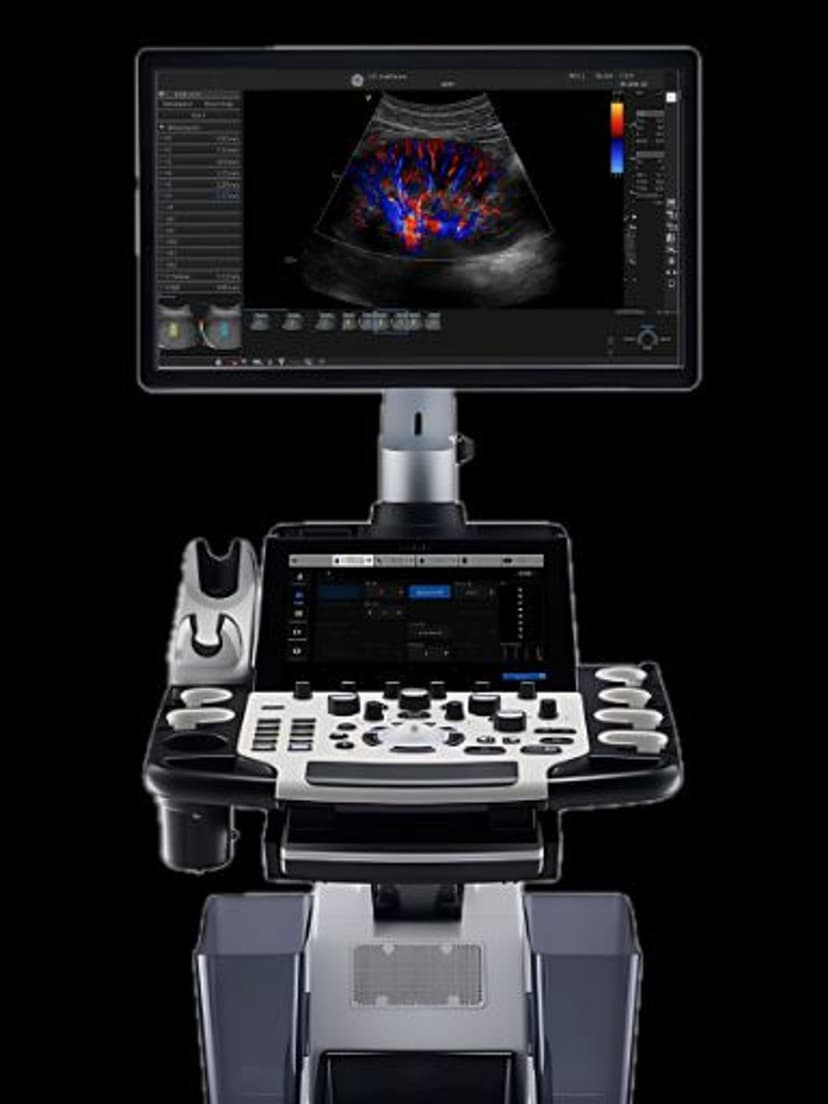
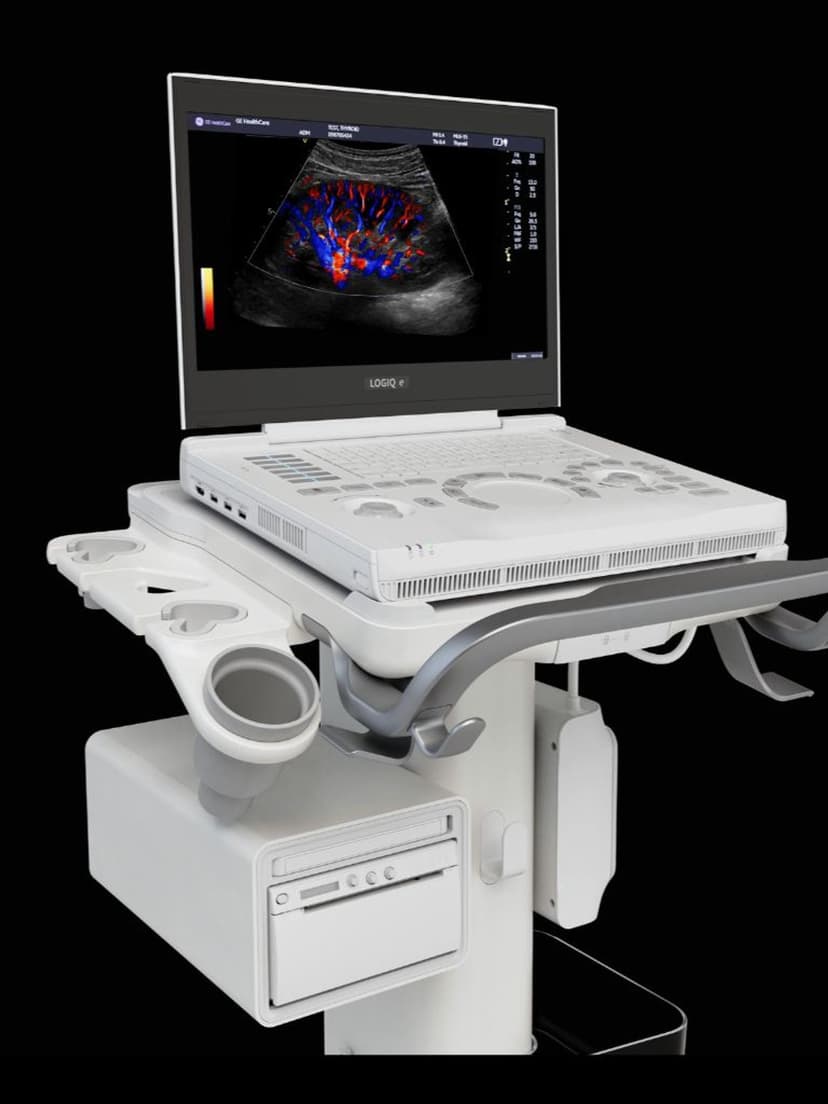
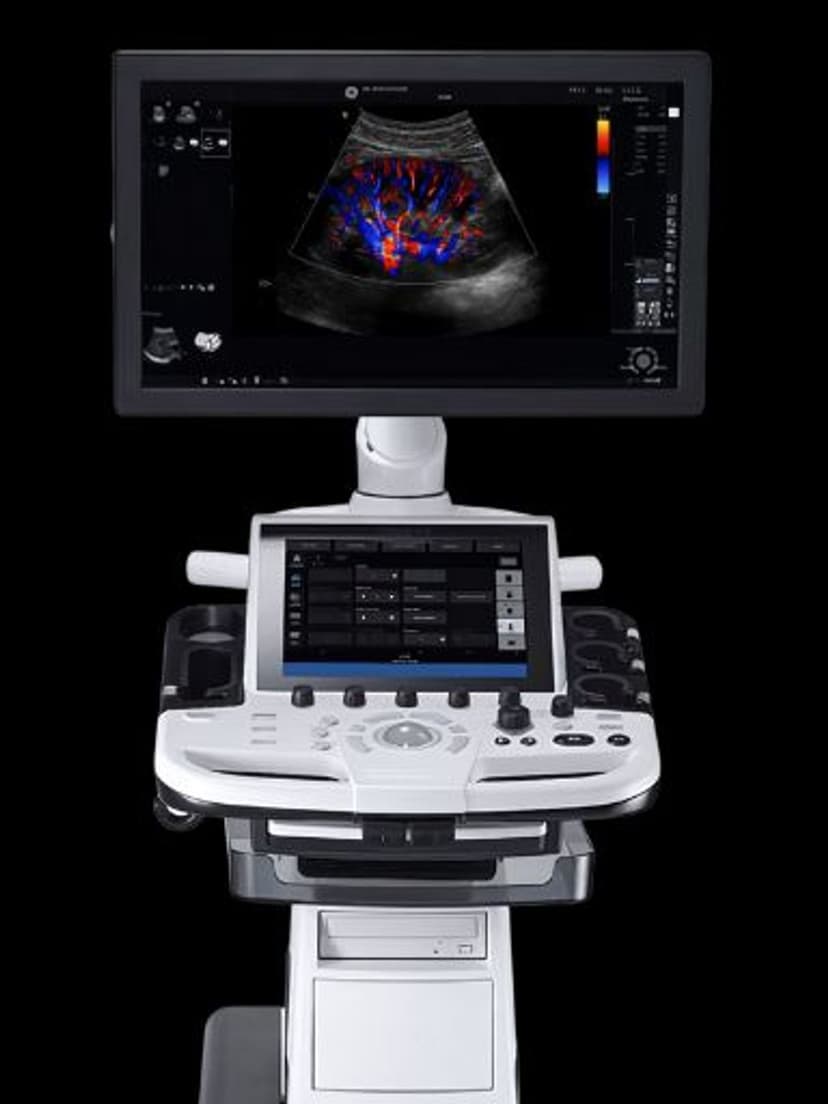
ContrastContrast Enhanced Ultrasound (CEUS) uses injected microbubble contrast agents to visualize blood flow and organ perfusion in real time. The ultrasound machine employs contrast-specific imaging modes with low mechanical index, pulse inversion, or amplitude modulation to selectively amplify the microbubble signal while suppressing tissue echoes. CEUS is used primarily for liver lesion characterization, kidney perfusion assessment, and vascular imaging. It provides a radiation-free, bedside alternative to CT and MRI contrast studies with the advantage of continuous real-time observation of contrast wash-in and wash-out dynamics.

Key Benefits
Why Contrast Enhanced matters
Real-time perfusion imaging at the bedside
CEUS provides continuous visualization of contrast wash-in and wash-out as it happens. Clinicians observe the full dynamic enhancement pattern rather than relying on single time-point snapshots, which improves lesion characterization accuracy.
Radiation-free alternative to CT contrast
Microbubble agents are purely acoustic and involve no ionizing radiation. For patients requiring serial follow-up imaging or those with radiation exposure concerns, CEUS offers a safe monitoring option without cumulative dose.
Safe for patients with renal insufficiency
Unlike iodinated CT contrast and gadolinium MRI contrast, microbubble agents are not nephrotoxic and do not require kidney function testing. This makes CEUS available to patients with chronic kidney disease who cannot safely receive other contrast agents.
Liver lesion characterization without additional imaging
CEUS can differentiate benign from malignant liver lesions based on vascular enhancement patterns. In many cases, CEUS provides a definitive characterization that avoids the need for a follow-up CT or MRI, reducing time to diagnosis and healthcare costs.
About Contrast Enhanced
Microbubble contrast agents are gas-filled microspheres with a lipid or protein shell, typically 1–10 micrometers in diameter. When injected intravenously, they remain in the vascular space and resonate at diagnostic ultrasound frequencies, producing a strong acoustic signal. The ultrasound machine uses contrast-specific pulse sequences that exploit the nonlinear oscillation of microbubbles to separate their signal from surrounding tissue echoes. This allows real-time visualization of vascular anatomy and tissue perfusion that is invisible on standard B-mode or Doppler imaging. In liver imaging, CEUS enables characterization of focal lesions based on their enhancement patterns during arterial, portal venous, and late phases. Specific wash-in and wash-out patterns help differentiate benign lesions like hemangiomas and focal nodular hyperplasia from malignant lesions like hepatocellular carcinoma and metastases. Unlike CT contrast, microbubbles are not nephrotoxic and do not require kidney function testing before administration, making CEUS accessible to patients with renal insufficiency. The real-time nature of CEUS allows continuous observation of contrast dynamics rather than the single time-point snapshots obtained with CT or MRI.
Our Partners

















Want Contrast Enhanced in your practice?
Request a quote for a system that includes this feature.