
GE Ultrasound Feature
cSound 2.0
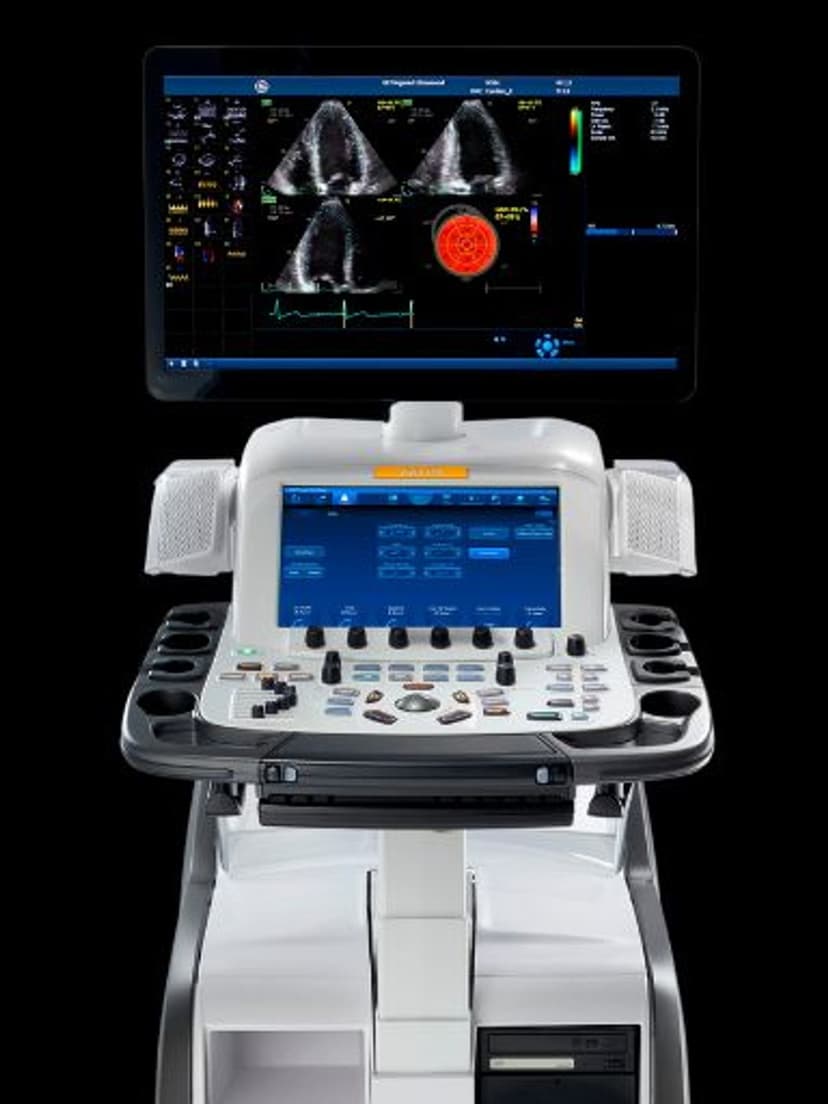
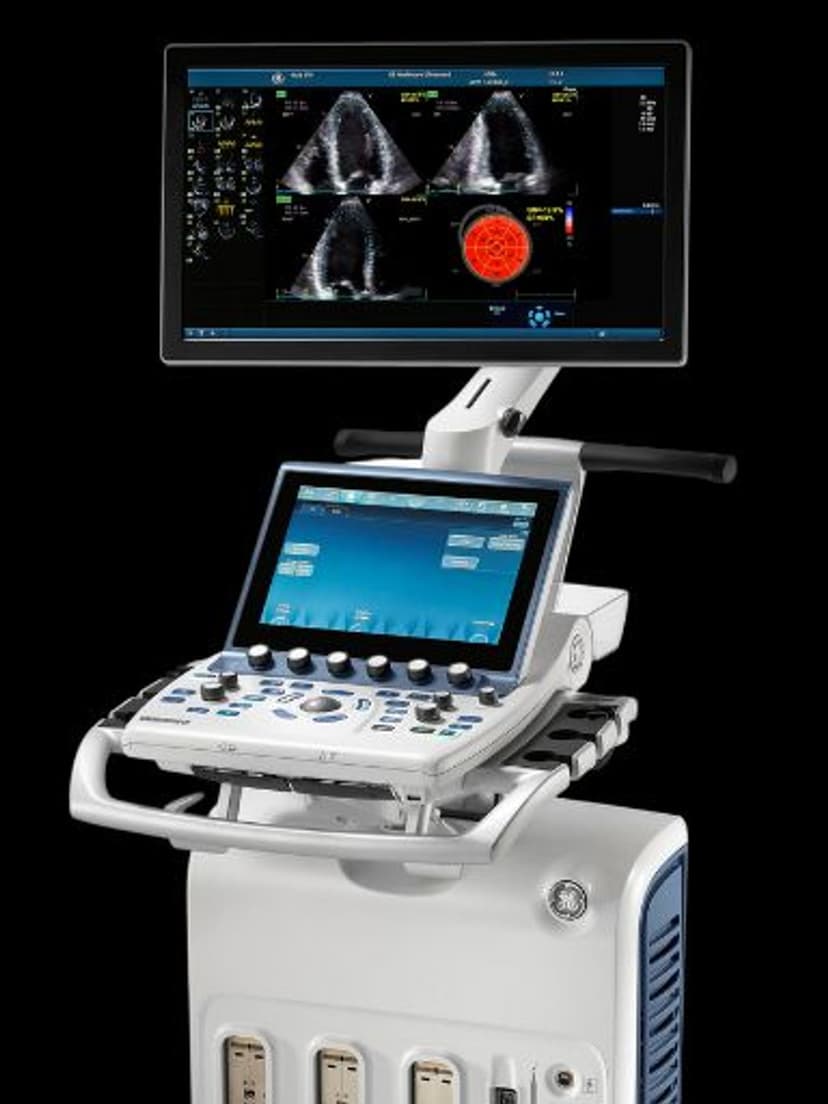
Imaging TechnologycSound 2.0 is GE's second-generation software-defined beamforming architecture. Unlike conventional ultrasound machines that rely on fixed hardware beamformers with a limited number of processing channels, cSound 2.0 uses software algorithms running on high-speed processors to reconstruct images from raw acoustic data. This approach processes significantly more data points per frame, producing images with finer spatial resolution, improved contrast, and fewer artifacts. On the Vivid E95 and Vivid S70, cSound 2.0 supports both 2D and 3D acquisitions with higher frame rates than the original cSound platform, which directly benefits cardiac imaging where temporal resolution determines diagnostic quality.

Key Benefits
Why cSound 2.0 matters
Uniform focus across the full imaging depth
TCI and ACE algorithms eliminate the focal zone tradeoff that forces operators to choose between near-field and far-field resolution. cSound 2.0 delivers consistent image sharpness from the skin surface to maximum depth without manual focus adjustments.
Higher frame rates for cardiac temporal resolution
The increased processing throughput of cSound 2.0 supports higher frame rates on the Vivid E95, capturing fast valve motion and wall dynamics with less motion blur. This improves measurement accuracy for ejection fraction, strain, and valve assessment.
Better penetration without sacrificing resolution
Software beamforming extracts more information from each transmit pulse, improving image quality in technically difficult patients with high BMI or deep anatomy.
Software-upgradable architecture protects your investment
Because image processing runs on software rather than fixed hardware, GE can deliver imaging improvements and new capabilities through software updates. This extends the diagnostic life of a cSound 2.0 system beyond what hardware-dependent platforms can offer.
About cSound 2.0
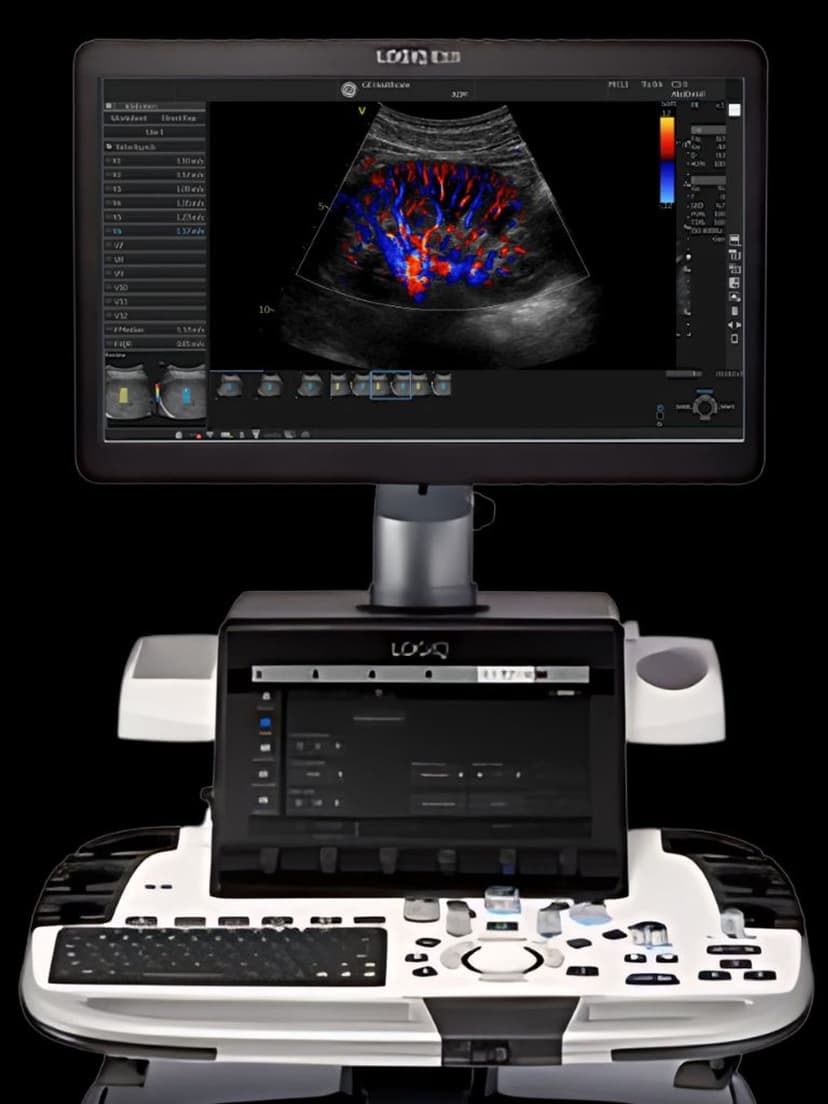
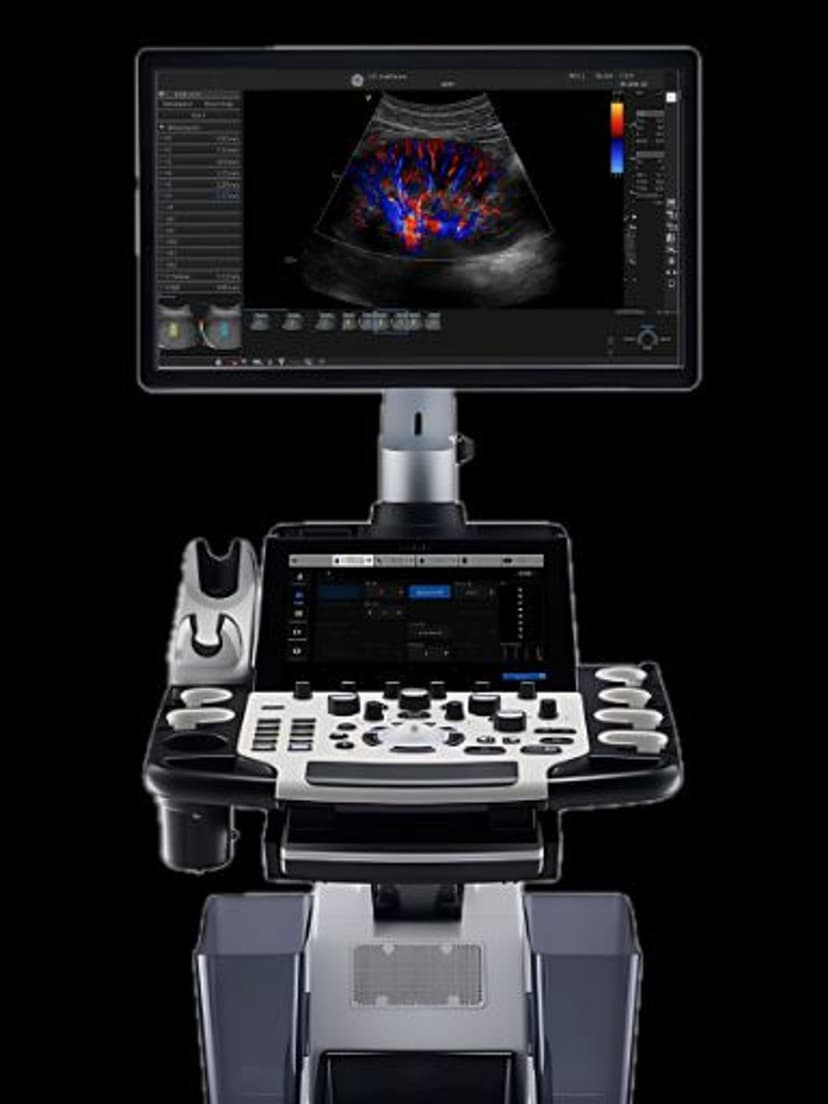
Conventional beamformers rely on a fixed hardware channel count and focused transmit lines, so image sharpness varies with depth and focal-zone placement. cSound 2.0 moves beamforming into software and processes far more raw channel data than a traditional architecture. GE pairs that platform with Transmit Confidence Imaging (TCI), which uses data from every transmit event, and Acoustic Confidence Enhancement (ACE), which weights signals by data quality before image formation. The result is more uniform focusing from near to far field, with less dependence on manual focal-zone adjustment. The second-generation implementation increases processing throughput, which helps preserve frame rate while maintaining higher image quality. On Vivid systems, that translates to clearer endocardial borders, sharper valve detail, and more consistent visualization in technically difficult patients.
Our Partners


















Want cSound 2.0 in your practice?
Request a quote for a system that includes this feature.