
GE Ultrasound Feature
Follow-Up Tool
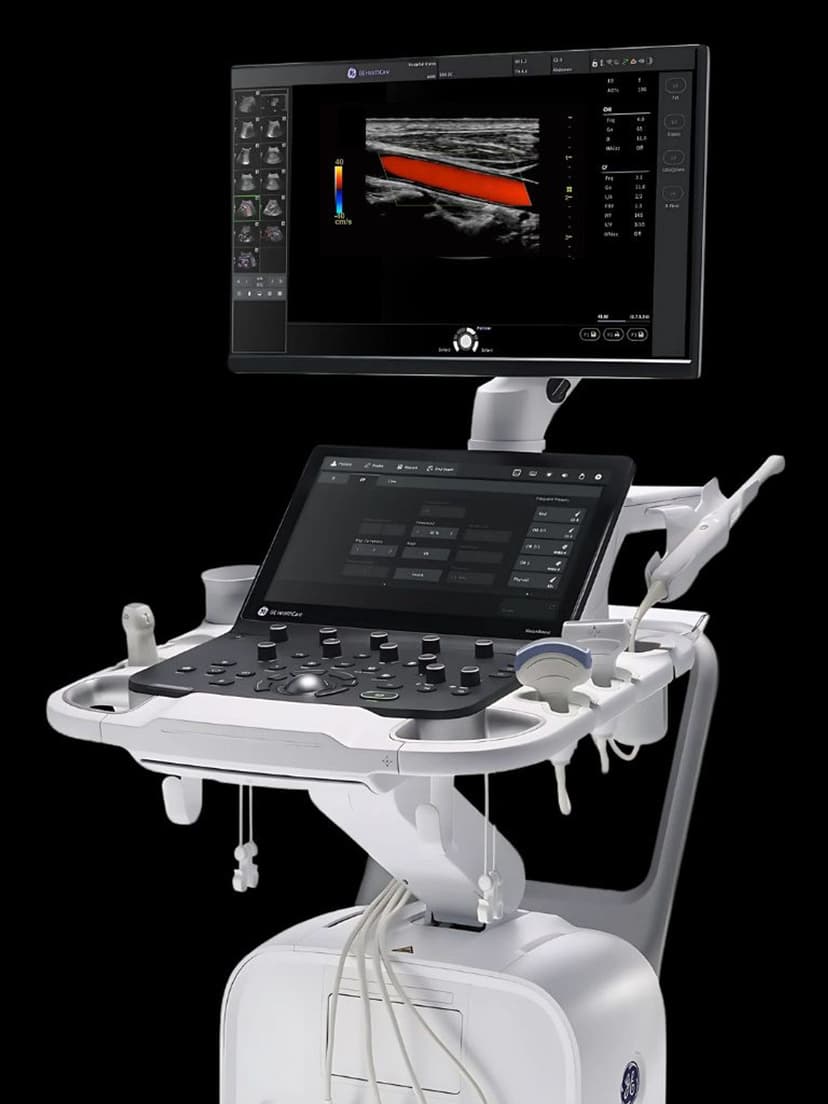
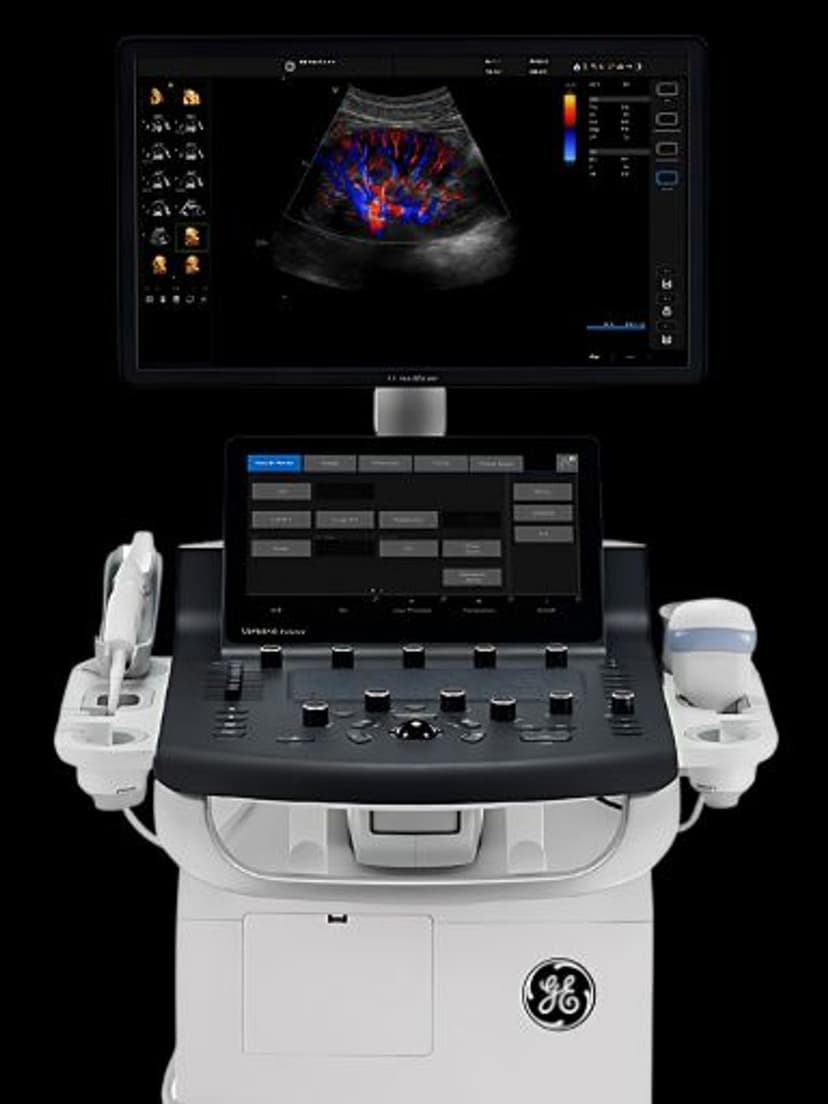
WorkflowThe Follow-Up Tool retrieves the probe settings, depth, frequency, gain, and imaging parameters used in a patient's prior ultrasound exam and applies them to the current scan automatically. This eliminates the manual work of matching previous exam conditions and ensures that differences between images reflect actual clinical change rather than inconsistent technique. Current and previous images display side by side on screen, giving the clinician an immediate visual comparison. The tool is used in radiology, cardiology, and oncology follow-ups where tracking lesion size, organ dimensions, or disease progression over serial exams requires reproducible imaging conditions.

Key Benefits
Why Follow-Up Tool matters
Automatic recall of prior exam settings
The system retrieves probe, depth, gain, and frequency settings from the patient's previous study and applies them without manual input. This eliminates the guesswork of trying to replicate prior imaging conditions and saves setup time at the start of every follow-up exam.
Side-by-side comparison on a single display
Previous and current images appear next to each other in real time. The clinician can assess changes in lesion size, organ dimensions, or fluid collections without toggling between archived studies and the live scan.
Clinical conclusions based on patient change, not technique variation
When imaging parameters differ between exams, apparent changes in measurements may reflect technique rather than pathology. The Follow-Up Tool controls for this variable, so a reported change in nodule size is more likely to represent real growth.
Faster exam setup for serial monitoring protocols
Oncology and radiology departments that schedule routine surveillance ultrasounds, such as thyroid nodule monitoring every 6 months, spend less time on each follow-up because the system handles parameter matching. Over dozens of follow-ups per week, this adds up to meaningful time savings.
About Follow-Up Tool
When a follow-up exam is initiated, the system pulls the stored imaging parameters from the patient's most recent prior study. This includes probe selection, frequency, depth setting, gain levels, and any imaging mode configurations used during the original scan. By automatically applying these parameters, the Follow-Up Tool removes one of the most common sources of variability in serial ultrasound studies: different operators using different settings on different days. The side-by-side display allows the clinician to compare specific regions of interest between exams without switching between archived and live images. This is particularly valuable for monitoring thyroid nodules, liver lesions, lymph nodes, and other structures where millimeter-level changes over months may drive clinical decisions. In cardiology, the tool supports follow-up echocardiograms where chamber dimensions and wall motion need to be compared under consistent imaging conditions. The automated parameter recall also speeds up the exam setup phase, since the sonographer does not need to manually look up and replicate the prior scan's settings.
Our Partners

















Want Follow-Up Tool in your practice?
Request a quote for a system that includes this feature.