
GE Ultrasound Feature
Mobile Interface
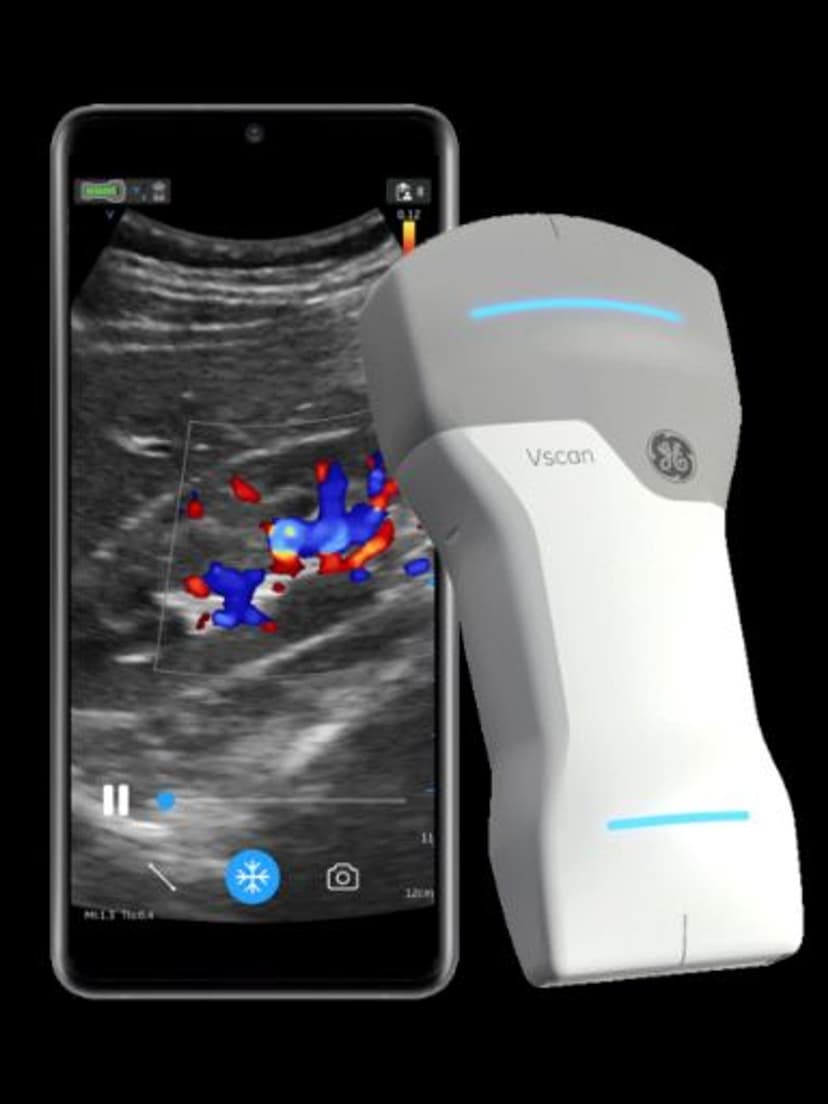
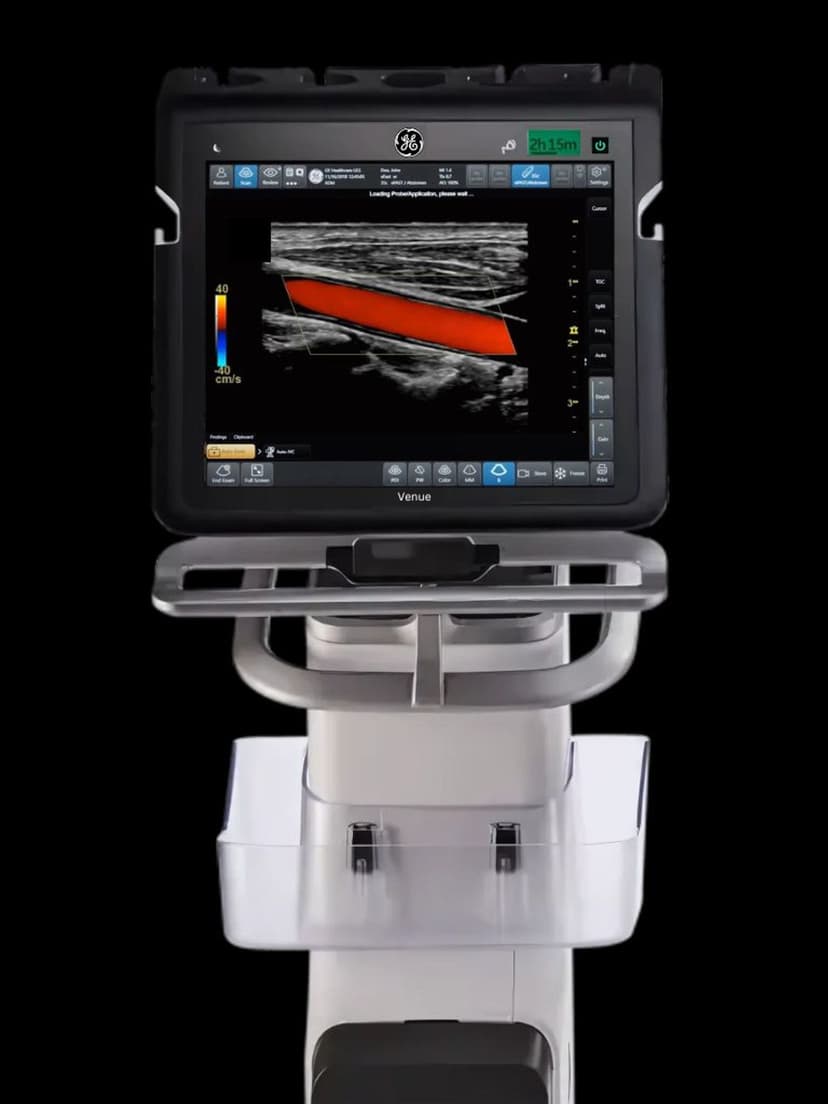
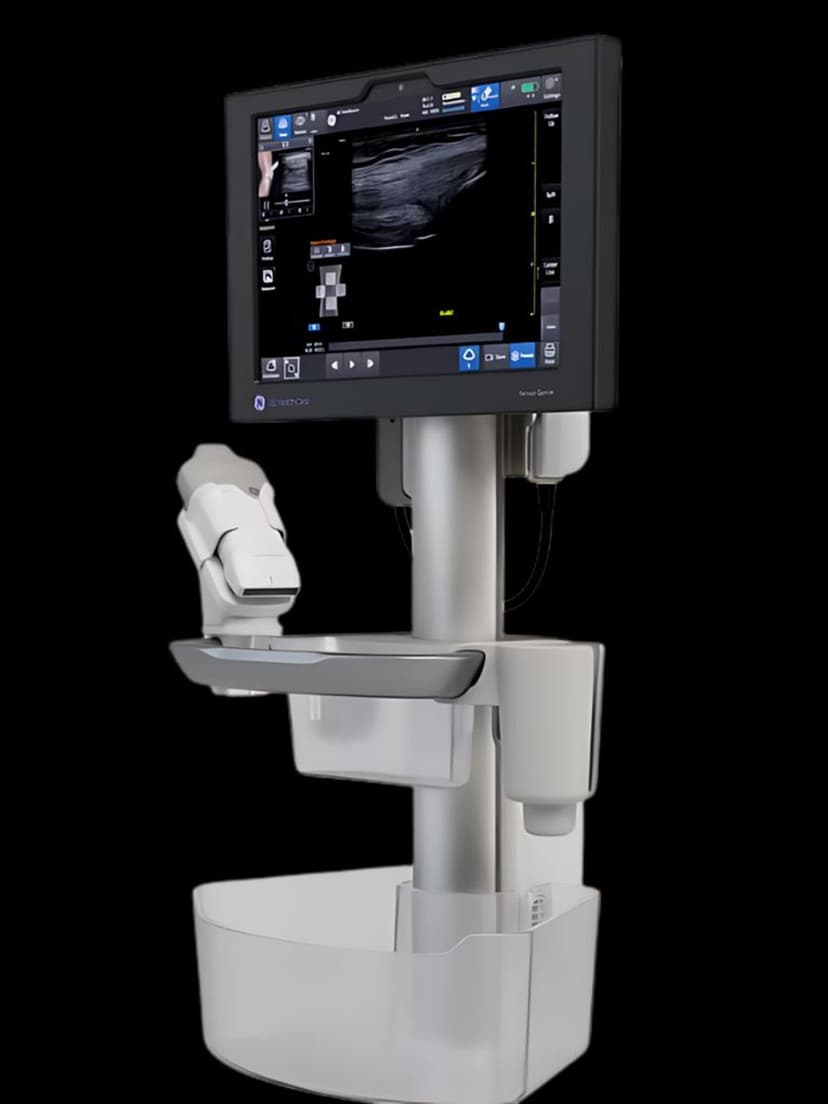
WorkflowMobile Interface describes the family of touch-first control paradigms GE uses on its point-of-care and handheld systems, where the primary display and input surface is a consumer device rather than a dedicated console panel. On the Vscan Air, a paired smartphone or tablet runs the actual ultrasound app; the probe is just the imaging element. On the Venue family, the built-in touchscreen uses the same swipe-and-tap gestures clinicians already know from their phones. The common thread is that new users don't need classroom training on trackballs, function keys, or dedicated knob layouts before they can capture a diagnostic image at the bedside.

Key Benefits
Why Mobile Interface matters
Turns a first-ever scan into an interpretable image
Clinicians who have never operated a cart ultrasound machine can produce diagnostic bedside views on their first try because the gestures match a phone camera app. The gap between 'I've never used one of these' and 'I have a usable image' collapses from hours of orientation to minutes of trial.
Converts capital expense into a probe purchase
On Vscan Air, the display, battery, and processing all live on the clinician's personal iPhone or Android tablet. Hospitals buy the probe; they don't also buy a screen, a charger, and a second asset for biomed to track.
Cuts inter-patient cleaning to a single wipe
A sealed glass touchscreen on Venue systems or a phone on Vscan Air disinfects in one pass. Trackballs, keycaps, and rotary encoders on cart consoles collect soil in seams that only come clean with a cotton swab.
Standardizes the learning curve across every Venue in the fleet
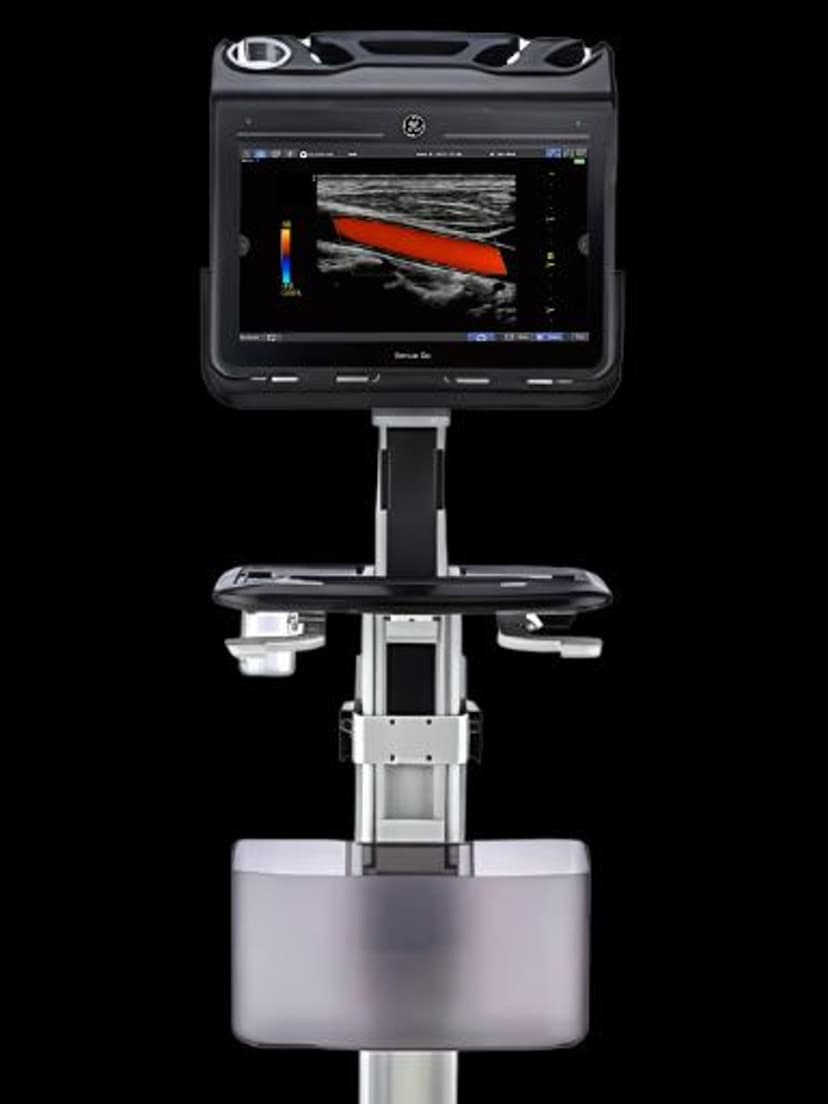
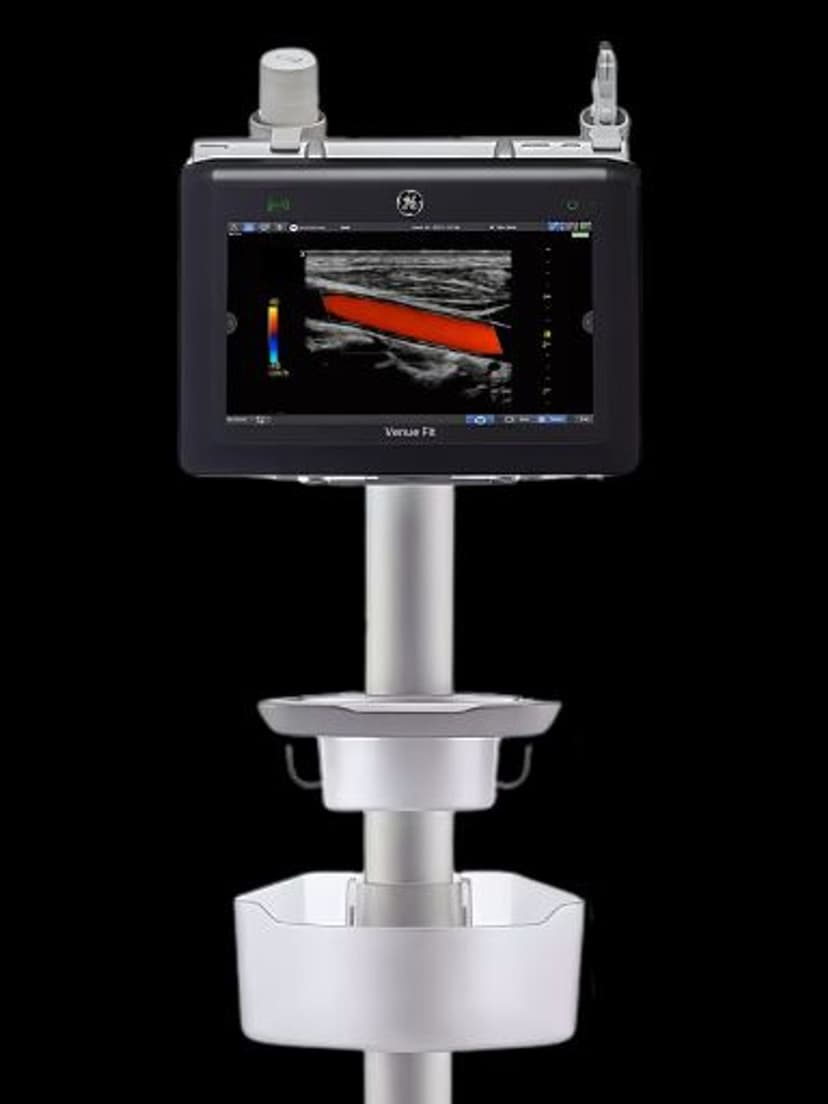
A nurse trained on Venue Go can pick up Venue Fit, Venue Sprint, or the Venue base the same day. The gesture grammar and menu structure are identical, so staff rotation between departments doesn't require re-orientation sessions.
About Mobile Interface
The paradigm matters most when the person holding the probe is not a dedicated sonographer. GE implements it through two different hardware paths on POC systems. The Vscan Air puts the complete imaging application on the clinician's own mobile device, using the probe purely as the acoustic front end and streaming frames over a secure Wi-Fi pairing. The Venue family takes the opposite approach: a dedicated cart-mounted touchscreen running the same swipe-zoom-tap grammar as a consumer phone, with sealed glass replacing physical button panels. Both approaches preserve clinical-grade security through authenticated device pairing and keep patient data inside hospital-managed networks. Processing-intensive operations such as cine loop playback and image labeling happen locally rather than in a cloud service, which matters for departments operating under strict data residency requirements.
Our Partners


















Want Mobile Interface in your practice?
Request a quote for a system that includes this feature.