
GE Ultrasound Feature
Needle Guidance
HardwareNeedle Guidance on GE Venue systems overlays a projected needle trajectory on the live ultrasound image, showing clinicians the expected path the needle will follow based on the current probe angle and guide position. Before insertion, the trajectory line confirms alignment with the target structure. During the procedure, real-time tracking shows the needle's actual position relative to surrounding anatomy. This visual feedback reduces the number of needle passes needed to reach the target, shortens procedure time, and helps avoid structures like nerves and vessels.

Key Benefits
Why Needle Guidance matters
Confirm needle-to-target alignment before insertion
The projected trajectory line shows exactly where the needle will travel based on the current probe angle. Clinicians verify alignment with the target structure before the needle enters the patient, reducing the likelihood of off-target passes.
Reduce needle passes and procedure time
Visual trajectory feedback helps clinicians reach the target on the first or second attempt. Fewer passes mean shorter procedures, less patient discomfort, and lower risk of complications from repeated tissue punctures.
Avoid critical structures during deep procedures
The trajectory overlay shows the needle path relative to nearby nerves, vessels, and organs. Clinicians can adjust their approach angle to steer clear of structures that should not be punctured, improving procedural safety.
Build procedural confidence for less experienced operators
Fellows, residents, and clinicians new to ultrasound-guided procedures benefit from the visual confirmation that their needle angle is correct. The guidance overlay acts as a real-time teaching aid that reinforces proper technique during live procedures.
About Needle Guidance
Needle Guidance works by calculating the expected needle path based on the angle of the attached needle guide bracket and the current probe orientation. The system projects this path as a line overlay on the B-mode image, extending from the guide entry point through the tissue to the anticipated target depth. Before the needle enters the patient, the clinician can adjust probe position and angle until the trajectory line intersects the intended target. During insertion, the system provides real-time visualization of the needle shaft and tip position relative to the projected path. This is especially valuable in procedures where the target is small or deep, such as nerve blocks, joint injections, abscess drainages, and central line placements. Compared to freehand needle insertion, guided approaches reduce the average number of passes and improve first-attempt success rates. Needle Guidance complements GE's Needle Recognition technology, which uses image processing to enhance needle visibility on the ultrasound display. Together, these tools address two distinct challenges: knowing where the needle should go (Guidance) and seeing where it actually is (Recognition).
Availability
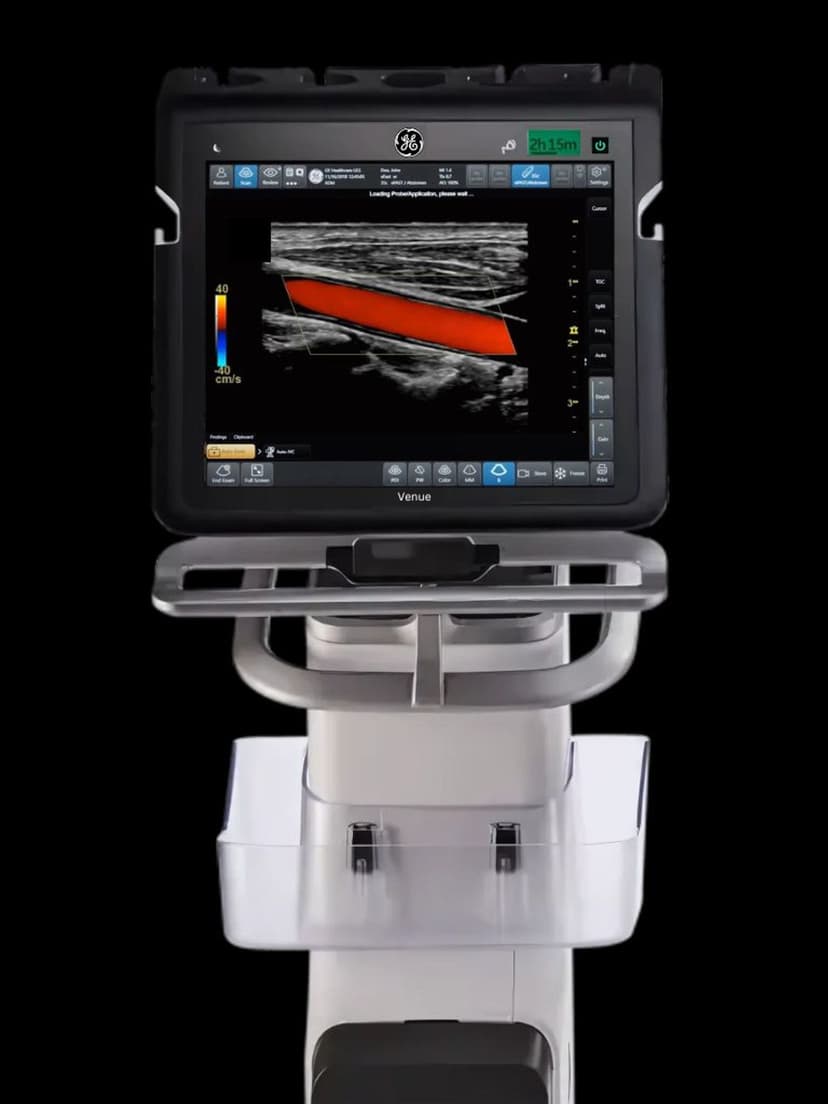
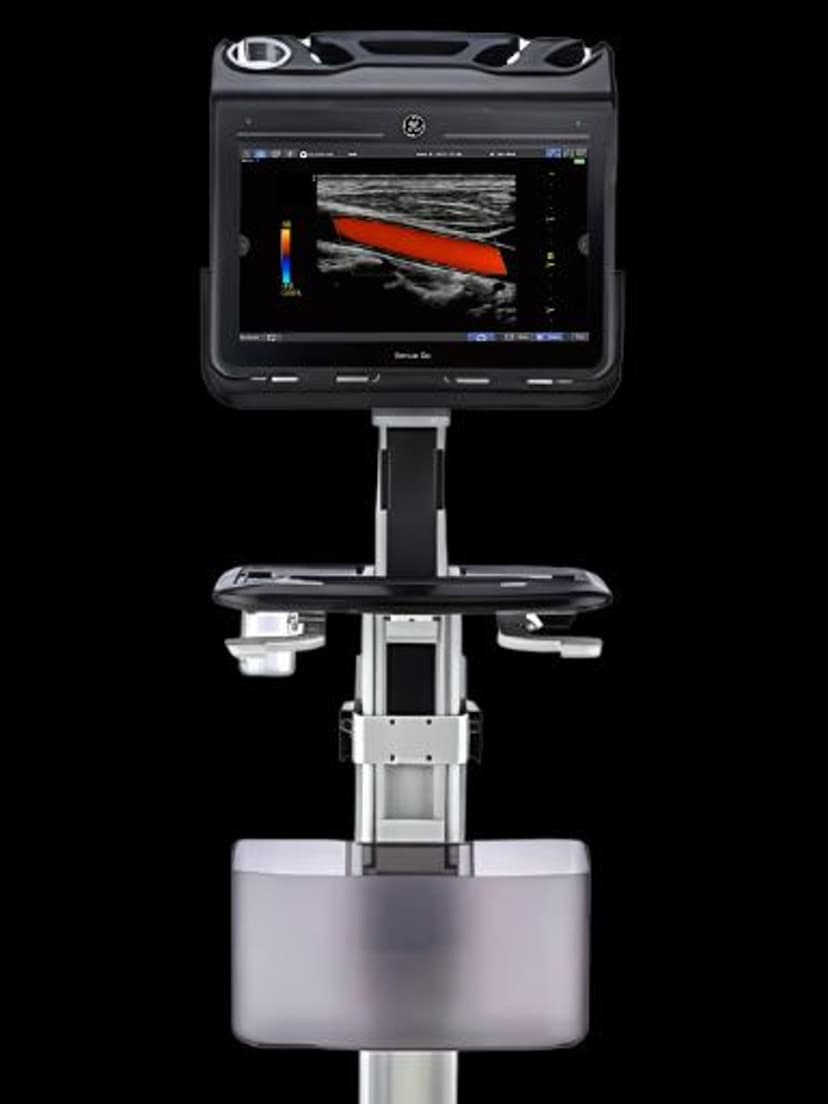
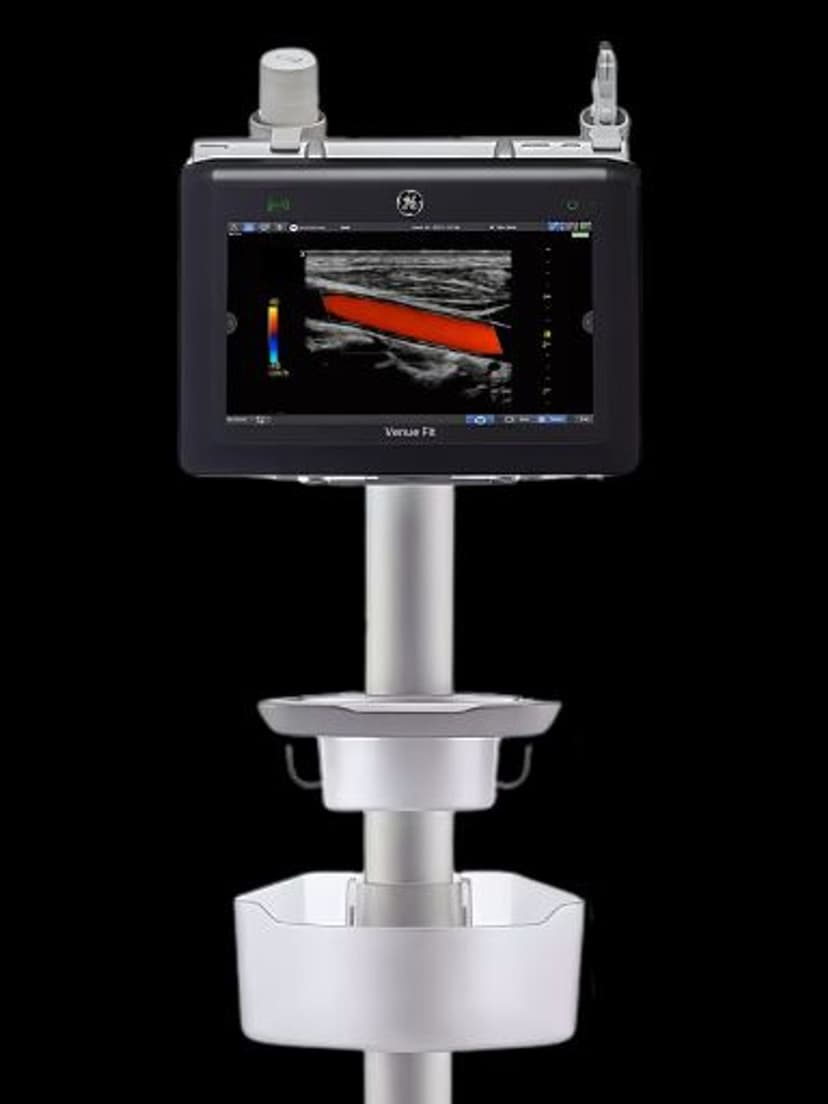
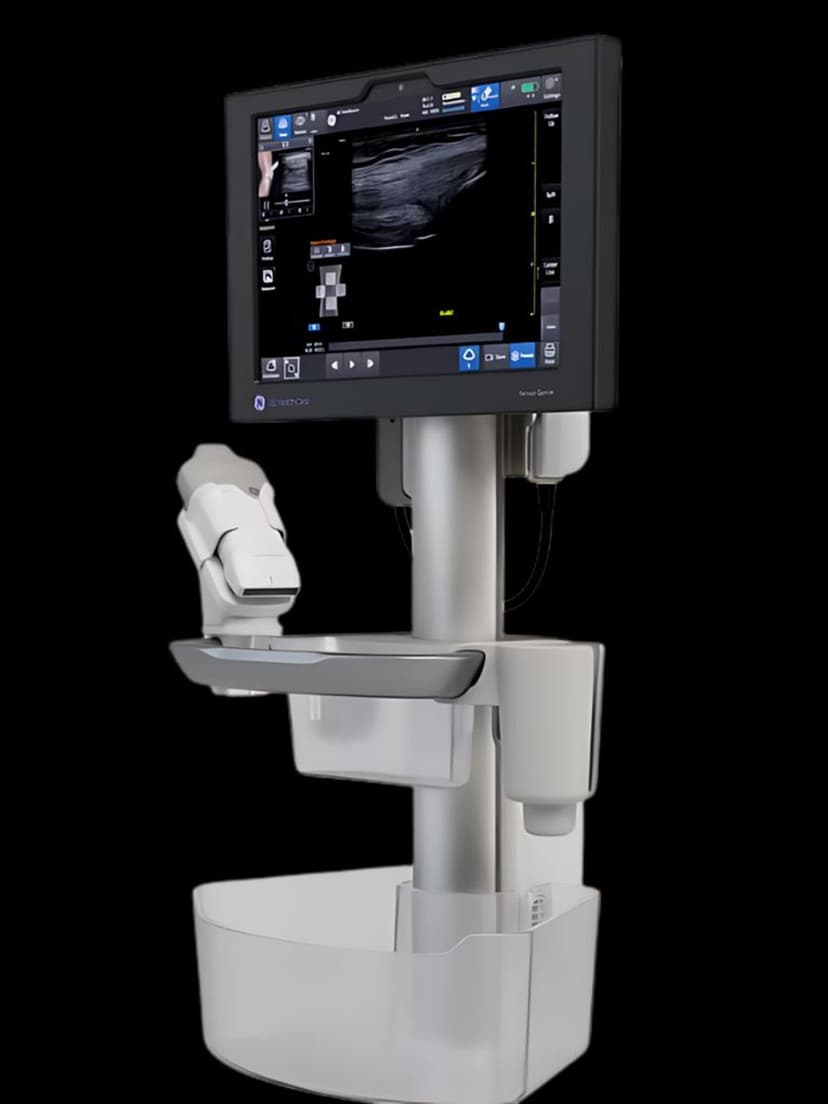
Available on these systems
Our Partners


















Want Needle Guidance in your practice?
Request a quote for a system that includes this feature.