
GE Ultrasound Feature
Radiant UltraHD
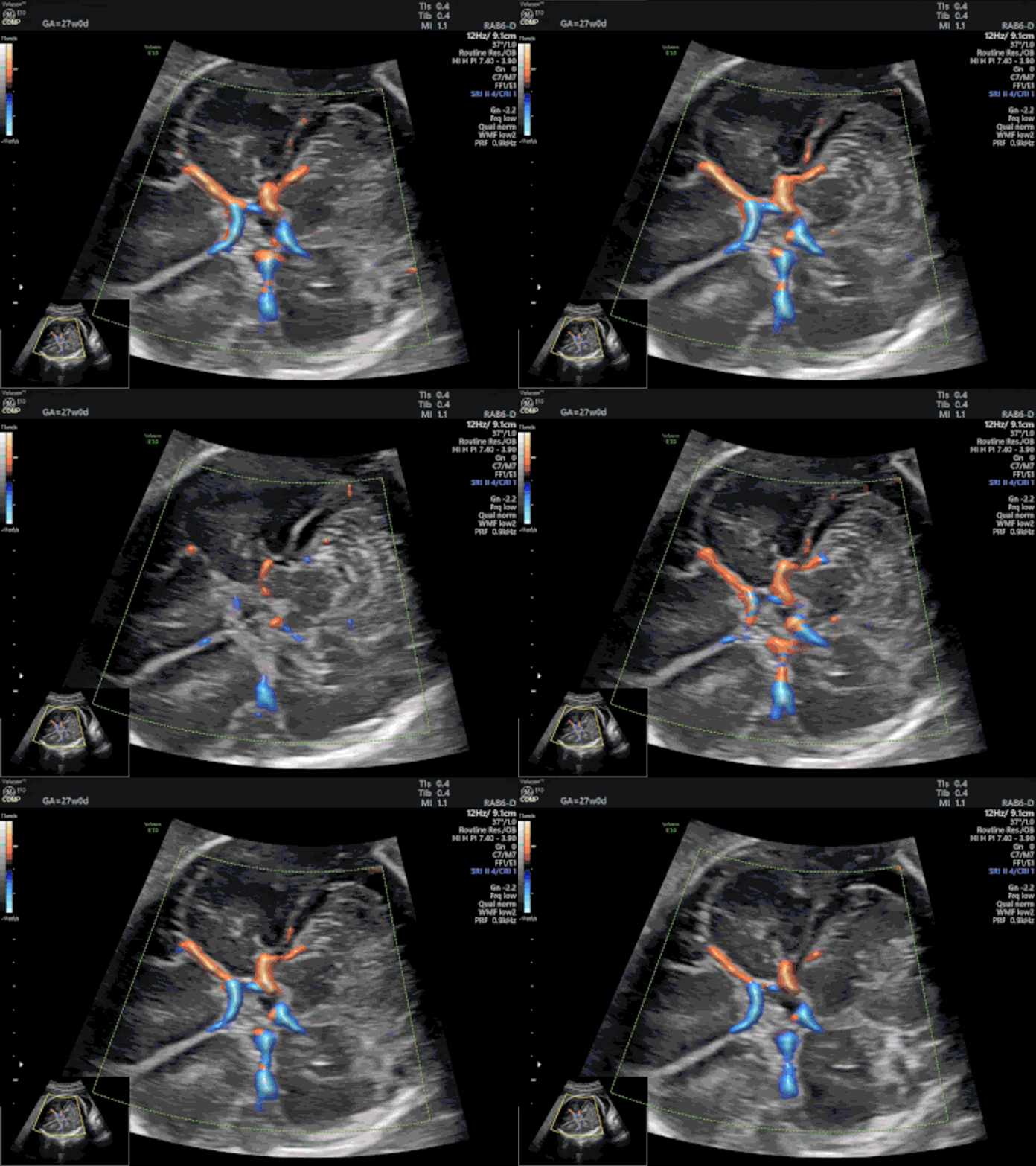
Imaging TechnologyRadiant UltraHD is a GE image rendering technology available on Voluson-series ultrasound machines. It applies real-time post-processing to B-mode images, adjusting brightness, contrast, and sharpness to produce high-definition tissue visualization. The technology improves differentiation between adjacent tissue types, making it easier to identify subtle anatomical boundaries during OB/GYN, abdominal, and vascular exams. Radiant UltraHD is particularly useful in obstetric imaging, where fine tissue detail matters for fetal anatomical assessment and the detection of structural abnormalities.
Key Benefits
Why Radiant UltraHD matters
Sharper tissue boundaries in B-mode imaging
Radiant UltraHD applies multi-parameter rendering to produce clearer edge definition between adjacent tissue types. This is especially useful in obstetric and gynecological imaging where distinguishing between similar soft tissues affects diagnostic accuracy.
Detail visibility without noise amplification
Traditional gain increases brighten the entire image and amplify noise. Radiant UltraHD adjusts contrast and sharpness independently, revealing small anatomical structures while keeping the background clean and interpretable.
Works across OB/GYN, vascular, and abdominal protocols
Clinicians scanning different anatomical regions throughout the day use the same rendering technology without switching between specialized image modes. One processing pipeline handles multiple Voluson exam types.
Real-time processing with zero workflow delay
Radiant UltraHD renders during live scanning, not as a post-processing step. Sonographers see the improved image quality as they scan, which reduces the need to freeze, adjust, and re-scan to capture diagnostic-quality frames.
About Radiant UltraHD
Radiant UltraHD processes raw ultrasound echo data through a multi-parameter rendering pipeline that simultaneously adjusts image brightness, contrast ratio, and edge sharpness. Unlike basic gain adjustments, which affect the entire image uniformly, Radiant UltraHD applies region-aware processing that preserves detail in both near-field and far-field zones. The result is improved visualization of soft tissue boundaries, organ surfaces, and small anatomical structures without the noise amplification that accompanies manual gain increases. On Voluson systems, Radiant UltraHD works alongside HDlive rendering for 3D/4D applications, but its primary strength is in 2D B-mode, where tissue differentiation drives diagnostic confidence. Clinicians scanning dense or heterogeneous tissue benefit most, as the technology pulls out structural detail that might otherwise require additional probe repositioning or post-exam review. The processing happens in real time during live scanning, so there is no workflow delay or separate post-processing step required.
Availability
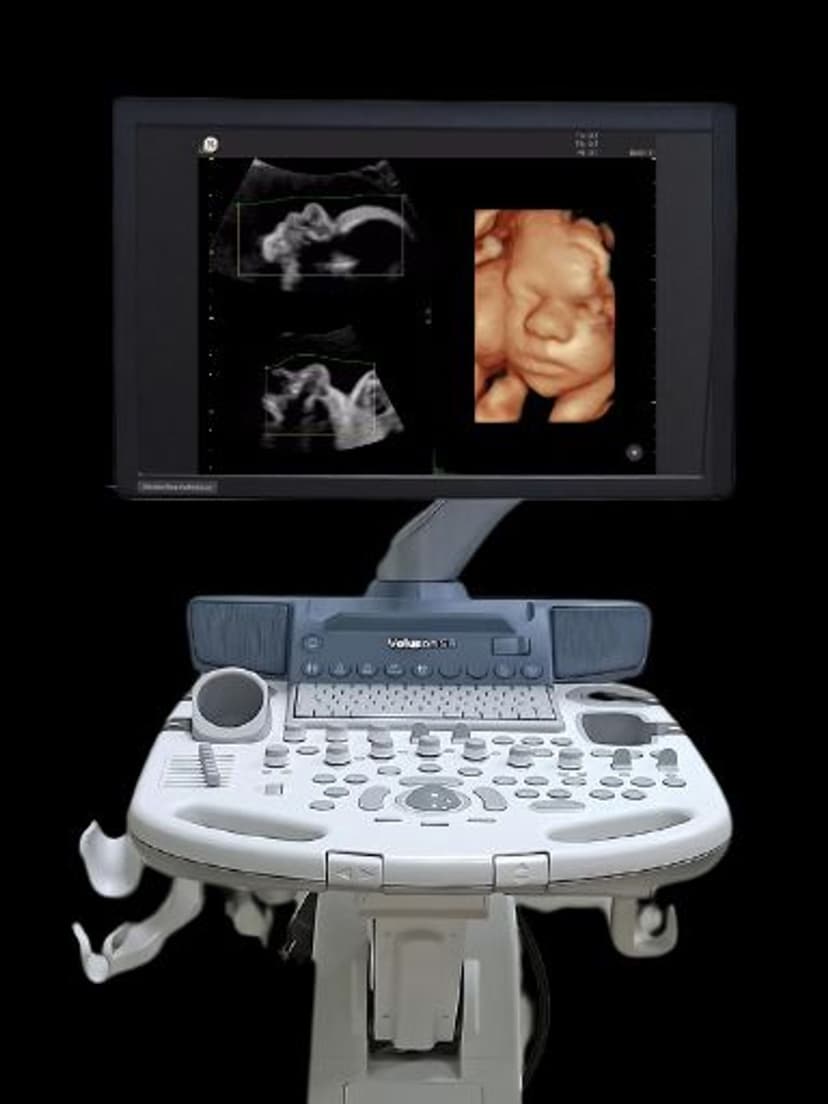
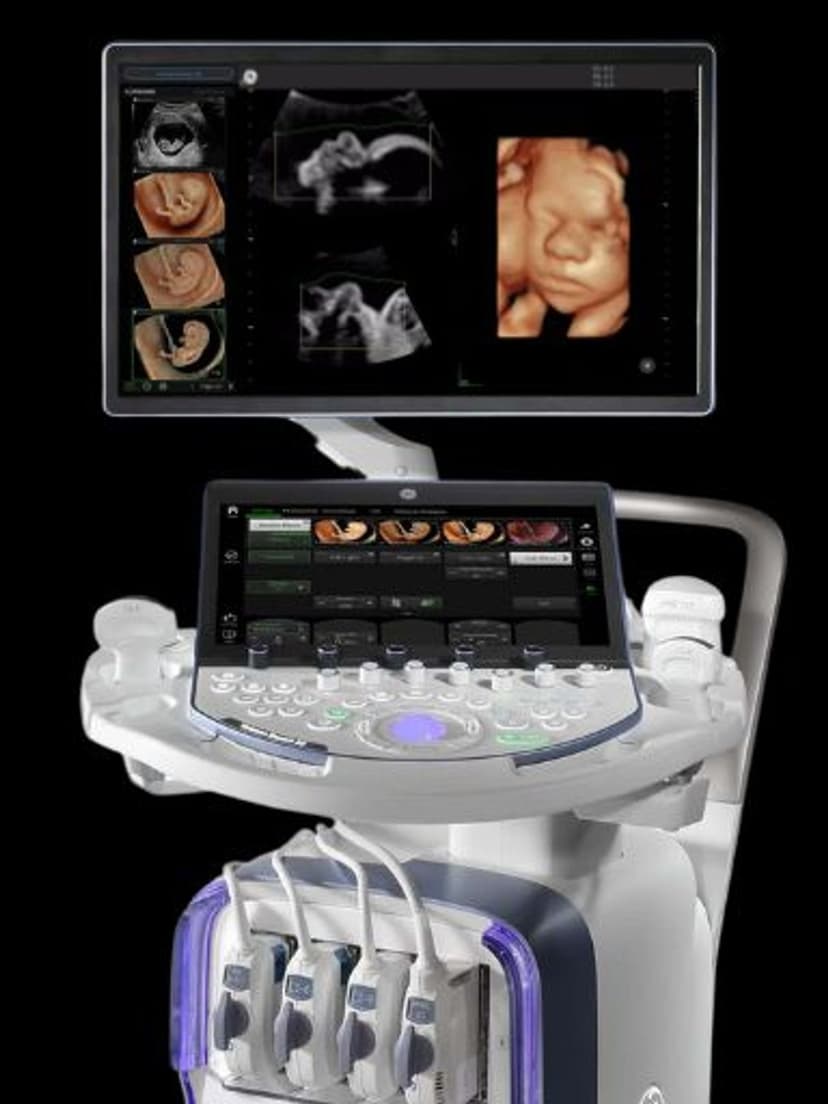
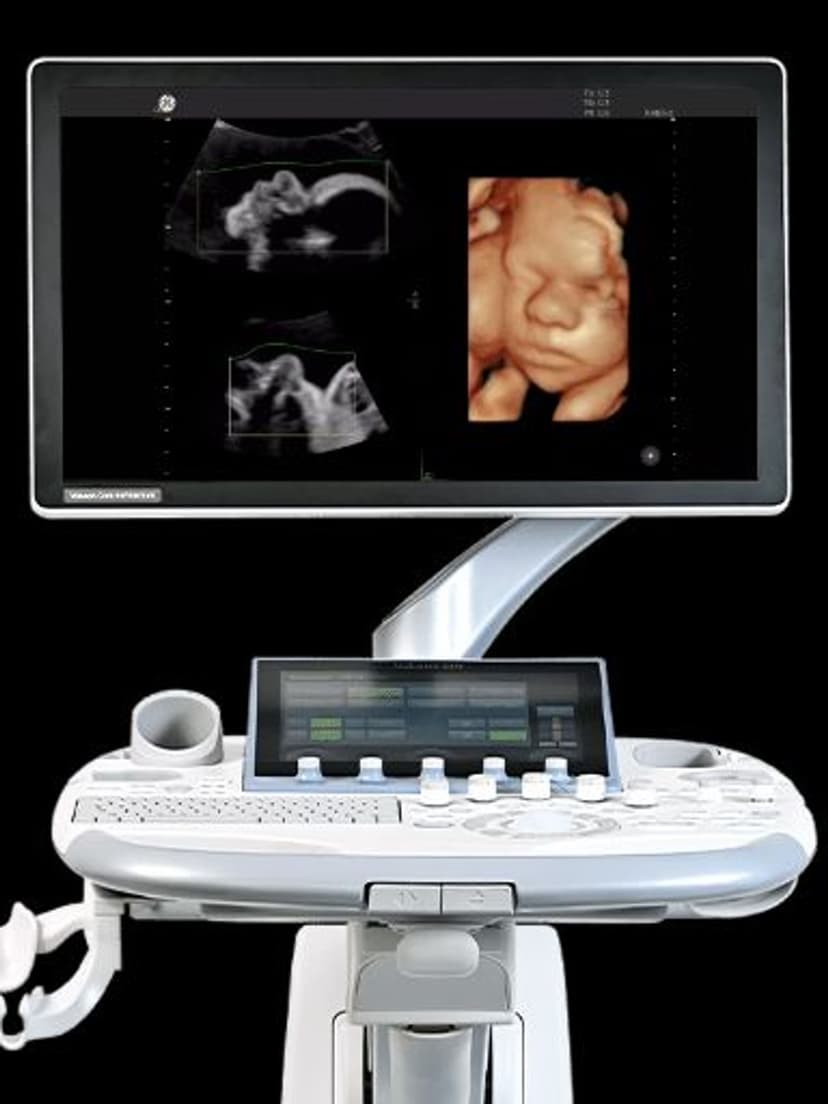
Available on these systems
Our Partners


















Want Radiant UltraHD in your practice?
Request a quote for a system that includes this feature.