
GE Ultrasound Feature
SRI-HD Speckle Reduction
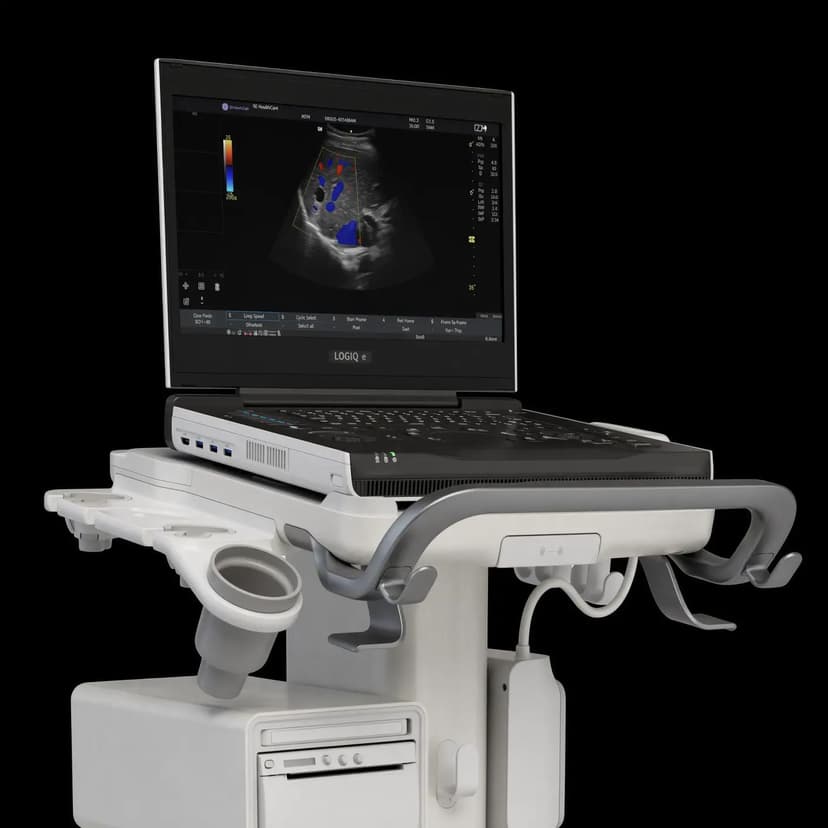
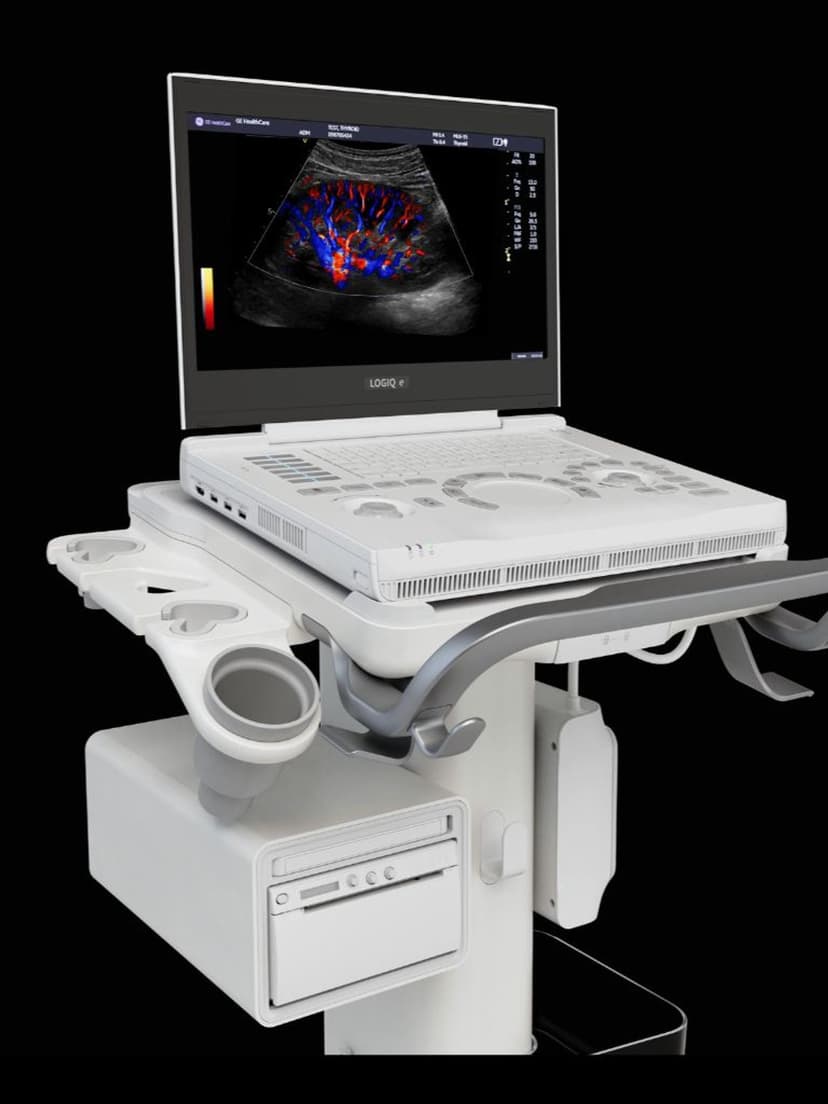
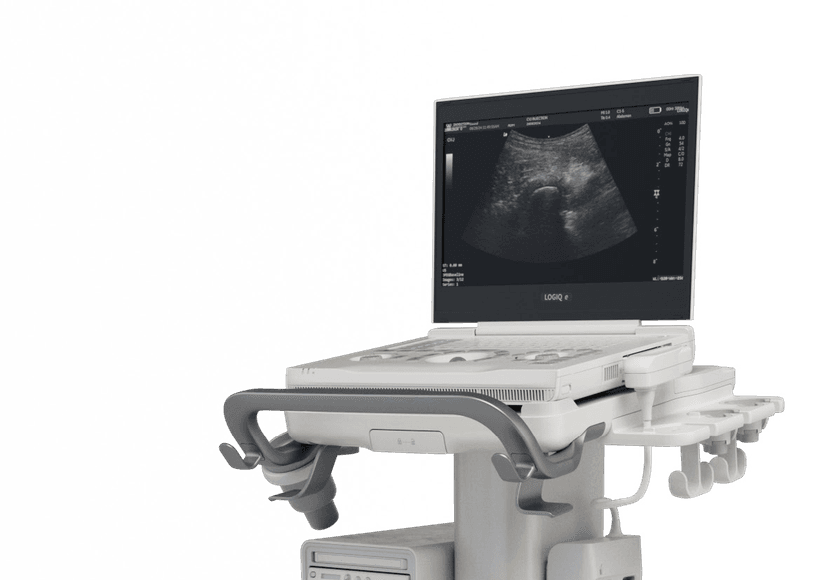
Imaging TechnologySRI-HD (Speckle Reduction Imaging – High Definition) is GE's adaptive image-processing technology that reduces the grainy speckle pattern inherent to ultrasound while preserving true tissue architecture. By smoothing regions dominated by noise and keeping genuine interfaces sharp, SRI-HD enhances the visibility of organs, vessels, and lesions with high-definition contrast resolution — helping clinicians see subtle borders and small fluid collections more clearly. In a 2025 GE HealthCare-conducted reader study on the LOGIQ e platform, 100% of reviewers rated the current SRI-HD superior for fluid detectability compared with the previous SRI-HD version. Availability and processing options vary by system, software level, and region.
Key Benefits
Why SRI-HD Speckle Reduction matters
Cleaner borders without a blurred look
SRI-HD adapts its filtering to the structures in the image: speckle-dominated regions are smoothed while genuine interfaces — vessel walls, organ capsules, tendons, and cyst margins — stay sharp. The result reads as a cleaner image, not an artificially softened one.
Superior fluid detectability in GE's 2025 reader study
In a GE HealthCare-conducted comparison on the LOGIQ e platform, 100% of reviewers rated the latest SRI-HD superior for fluid detectability versus the prior version, supporting clearer visualization of cysts, effusions, and other fluid collections. Results reflect that evaluation and can vary by application and settings.
Adjustable smoothing per exam and preset
Selectable SRI-HD levels let each user balance speckle suppression against fine tissue texture, so an MSK preset can keep fibrillar tendon detail while an abdominal preset prioritizes uniform parenchyma.
One processing engine across everyday exams
SRI-HD benefits routine B-mode scanning in abdominal, vascular, MSK, small-parts, thyroid, and point-of-care work, and it combines with spatial compounding and harmonic imaging for additional clarity.
About SRI-HD Speckle Reduction
Speckle is an interference artifact created when ultrasound echoes scatter within tissue; it overlays real anatomy with a grainy texture that can obscure low-contrast lesions, subtle borders, and small fluid collections. SRI-HD analyzes the image in real time and adapts its filtering to the underlying structures: areas dominated by speckle are smoothed, while genuine tissue interfaces — vessel walls, organ capsules, tendons, cyst margins — are preserved, so the image looks cleaner without appearing artificially blurred. Users can typically select the SRI-HD level per preset to balance smoothing against fine-texture detail for each exam type. The processing complements spatial compounding and harmonic imaging, and it benefits everyday B-mode scanning across abdominal, vascular, musculoskeletal, small-parts, thyroid, and point-of-care applications. On the current LOGIQ e platform, GE's 2025 internal reader study reported that 100% of reviewers rated the latest SRI-HD generation superior for fluid detectability versus the prior version; results reflect that evaluation and may vary by application, settings, and user.
Our Partners


















Want SRI-HD Speckle Reduction in your practice?
Request a quote for a system that includes this feature.