
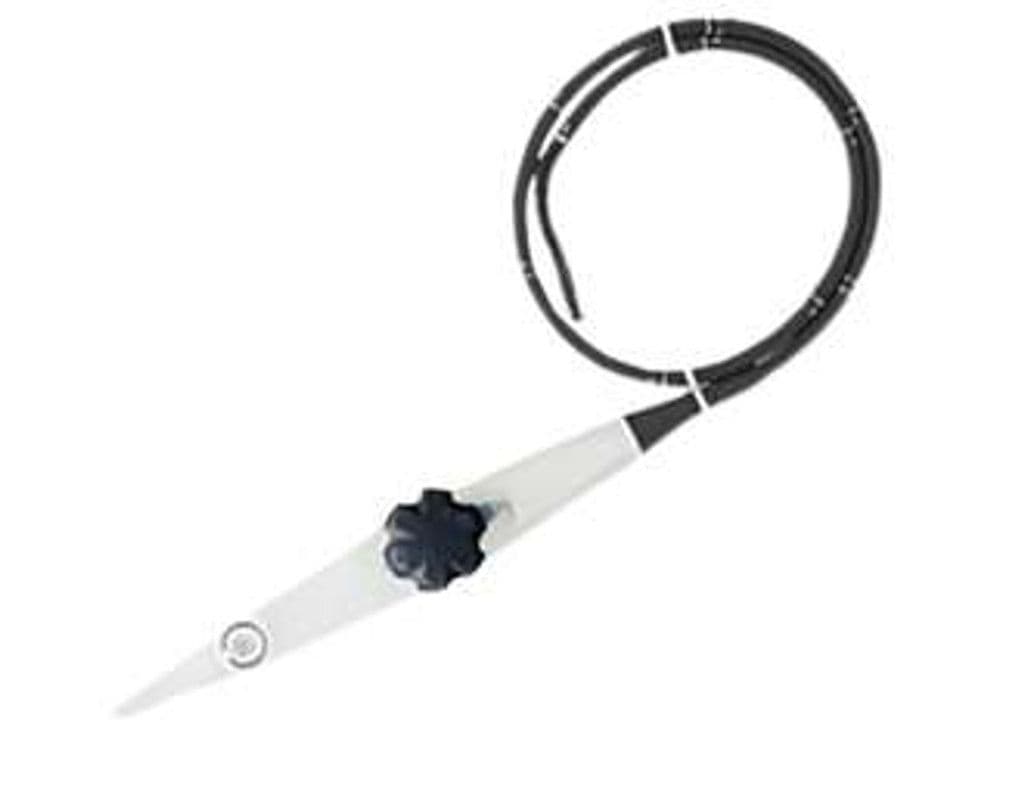
GE 6Tc-RS
The 6Tc-RS is a miniaturized transesophageal echocardiography probe built for patients too small for adult TEE transducers. The slim shaft and compact tip navigate the neonatal and pediatric esophagus while the 3–8 MHz phased-array element delivers the resolution needed to visualize septal defects, valve morphology, and great vessel anatomy. A 90-degree field of view captures standard TEE imaging planes without repositioning, and RS-Pin connectivity supports a broad range of GE cardiac and general imaging systems.
Specifications
High-frequency range resolves small congenital cardiac structures in neonatal and pediatric patients.
Wide sector captures complete TEE imaging planes without probe repositioning.
Full TEE mode set for anatomic assessment and hemodynamic quantification.
Sufficient depth for transgastric and deep transgastric views in pediatric patients.
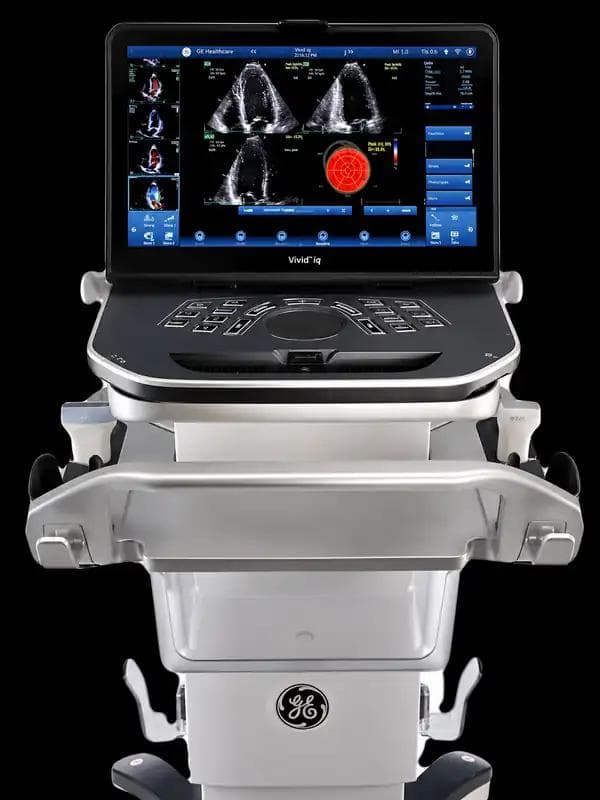
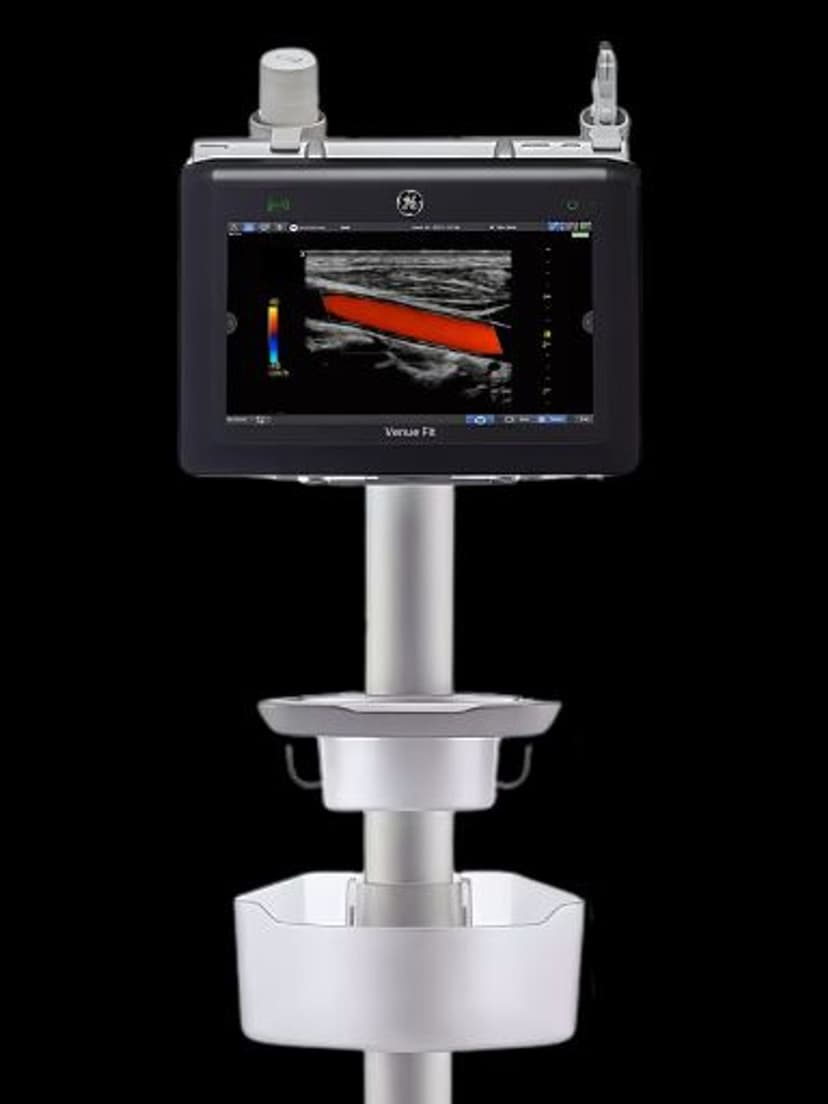
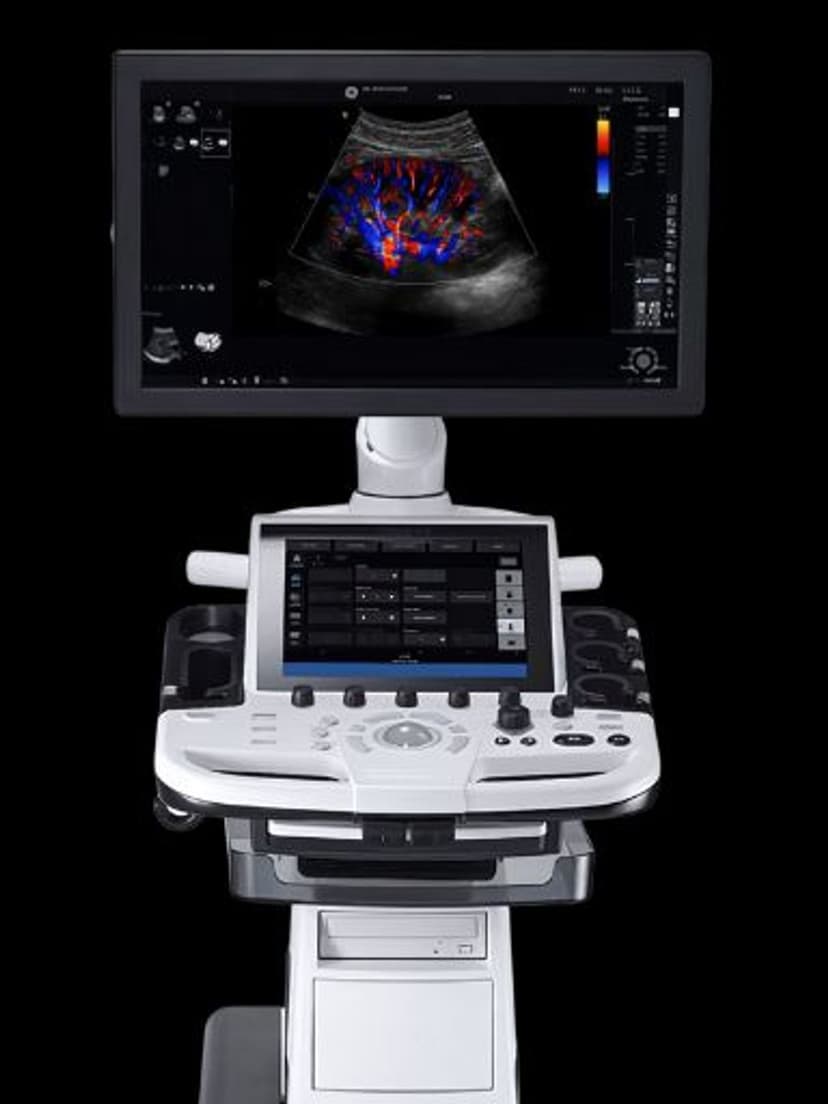
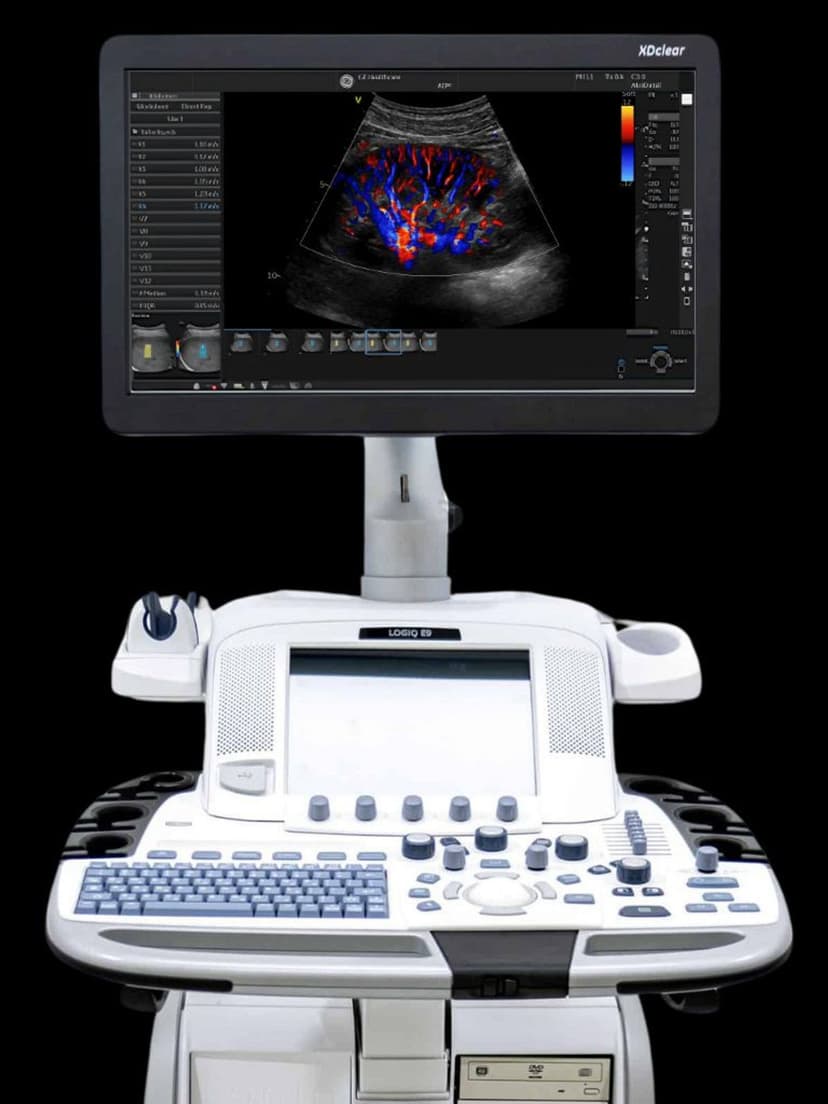
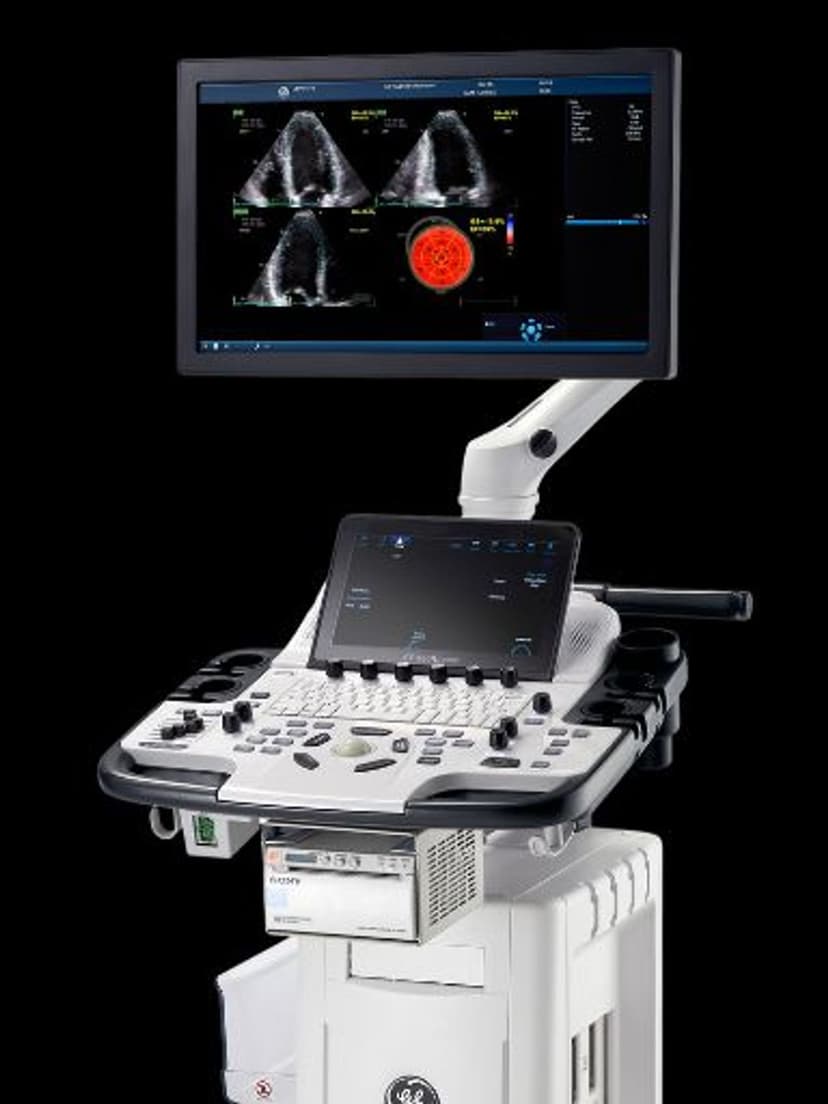
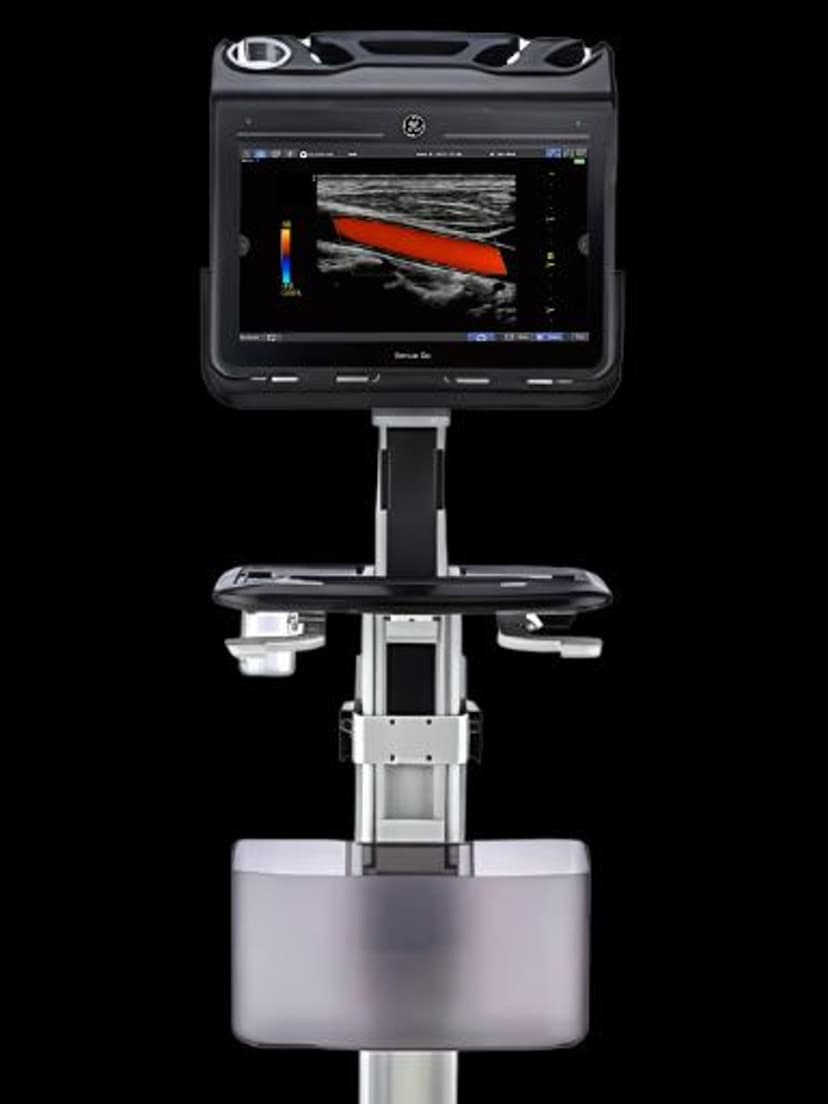
RS-Pin interface connects to GE Vivid, LOGIQ, and Venue cardiac-capable systems.
Applications
Neonatal TEE Imaging
The miniaturized probe shaft allows safe esophageal intubation in neonates weighing as little as 3–4 kg. High-frequency imaging at the upper end of the 3–8 MHz range resolves small cardiac structures including atrial and ventricular septal defects. Real-time visualization during interventional catheterization and surgical repair guides procedural decision-making in the neonatal ICU.
Pediatric TEE Imaging
Mid-esophageal, transgastric, and deep transgastric views assess biventricular function and valvular competence in pediatric patients. Color Doppler maps regurgitant jets and shunt flow across septal defects with the spatial resolution required for accurate grading. Intraoperative TEE monitoring during congenital heart surgery confirms repair adequacy before chest closure.
Congenital Heart Disease Evaluation
Detailed visualization of complex congenital anatomy including transposition of the great arteries, tetralogy of Fallot, and atrioventricular canal defects. PW and CW Doppler quantify pressure gradients across stenotic valves and conduits. The 90-degree sector provides adequate coverage of the aortic arch and pulmonary artery bifurcation from standard TEE windows.
Our Partners


















Need this probe for your system?
Request a quote with pricing, compatibility verification, and delivery timeline.