
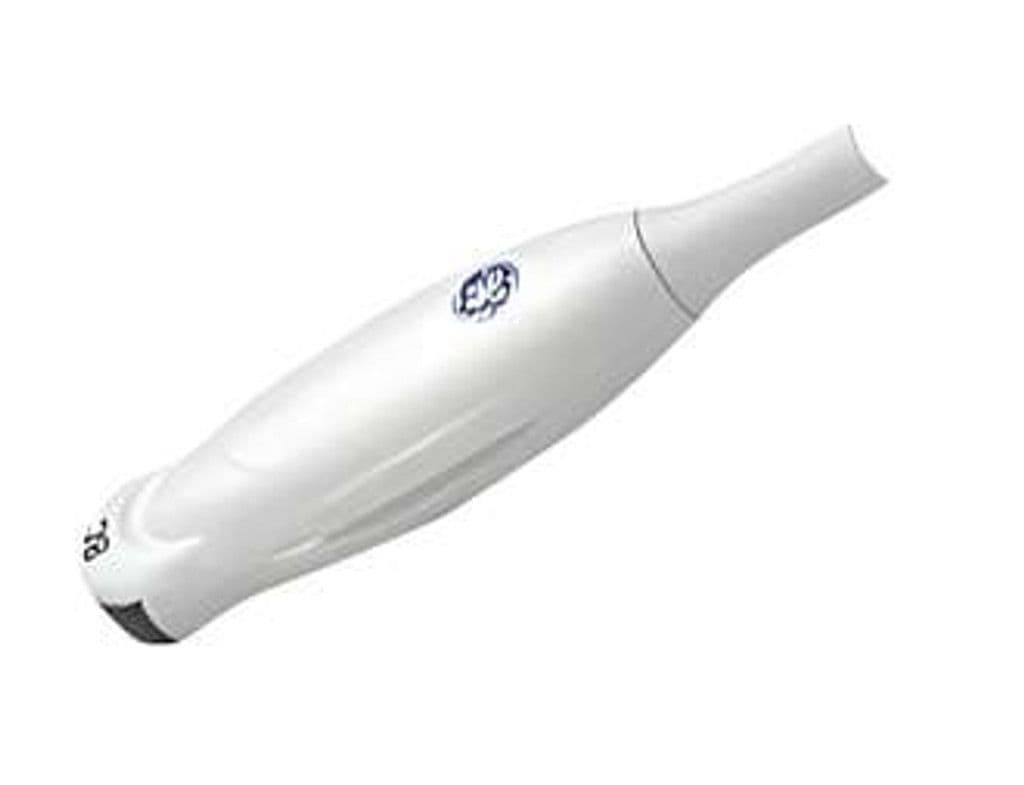
GE 8C-RS
The 8C-RS uses a compact curved array footprint to access the small acoustic windows of neonatal and pediatric patients. The 4.2 – 11.0 MHz bandwidth reaches pediatric abdominal organs at the low end while resolving neonatal brain structures through the fontanelle at the high end. A 131-degree field of view provides wide anatomical coverage relative to the probe's small contact area, making it one of the most broadly compatible pediatric probes in GE's RS-Pin lineup.
Specifications
Wide bandwidth covers neonatal cranial through pediatric abdominal imaging in one probe.
Wide sector angle provides full anatomical coverage through small fontanelle and intercostal windows.
Sufficient penetration for pediatric abdominal organs including liver, kidneys, and retroperitoneum.
Standard diagnostic modes support morphologic and hemodynamic assessment in pediatric patients.
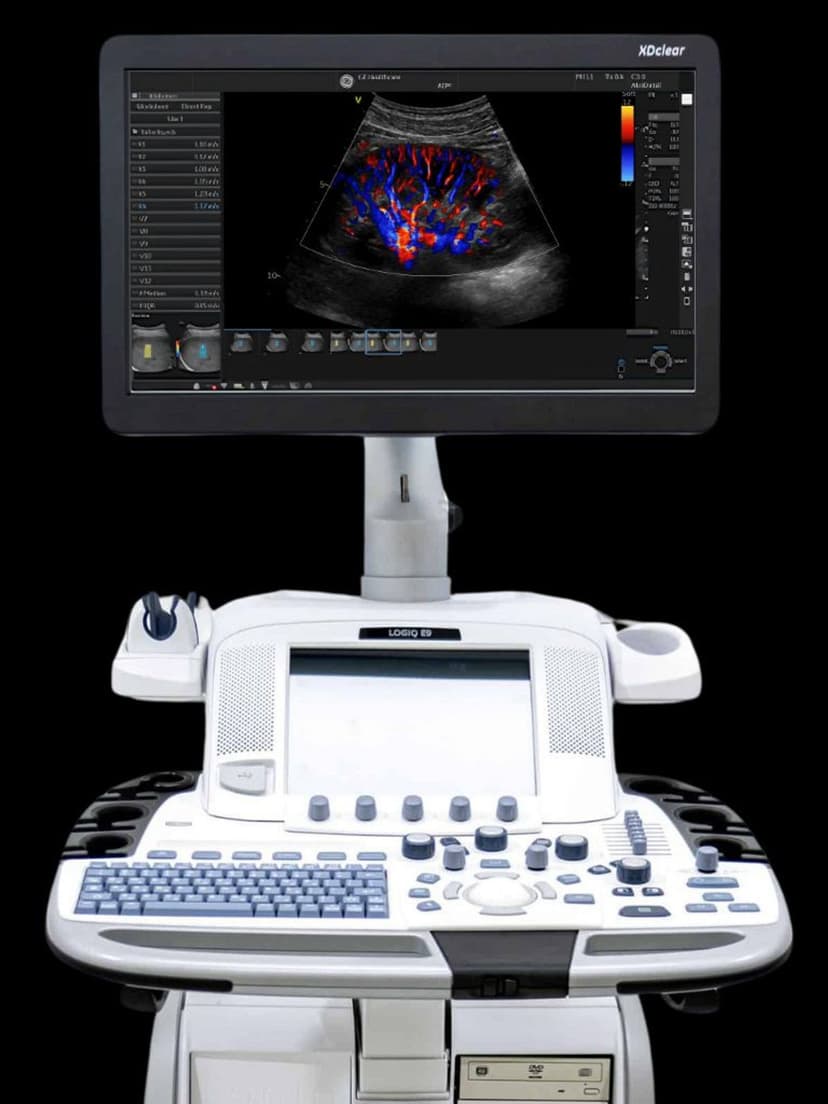
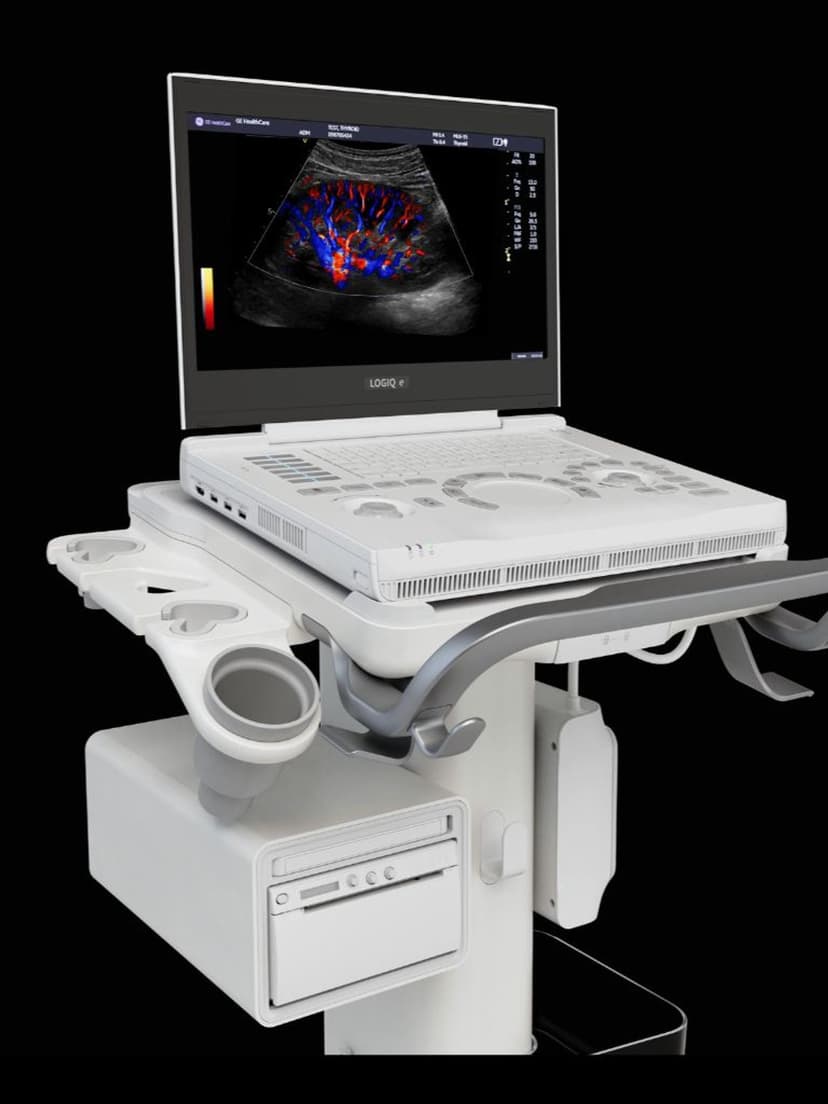
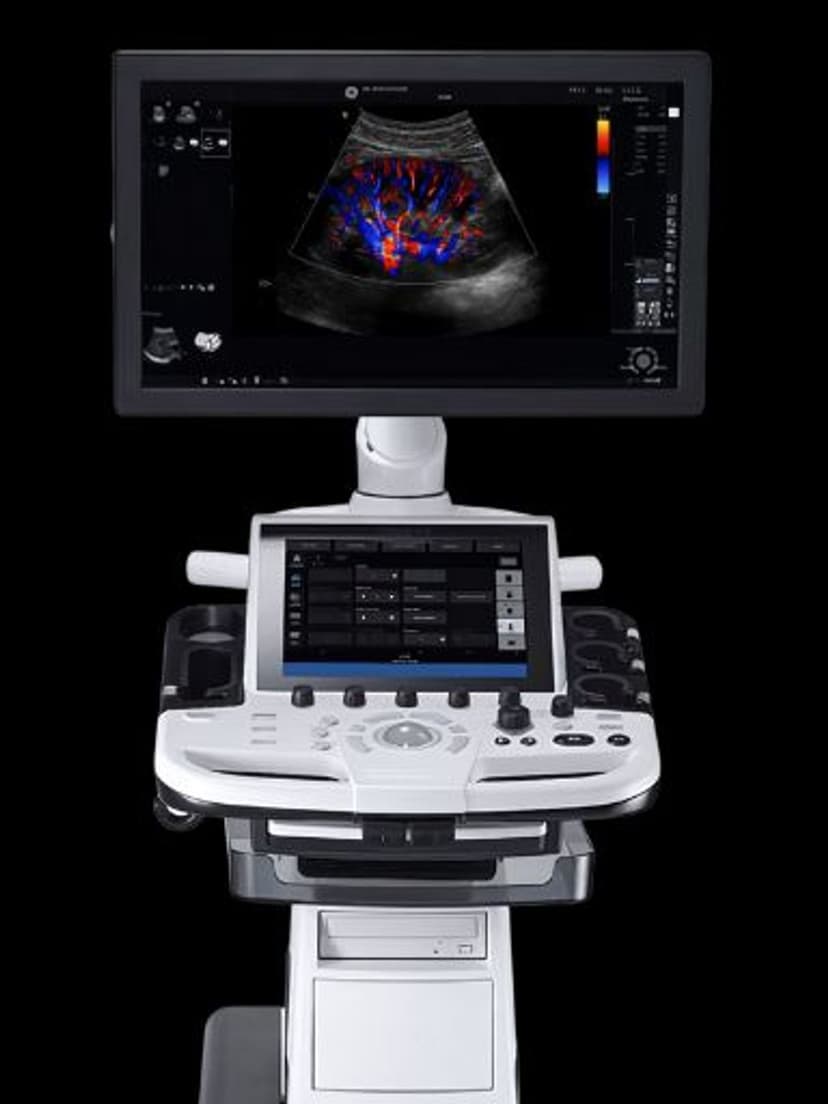
RS-Pin interface works across the broadest range of GE general imaging and portable platforms.
Applications
Pediatric Abdominal Imaging
At 3–8 MHz, the 8C-RS images pediatric liver, kidneys, spleen, and bowel with resolution that matches the smaller body habitus. The compact footprint fits between ribs and below the costal margin where standard adult convex probes are too large. Color Doppler supports portal and renal vascular assessment in pediatric patients.
Neonatal Cranial Imaging
The small contact area fits the anterior fontanelle for coronal and sagittal views of neonatal brain structures. At 8–10 MHz, the probe resolves periventricular white matter, germinal matrix, and ventricular margins with the detail needed to grade intraventricular hemorrhage. The 90-degree sector angle captures both lateral ventricles in a single coronal sweep.
Small-Patient General Imaging
The 8C-RS covers neonatal hip screening, appendicitis evaluation, and pyloric stenosis assessment from a single transducer. The 3 MHz low end penetrates enough for infant abdominal work, while 10 MHz resolves superficial structures like the pylorus and hip joint cartilage. This range reduces the number of probe changes during a general pediatric ultrasound exam.
Our Partners


















Need this probe for your system?
Request a quote with pricing, compatibility verification, and delivery timeline.