
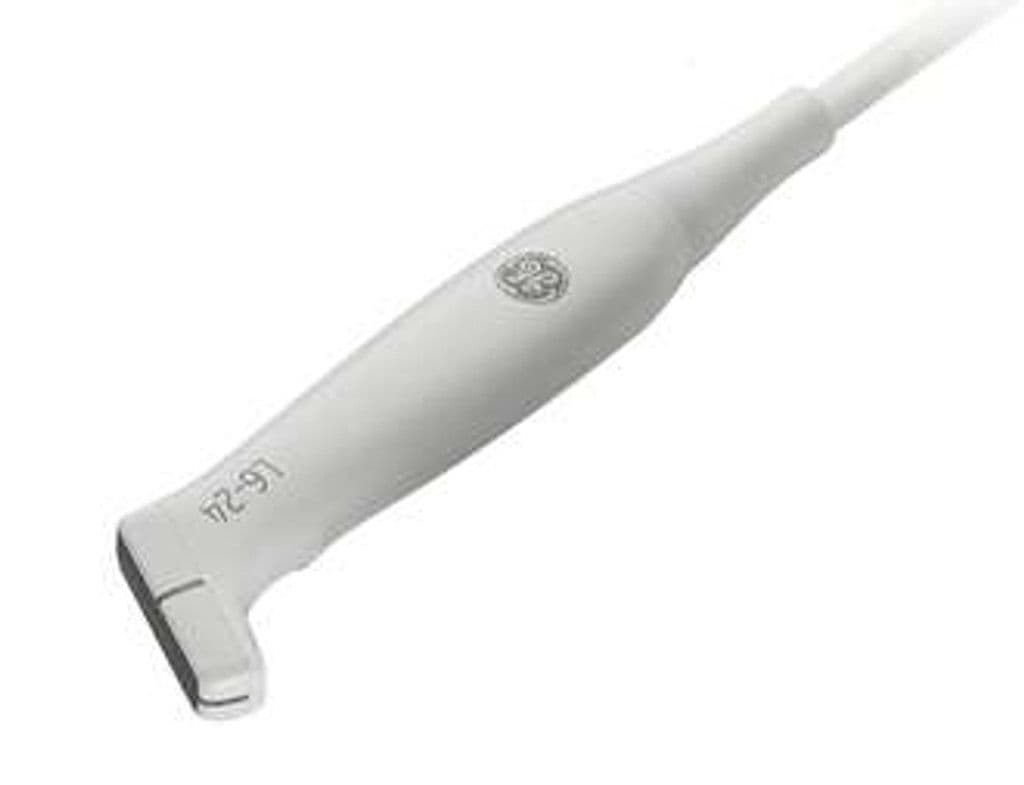
GE L6-24-D
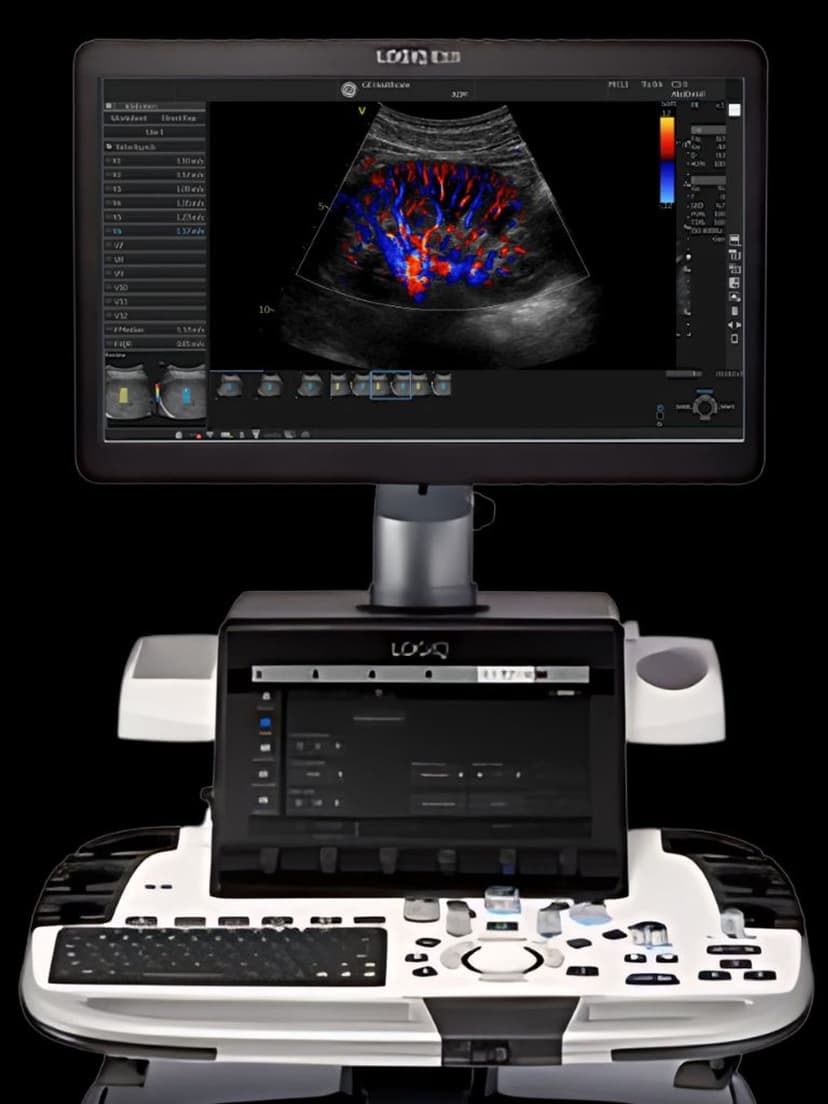
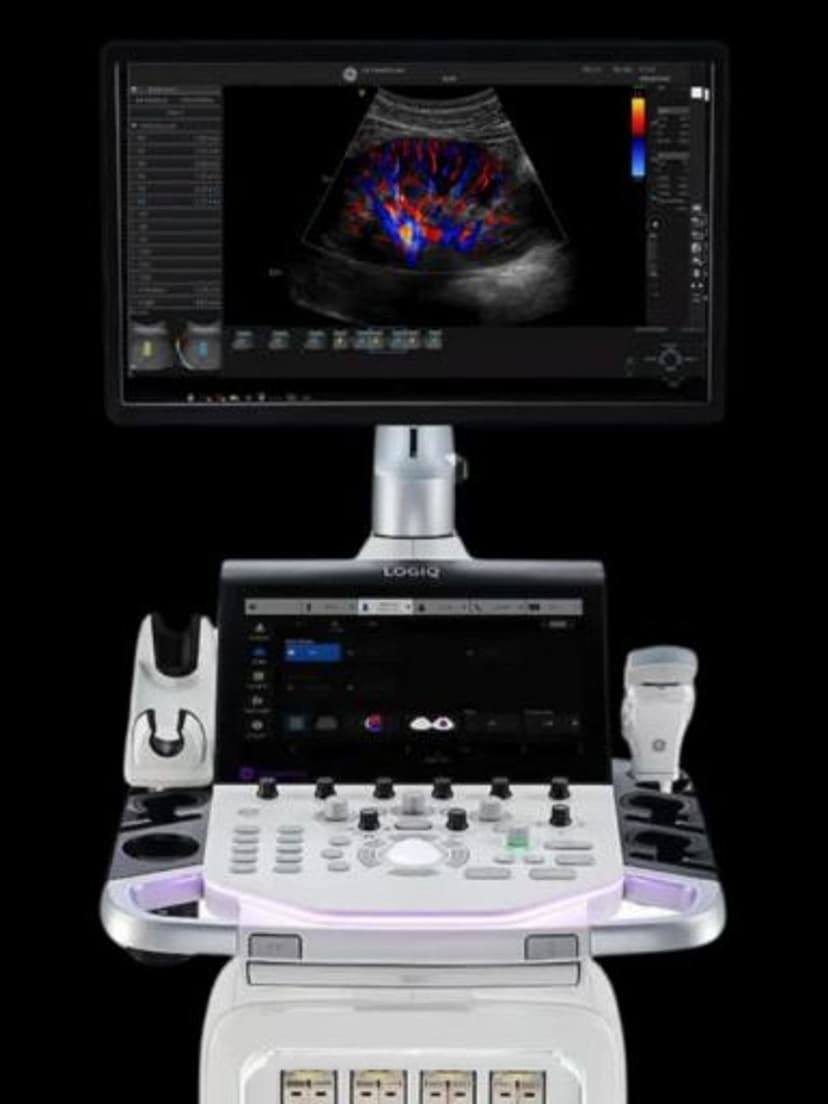
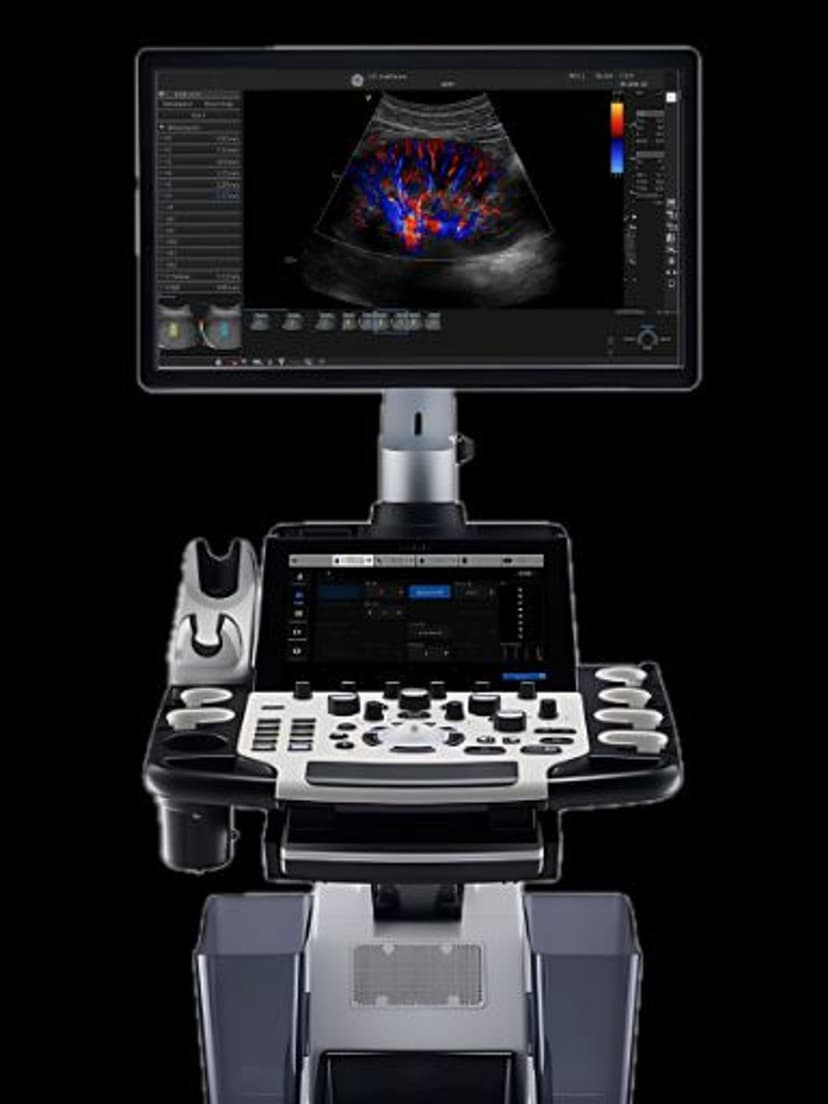
The L6-24-D delivers the highest frequency range in the GE linear transducer portfolio, reaching 24 MHz for sub-millimeter resolution of superficial structures. Axial resolution at maximum frequency distinguishes tissue layers in the thyroid, breast, and musculoskeletal anatomy that lower-frequency probes cannot resolve. D-pin connectivity limits this probe to the LOGIQ E10, Fortis, and Totus, where the system processing matches the transducer bandwidth.
Compatible Systems
Specifications
Ultra-high frequency range provides sub-millimeter axial resolution for the finest superficial structures.
Optimized for superficial and near-surface anatomical structures.
Doppler modes detect low-velocity flow in small superficial vessels.
D-pin interface connects to GE LOGIQ E10, Fortis, and Totus systems.
Applications
Superficial Small Parts Imaging
At 24 MHz, the L6-24-D resolves thyroid nodule internal architecture, parathyroid glands, and salivary gland duct anatomy with detail approaching histological correlation. Breast imaging benefits from improved detection of small solid masses and micro-calcification shadowing.
Musculoskeletal Imaging
Ultra-high frequency operation distinguishes individual tendon fascicles, nerve bundles, and cartilage surfaces. The L6-24-D supports detailed evaluation of finger and wrist tendons, small joint effusions, and superficial foreign body detection where resolution is the primary diagnostic requirement.
Vascular and Dermatological Assessment
High-frequency B-mode imaging resolves vessel wall layers for intima-media measurement, while Color Doppler detects low-velocity flow in small superficial vessels. Dermatological applications include skin lesion depth measurement and assessment of subcutaneous mass vascularity.
Our Partners


















Need this probe for your system?
Request a quote with pricing, compatibility verification, and delivery timeline.