
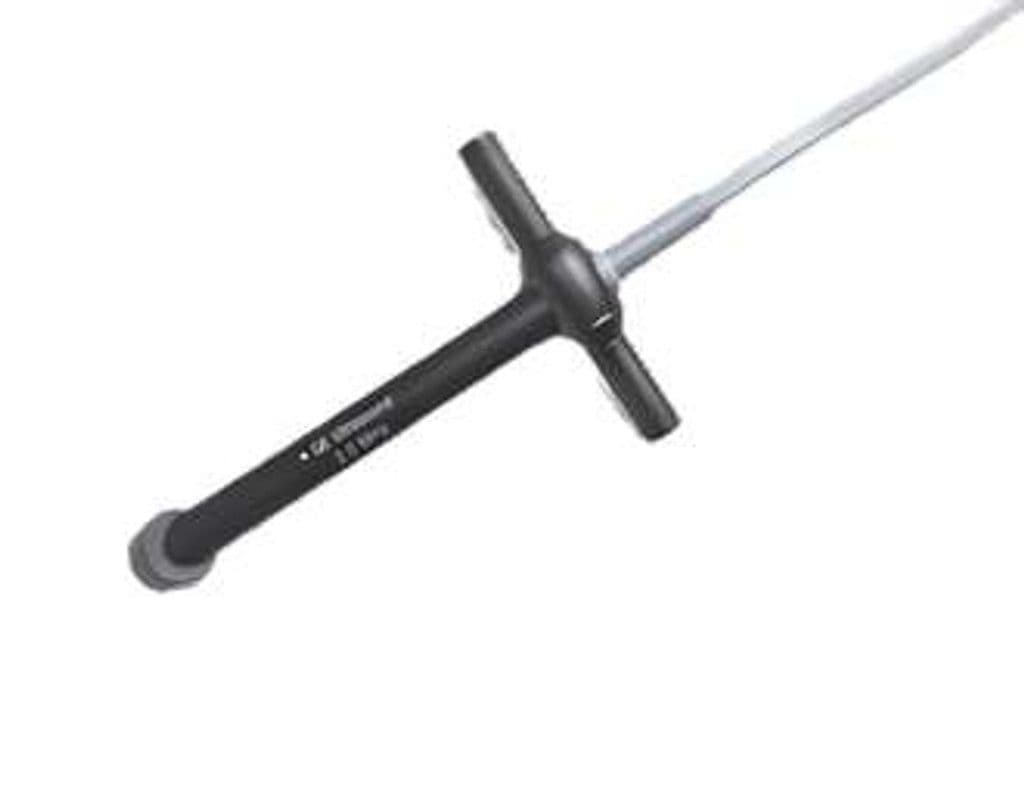
GE P2D KE100005 CW
The P2D KE100005 CW is a dedicated non-imaging pencil probe that transmits and receives continuous-wave Doppler signals at 2.0 MHz. Unlike pulsed-wave Doppler, CW mode has no velocity aliasing limit, making it essential for quantifying high-velocity jets across stenotic or regurgitant heart valves. The 16 mm diameter pencil form factor allows operators to angle the probe freely across the chest wall to align with the jet direction and maximize spectral signal quality.
Compatible Systems
Specifications
Low frequency penetrates the chest wall and reaches deep cardiac and vascular structures.
CW Doppler has no velocity aliasing limit, enabling accurate measurement of high-velocity jets.
Small pencil form factor allows free angulation to align with jet direction across the chest wall.
Dedicated CW Doppler probe without 2D imaging capability — used alongside an imaging transducer.
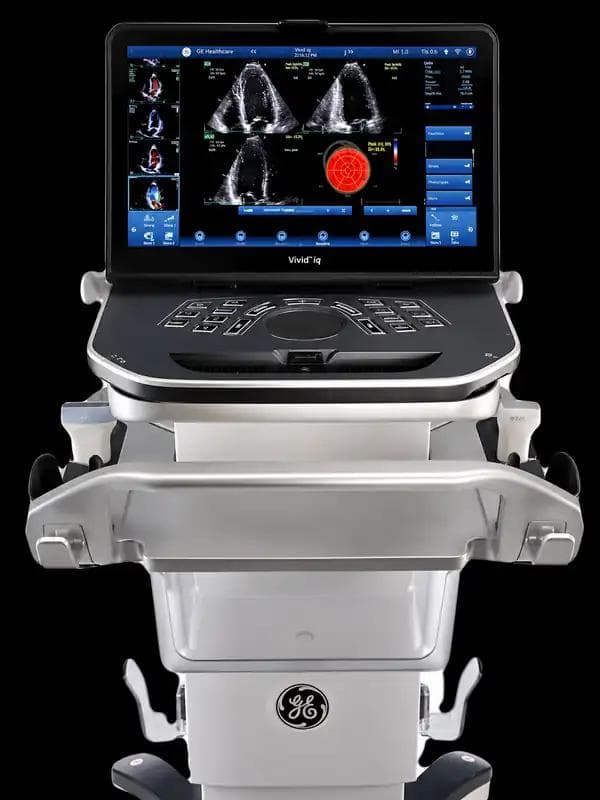
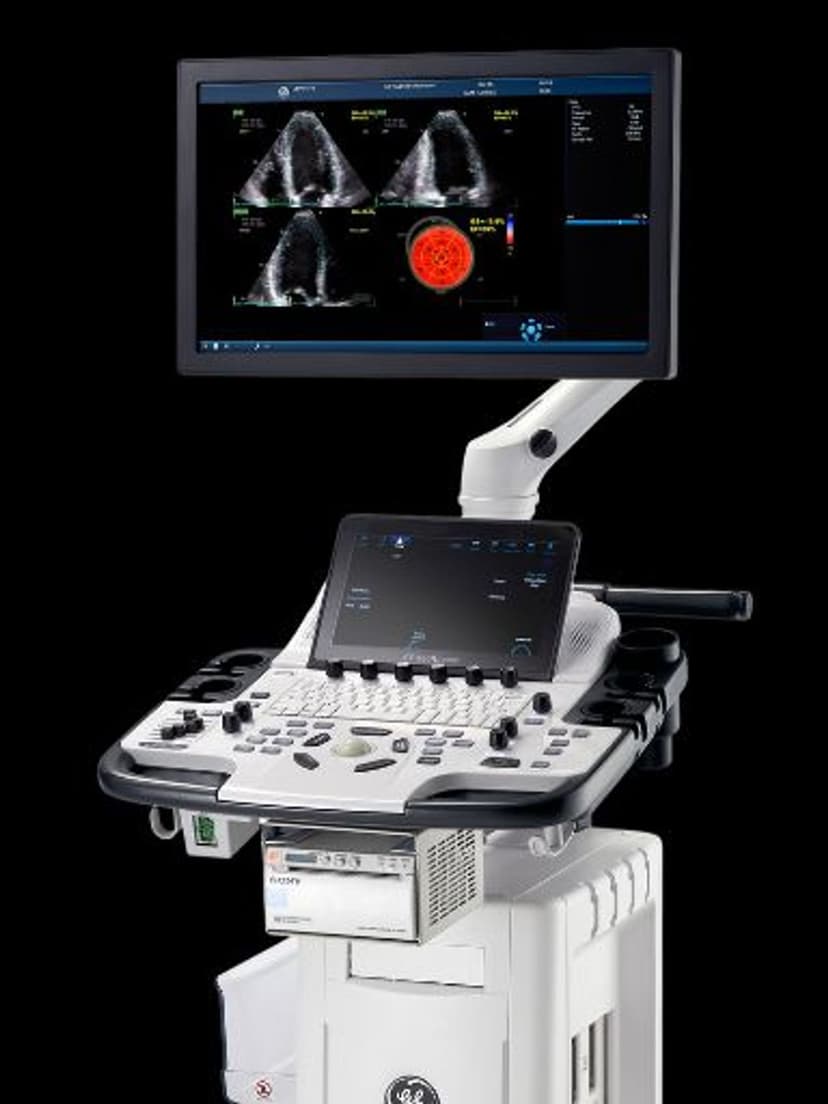
RS-Pin connector compatible with GE Vivid-series cardiac systems.
Applications
Cardiac Valve Hemodynamics
Measures peak and mean gradients across the aortic, mitral, tricuspid, and pulmonic valves using continuous-wave spectral Doppler. The absence of a Nyquist limit allows accurate quantification of velocities exceeding 4 m/s, which is critical for grading aortic stenosis severity and calculating valve area via the continuity equation. The 2.0 MHz frequency penetrates the chest wall to reach all four valves from standard acoustic windows.
Tricuspid Regurgitation Velocity
CW Doppler measurement of the peak TR jet velocity estimates right ventricular systolic pressure via the simplified Bernoulli equation. This measurement is a standard component of every echocardiographic exam and requires CW Doppler for velocities above the pulsed-wave aliasing threshold. The pencil probe's small footprint and free angulation help operators find the optimal alignment along the TR jet.
Peripheral Vascular Assessment
CW Doppler evaluates blood flow velocity in peripheral arteries and veins where imaging-based Doppler cannot achieve proper angle correction. Ankle-brachial index (ABI) measurements use the pencil probe to detect arterial signals at the dorsalis pedis and posterior tibial arteries. The 2.0 MHz frequency provides depth penetration for detecting flow in deeper vessels such as the iliac arteries.
Our Partners


















Need this probe for your system?
Request a quote with pricing, compatibility verification, and delivery timeline.