
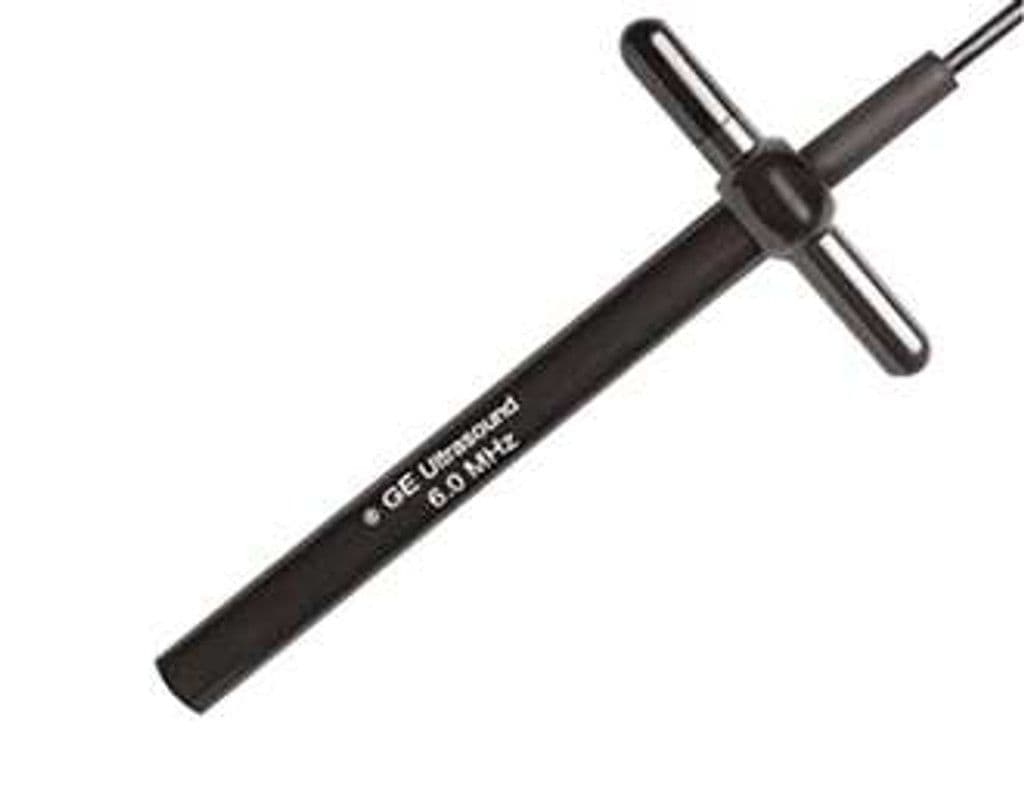
GE P6D
The P6D is a dedicated CW Doppler pencil probe with a 9 mm diameter tip, purpose-built for measuring high-velocity blood flow across cardiac valves and through stenotic peripheral vessels. Unlike imaging transducers, the P6D operates exclusively in continuous-wave mode, making it the right tool for quantifying peak velocities that exceed the Nyquist limit of pulsed Doppler. The 5.0/6.0/6.3 MHz operating frequency balances signal strength with adequate depth penetration for aortic, mitral, and tricuspid jet interrogation.
Specifications
CW pencil probe operating at a single resonant frequency (5.0, 6.0, or 6.3 MHz) determined by the host ultrasound system.
Dedicated CW mode measures peak velocities beyond the aliasing limits of pulsed Doppler.
Pencil-size tip allows precise beam alignment to high-velocity jets and small vessels.
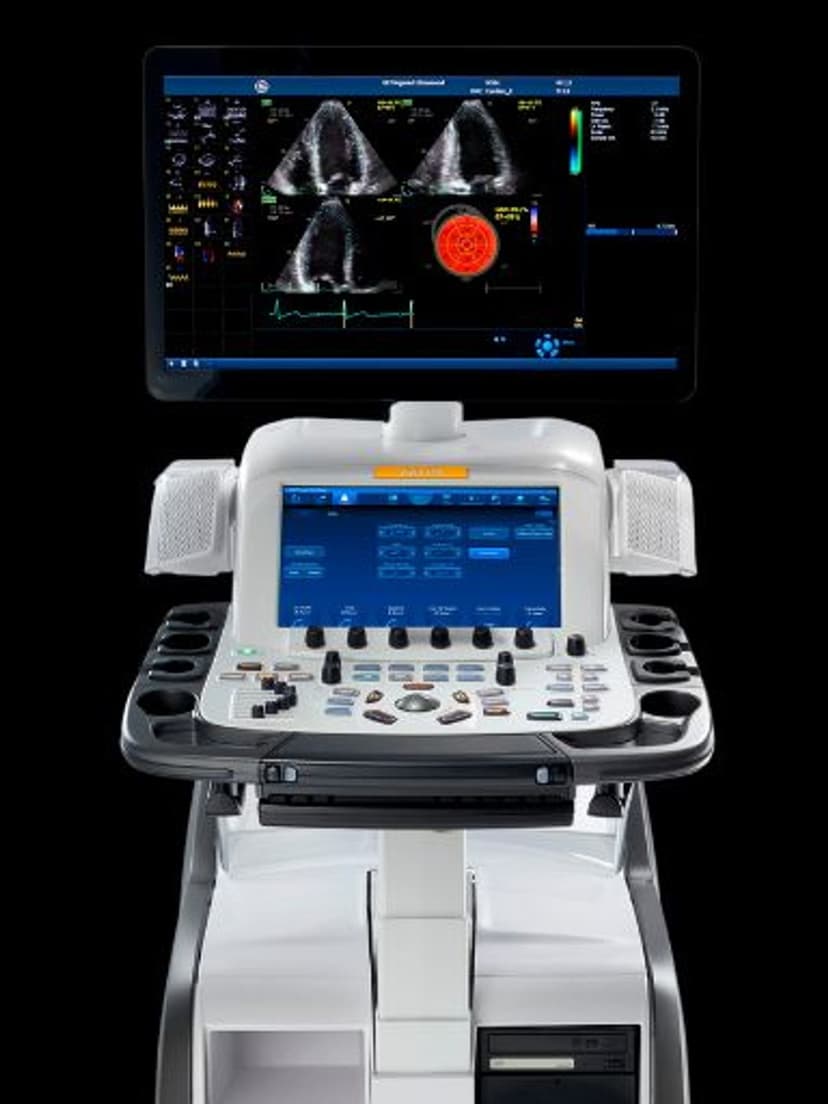
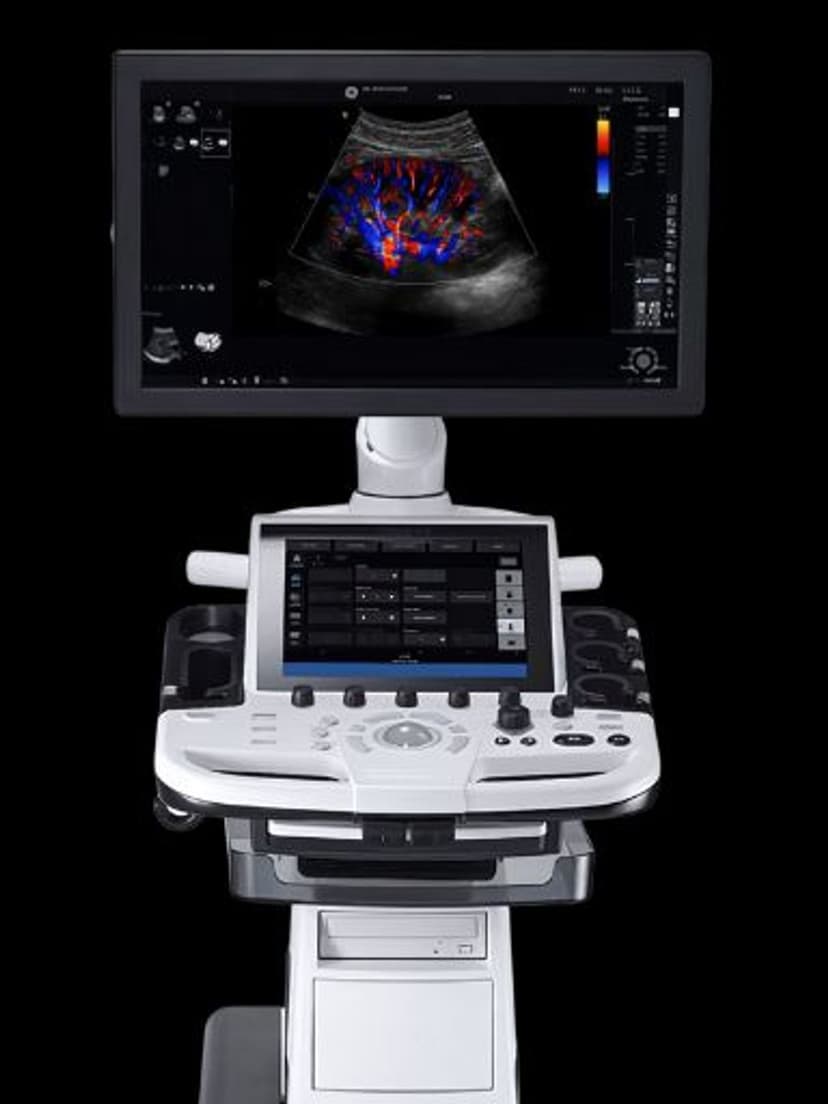
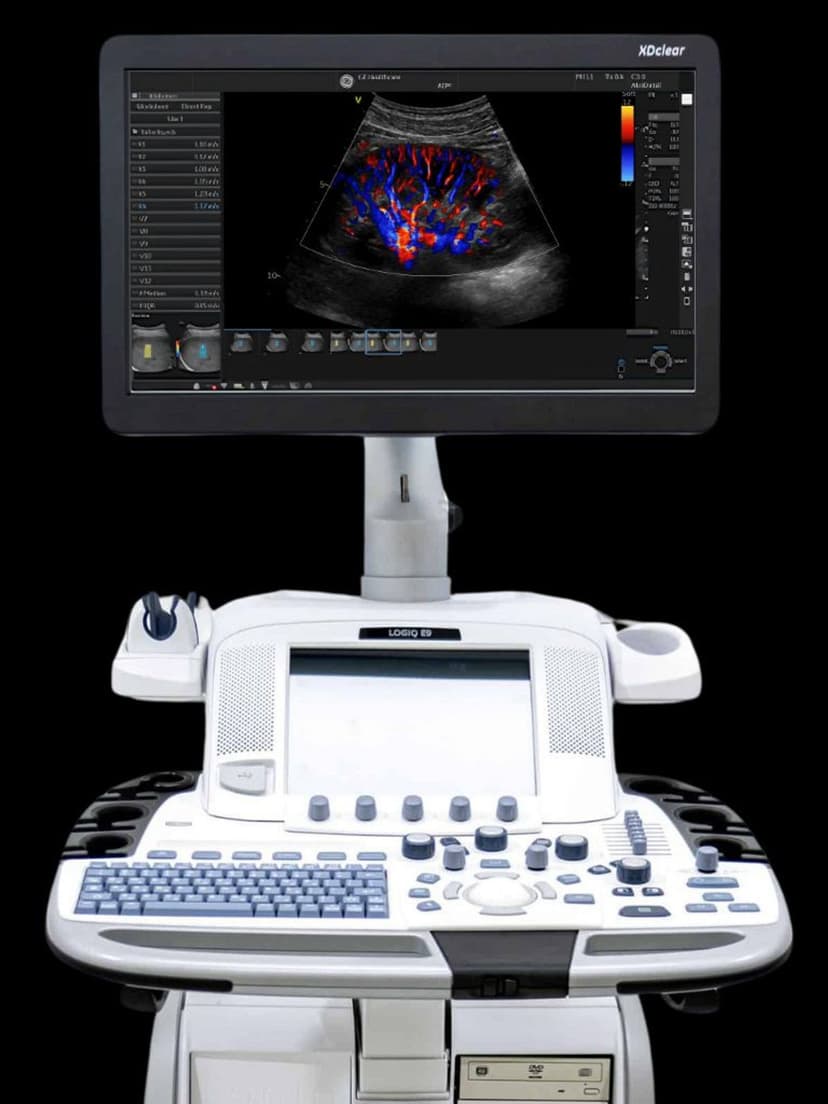
D-Pin interface connects to GE Vivid and LOGIQ flagship systems.
Applications
Cardiac Valve Assessment
CW Doppler captures peak velocities across the aortic, mitral, and tricuspid valves without aliasing, supporting accurate pressure gradient calculations via the simplified Bernoulli equation. The pencil form factor allows free-hand angulation to align the Doppler beam parallel to jet direction. Standard echocardiographic measurements including peak and mean gradients, pressure half-time, and valve area by continuity equation depend on clean CW spectral envelopes from a dedicated probe like the P6D.
Peripheral Vascular Hemodynamics
The 7.0 MHz frequency provides good signal-to-noise ratio for detecting high-grade stenosis in peripheral arteries and quantifying peak systolic velocity ratios. Ankle-brachial index measurements use the pencil probe to insonate the dorsalis pedis, posterior tibial, and brachial arteries. The small 9 mm footprint makes precise vessel targeting straightforward even in anatomically difficult locations.
Tricuspid Regurgitation & Pulmonary Pressures
Estimating right ventricular systolic pressure requires accurate CW measurement of the tricuspid regurgitant jet velocity. The P6D pencil profile allows the examiner to sweep across the precordium searching for the highest velocity signal without the constraint of an imaging footprint. This technique remains the primary non-invasive method for screening pulmonary hypertension in echocardiography labs.
Our Partners


















Need this probe for your system?
Request a quote with pricing, compatibility verification, and delivery timeline.