
GE Ultrasound Feature
UGAP
MeasurementUGAP (Ultrasound Guided Attenuation Parameter) measures how much ultrasound signal is absorbed as it passes through liver tissue. Higher attenuation correlates with greater fat deposition. The system generates a quantitative attenuation coefficient (dB/cm/MHz) that clinicians use to grade liver steatosis without biopsy. Available on GE LOGIQ systems, UGAP gives gastroenterologists, hepatologists, and primary care physicians a fast, repeatable method to screen for non-alcoholic fatty liver disease (NAFLD) and monitor treatment response over serial exams.

Key Benefits
Why UGAP matters
Non-invasive steatosis grading without biopsy
UGAP quantifies liver fat content from a standard ultrasound exam. Patients avoid the pain, risk, and cost of percutaneous liver biopsy, and clinicians get a quantitative fat measurement in under 30 seconds during routine abdominal scanning.
Quantitative attenuation coefficient for objective grading
Unlike subjective visual assessment of liver echogenicity, UGAP produces a numerical attenuation coefficient in dB/cm/MHz. This removes inter-observer variability and provides an objective, reproducible metric that maps to established steatosis grades (S0-S3).
Serial monitoring tracks treatment response
Because UGAP measurements are reproducible, clinicians can compare results across follow-up visits to track whether dietary changes, exercise programs, or medications are reducing hepatic fat content. This gives patients and providers concrete evidence of treatment progress.
Pairs with elastography for complete liver assessment
UGAP measures fat while shear wave elastography measures fibrosis. On LOGIQ systems, both measurements can be acquired in the same exam session, giving hepatologists a non-invasive assessment of both steatosis and fibrotic staging without scheduling separate procedures.
About UGAP
UGAP works by analyzing the rate at which ultrasound signal amplitude decreases with depth in the liver. Fat within hepatocytes scatters and absorbs ultrasound energy more than normal tissue, so a fatty liver produces measurably higher attenuation. During the exam, the clinician places a region of interest (ROI) in the right lobe of the liver, typically in an intercostal approach to avoid reverberation artifacts from the liver capsule. The system then calculates the attenuation coefficient and displays it alongside a reference scale that maps values to steatosis grades (S0 through S3). The entire measurement takes under 30 seconds and can be performed during a standard abdominal ultrasound exam without additional contrast agents or patient preparation. UGAP pairs with shear wave elastography: UGAP quantifies fat, while elastography quantifies fibrosis. Used together on LOGIQ systems, they provide a thorough non-invasive liver assessment that can reduce the need for biopsy in many clinical scenarios. The measurement is reproducible across sessions, making it useful for longitudinal monitoring in patients undergoing lifestyle modification or pharmacological treatment for NAFLD/NASH.
Availability
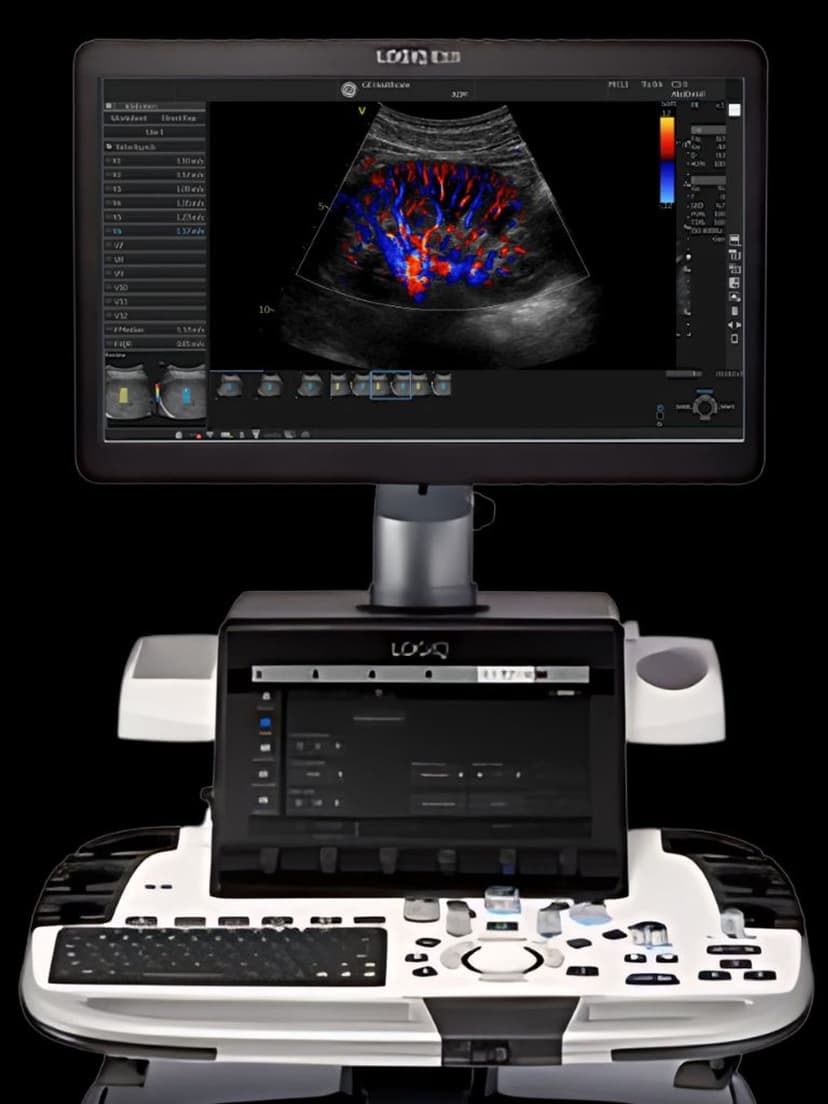
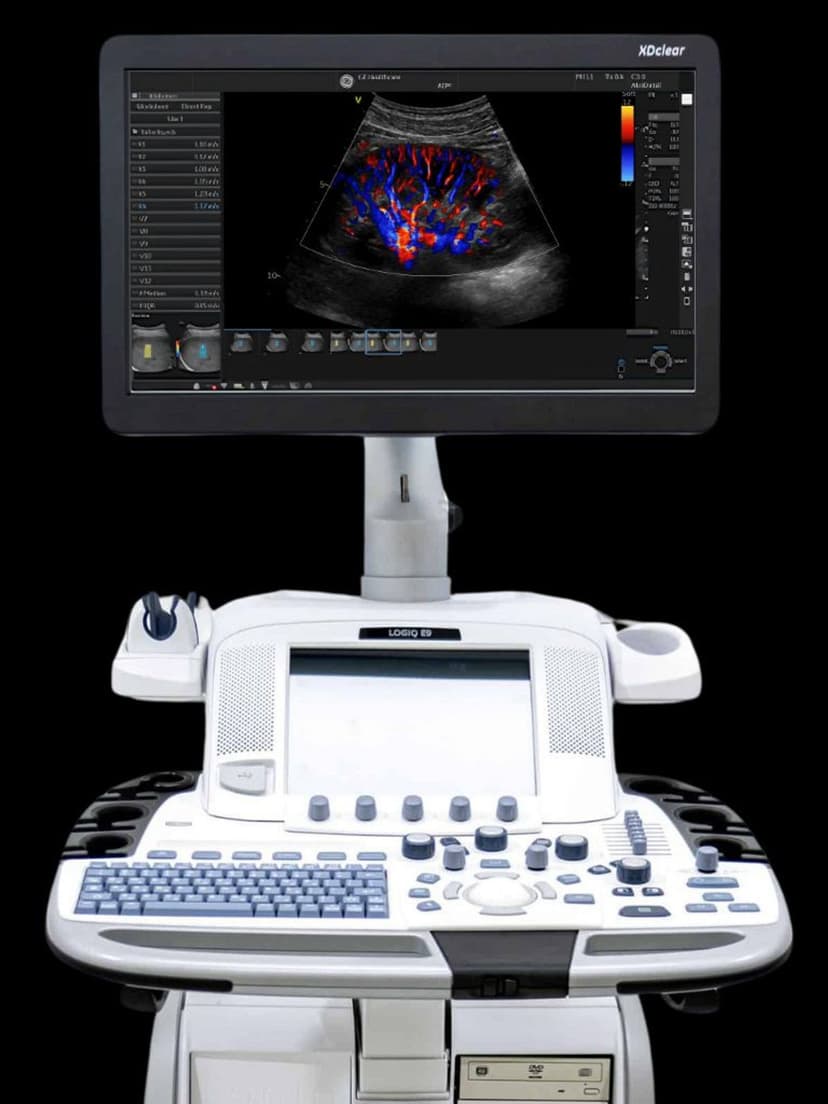
Available on these systems
Our Partners















Want UGAP in your practice?
Request a quote for a system that includes this feature.