
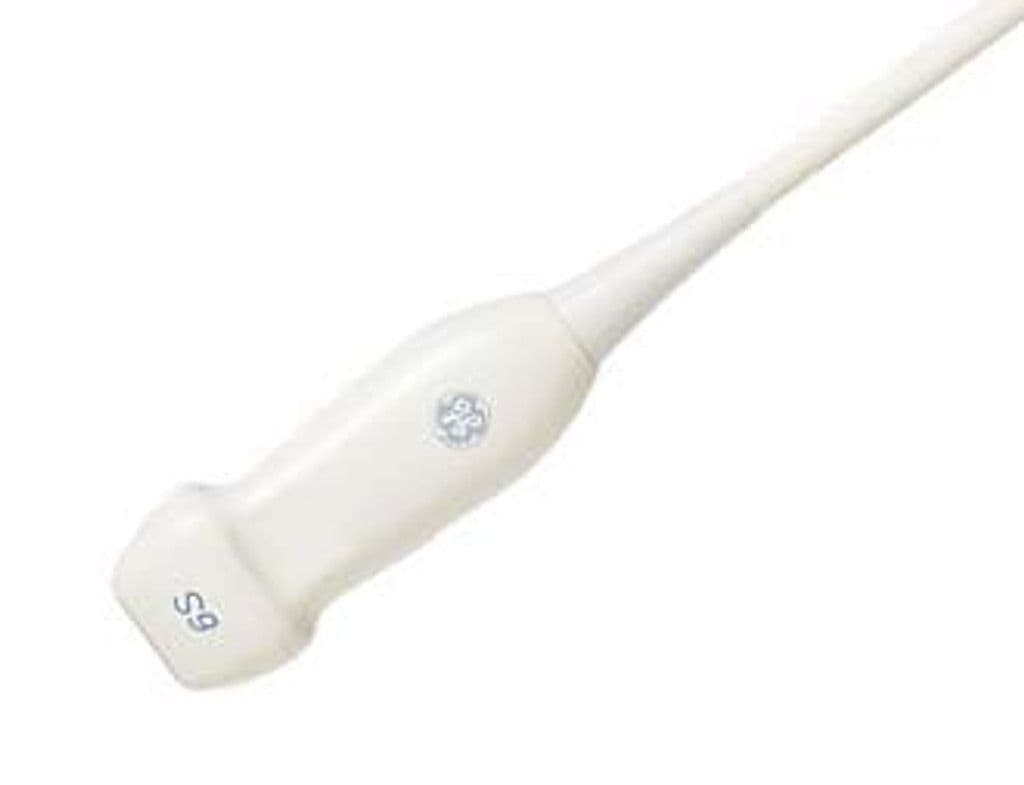
GE 6S-D
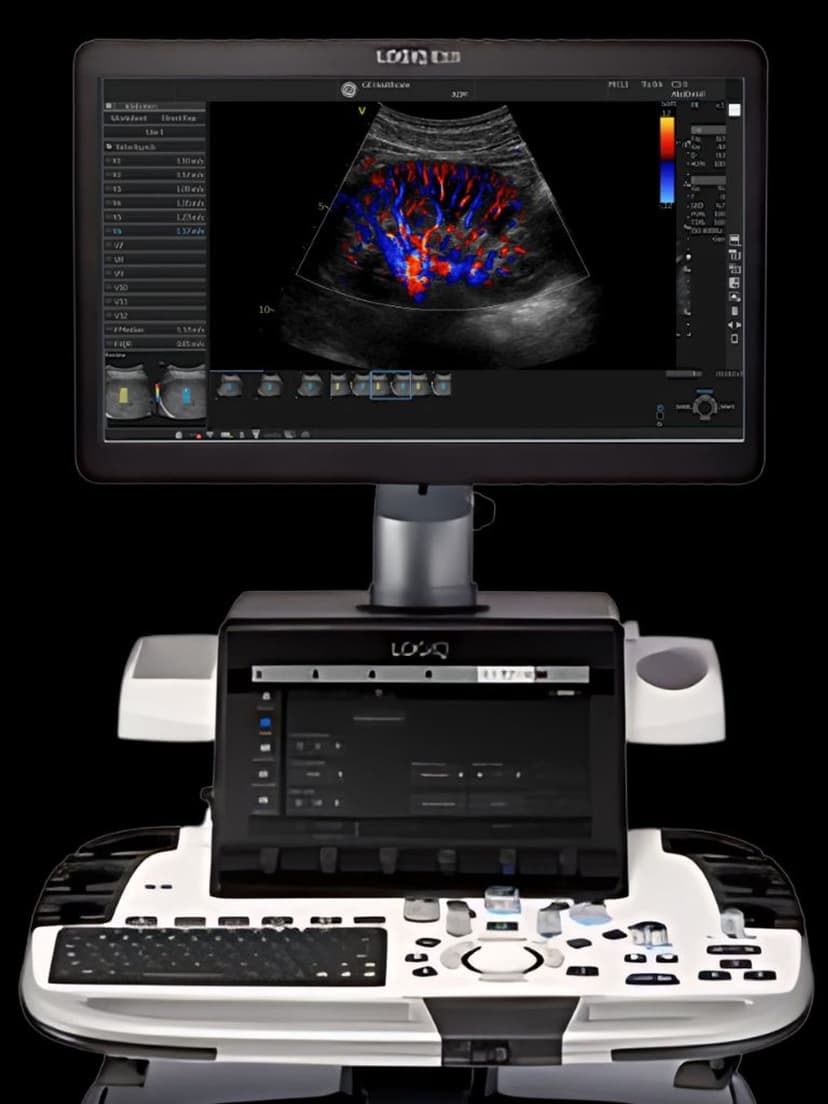
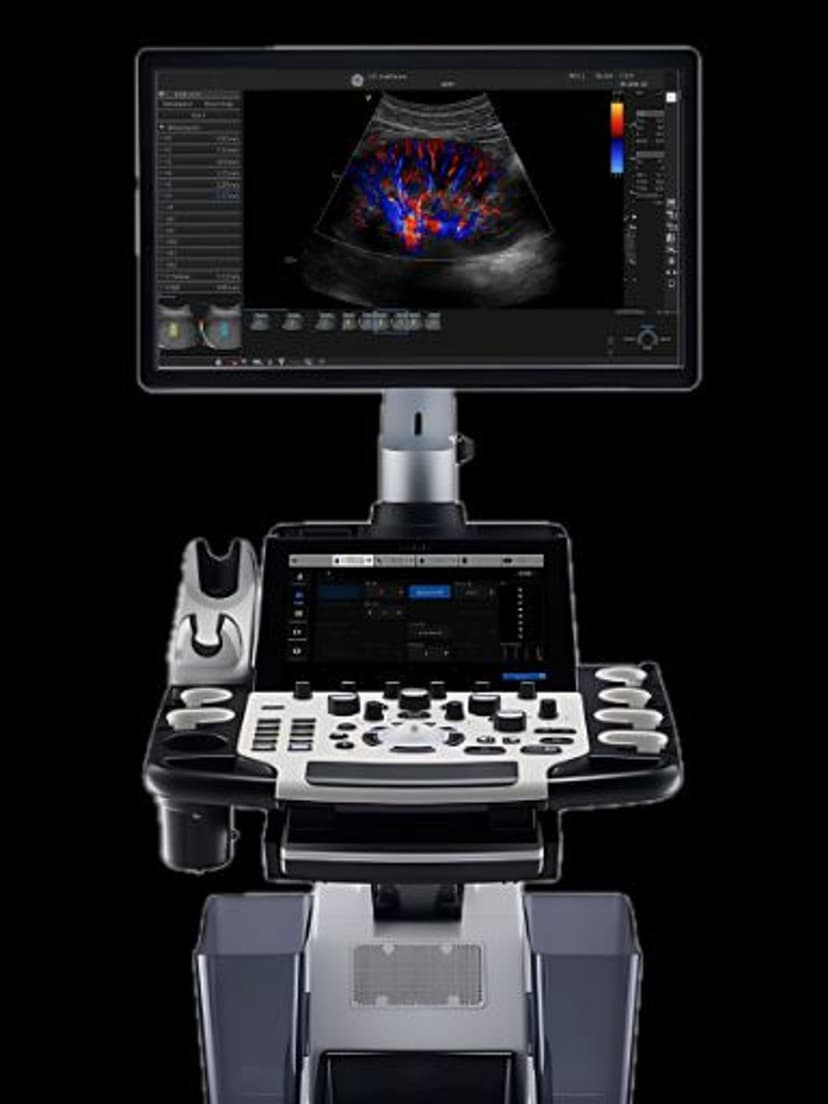
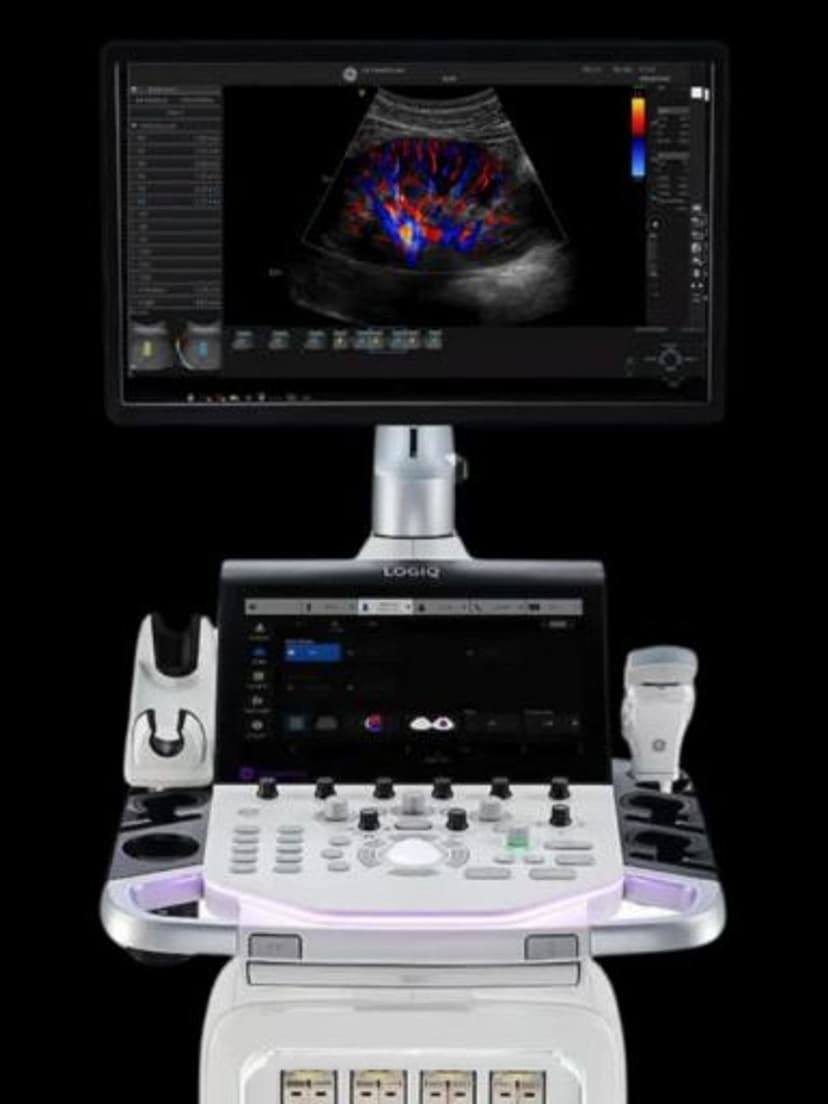
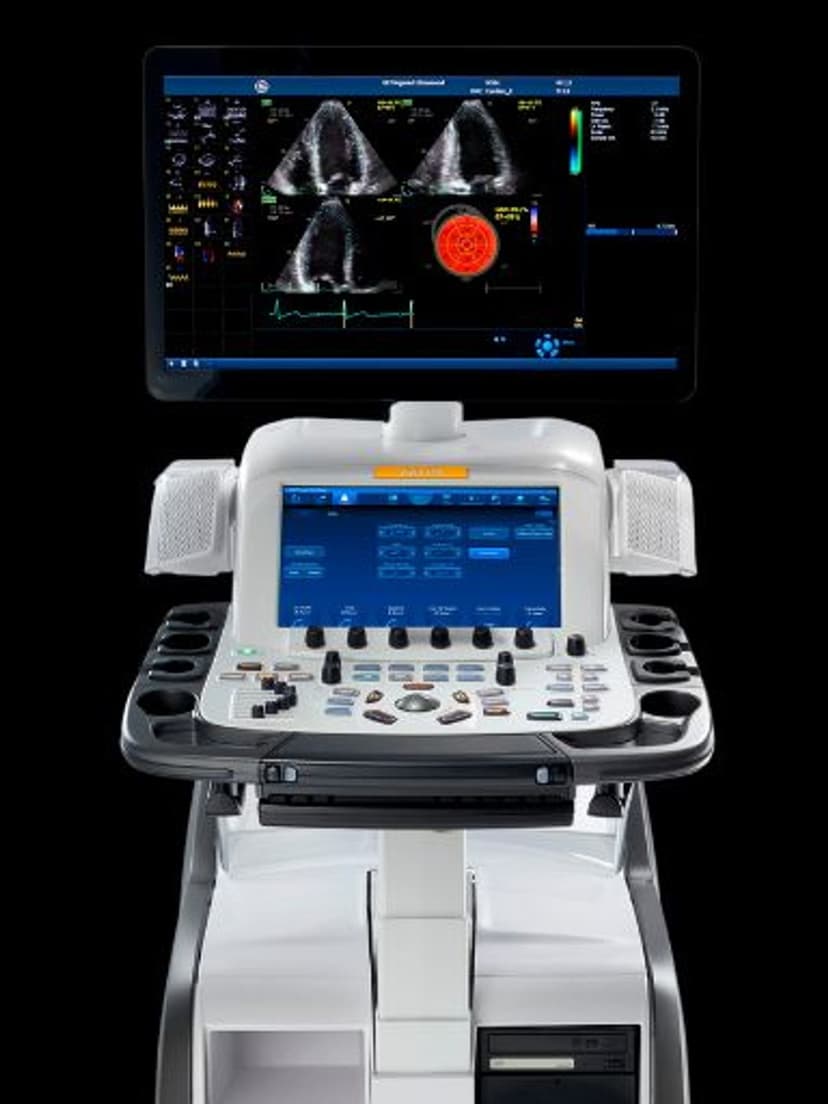
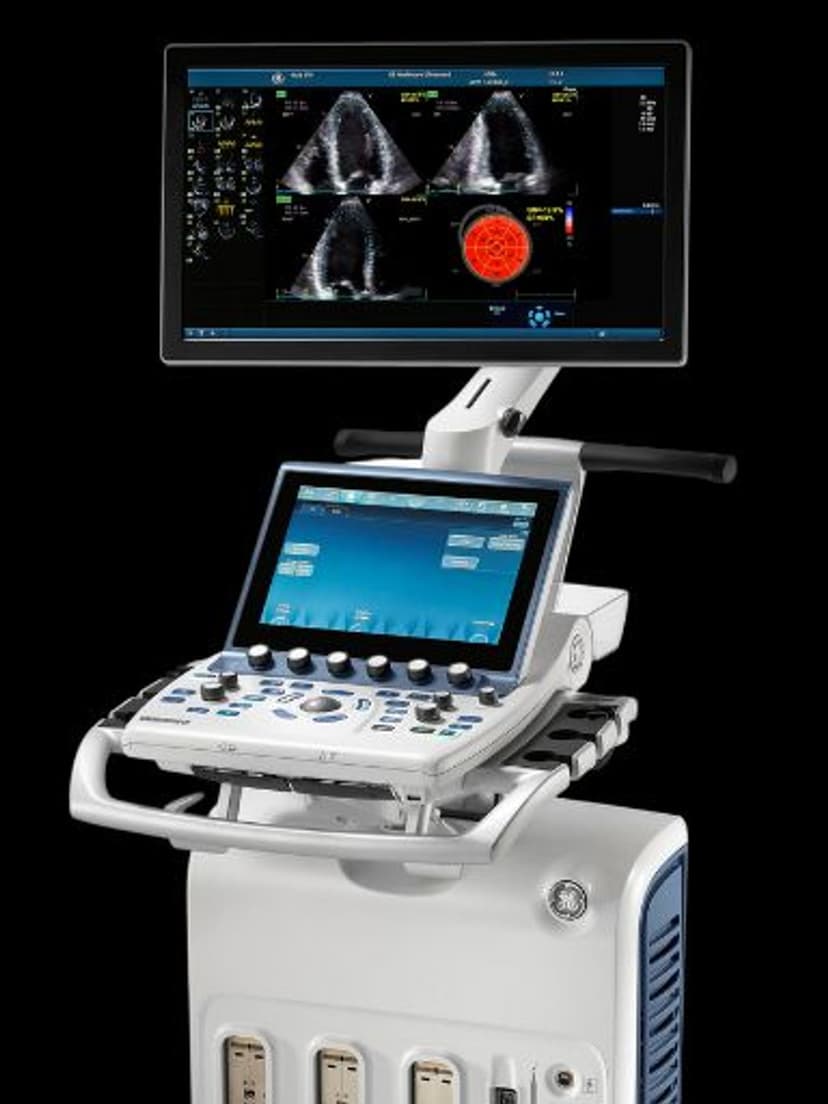
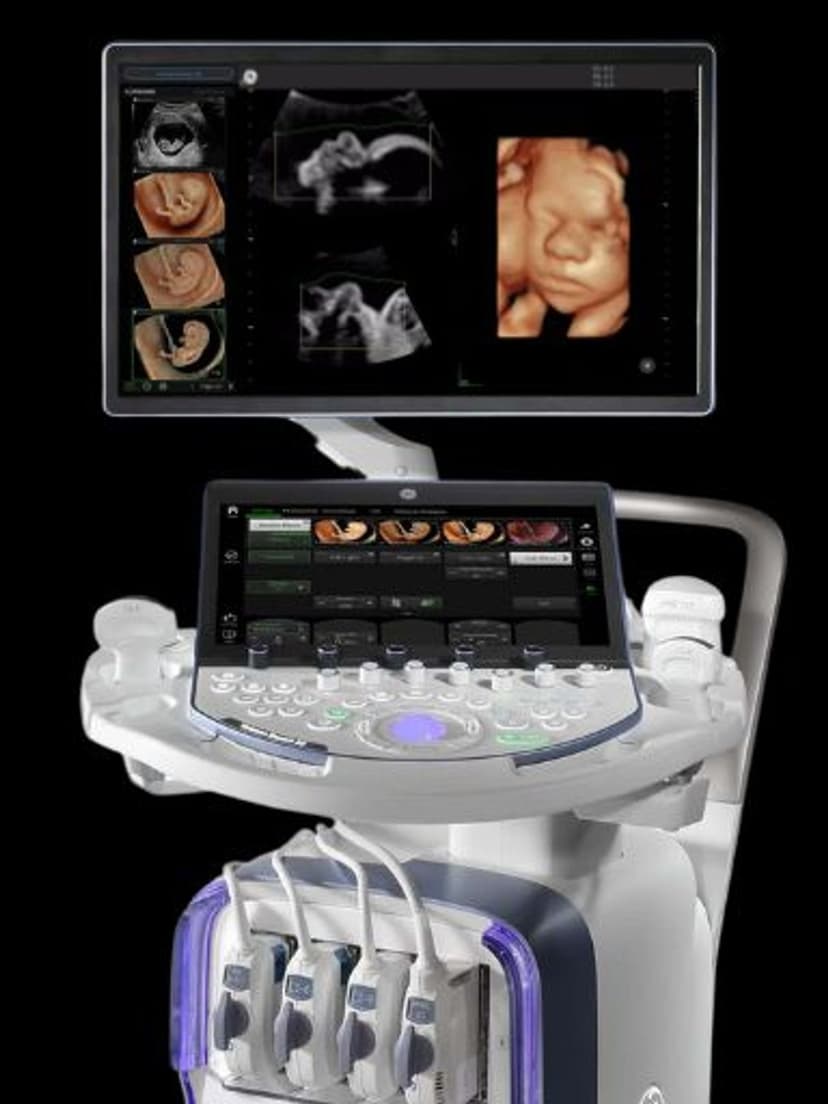
The 6S-D operates at 2.0–8.0 MHz, shifting the frequency range higher than standard adult cardiac phased arrays to resolve the smaller structures in pediatric and neonatal hearts. The compact probe head fits between neonatal ribs and fontanelles for both echocardiography and cranial imaging. On Vivid E95, Vivid S70, LOGIQ E10, LOGIQ Fortis, and LOGIQ Totus systems, the 6S-D supports B-Mode, Color Doppler, and PW Doppler for hemodynamic assessment in patients from preterm neonates through adolescents.
Specifications
Higher frequency range than adult cardiac probes targets the smaller structures in pediatric and neonatal hearts.
Standard cardiac sector angle captures full four-chamber and outflow tract views in pediatric patients.
Sufficient depth for pediatric cardiac and abdominal imaging from neonate through adolescent.
Complete diagnostic mode set for hemodynamic quantification in congenital heart disease.
D-Pin interface connects to GE flagship Vivid and LOGIQ systems.
Applications
Pediatric & Neonatal Echocardiography
The 6–8 MHz range resolves small intracardiac structures including atrial and ventricular septal defects, valve leaflets, and coronary origins in neonates and infants. The compact footprint seats in narrow intercostal spaces for parasternal and apical views in patients weighing under 10 kg. PW Doppler quantifies shunt velocities and valve gradients for congenital heart disease assessment and post-surgical follow-up.
Neonatal Cranial Imaging
Through the anterior fontanelle, the 6S-D provides coronal and sagittal views of the neonatal brain for detection of intraventricular hemorrhage and periventricular leukomalacia. The 8 MHz upper range improves gray-white matter differentiation in the near field. Color Doppler maps the circle of Willis and anterior cerebral artery flow for perfusion assessment in critically ill neonates.
Fetal Cardiac Assessment
The higher frequency range compared to standard obstetric probes improves visualization of fetal cardiac chambers, septa, and outflow tracts during targeted fetal echocardiography. Color and PW Doppler detect valve regurgitation and abnormal flow patterns in the four-chamber and outflow tract views. The 2.0 MHz low end maintains adequate penetration through maternal tissue in earlier gestational ages.
Our Partners


















Need this probe for your system?
Request a quote with pricing, compatibility verification, and delivery timeline.