
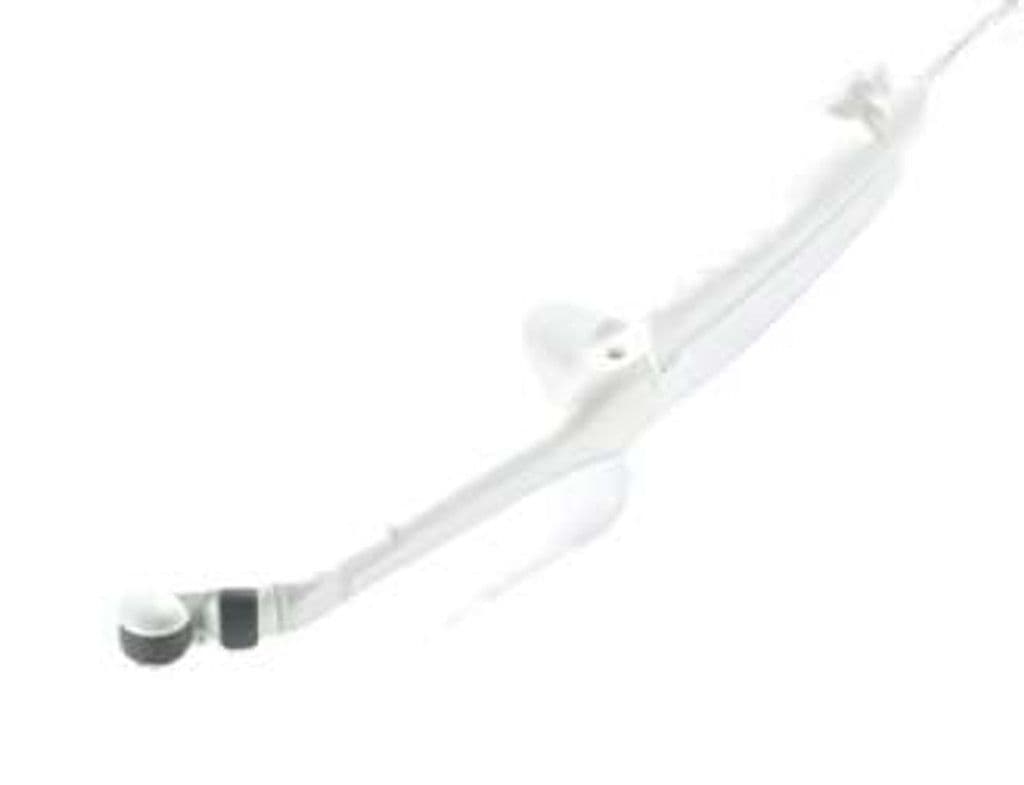
GE BE9CS-RS
The BE9CS-RS combines biplane scanning geometry with a 4–10 MHz bandwidth in a compact endocavity form factor. The 127-degree field of view captures sagittal and transverse prostate planes without repositioning, and the microconvex element array resolves glandular zones and calcifications at diagnostic depth. Color and PW Doppler modes evaluate periurethral and prostatic vascularity for biopsy planning and treatment monitoring.
Specifications
Mid-to-high frequency range balances glandular tissue resolution with depth for transrectal and pelvic imaging.
Wide sector angle covers the full prostate in both imaging planes without probe repositioning.
Biplane geometry acquires sagittal and transverse views simultaneously, reducing exam time.
Sufficient depth for transrectal prostate imaging and pelvic floor structures.
Full Doppler suite supports vascular assessment during urological examinations.
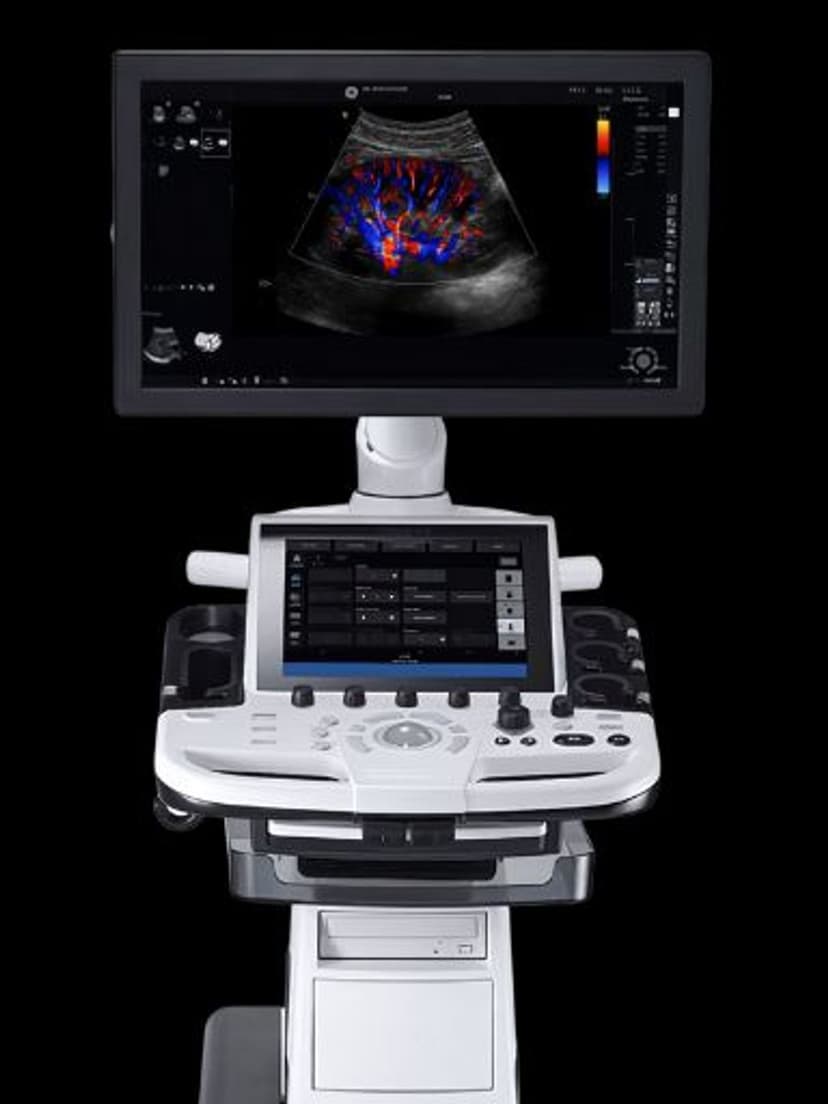
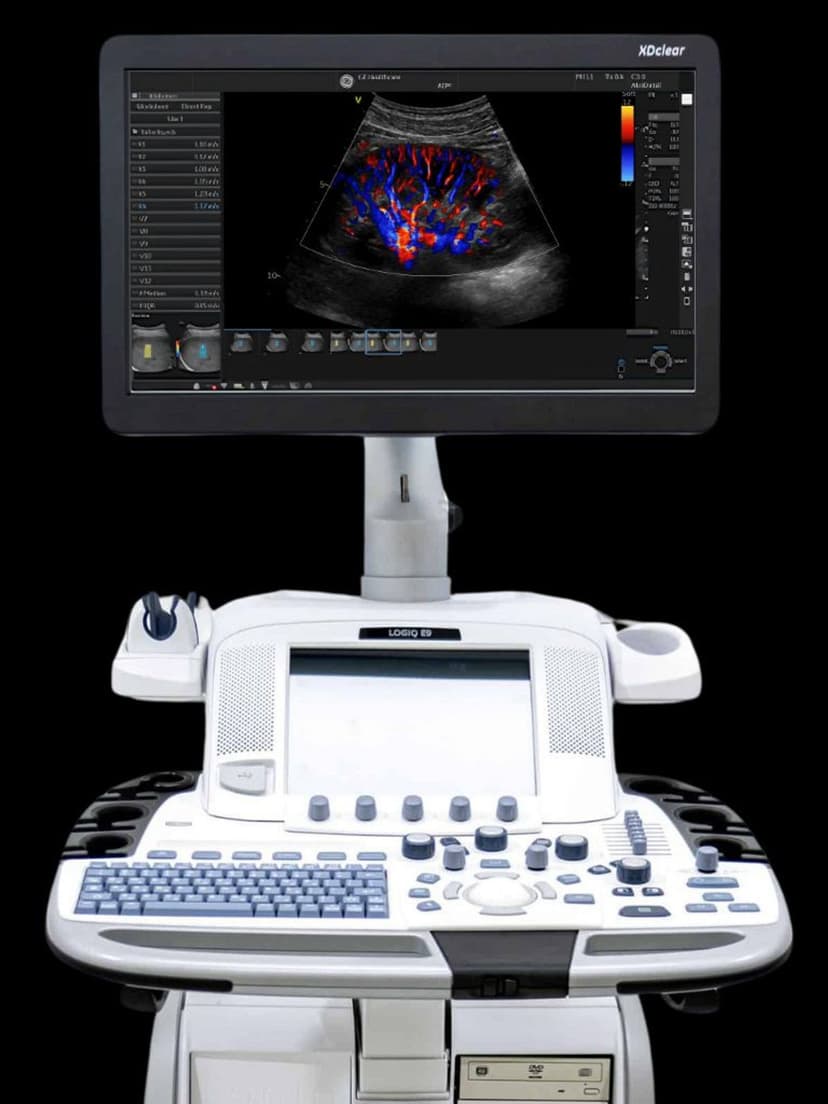
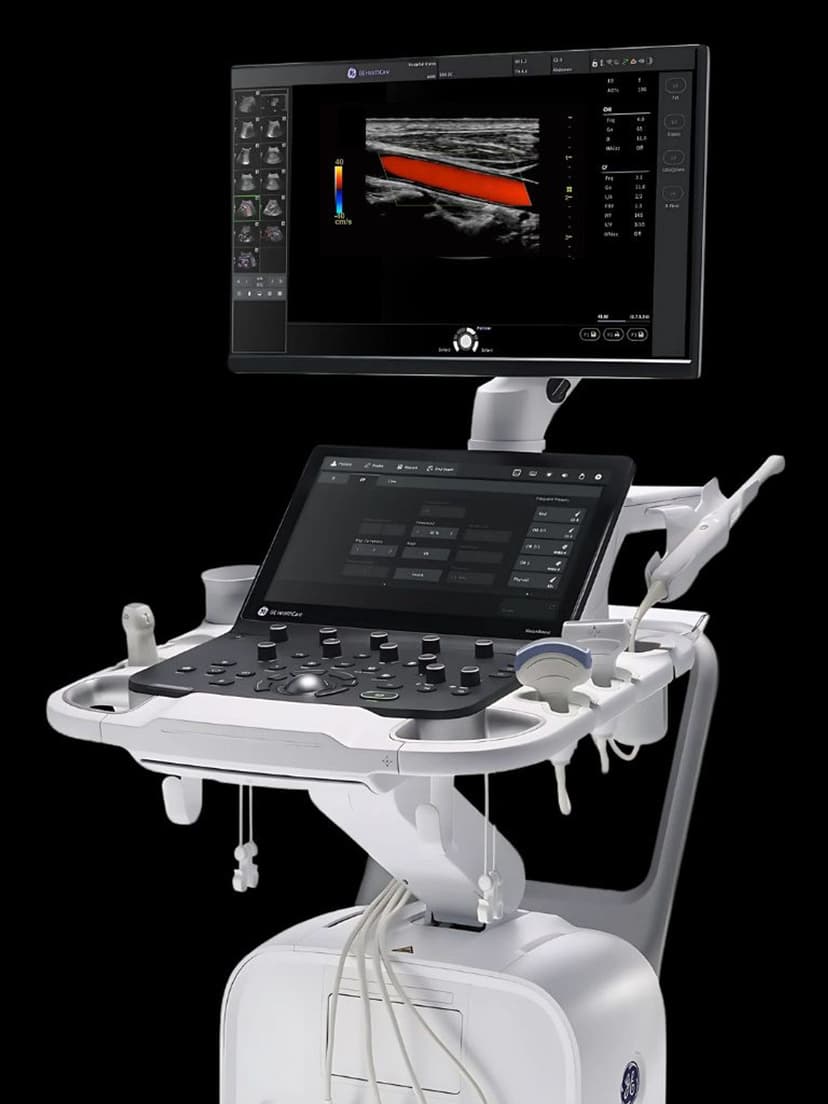
RS-Pin connector interfaces with GE LOGIQ and Versana systems.
Applications
Transrectal Prostate Imaging
Biplane geometry acquires sagittal and transverse views of the prostate without probe rotation, reducing exam time and patient discomfort. The 4–11 MHz range resolves the peripheral zone, transition zone, and seminal vesicles with detail sufficient for volume calculation and lesion characterization. Color Doppler identifies areas of increased vascularity that may warrant targeted biopsy.
Pelvic Floor Assessment
High-frequency endocavity imaging visualizes the levator ani, puborectalis, and anal sphincter complex. Real-time assessment during Valsalva and squeeze maneuvers quantifies pelvic organ prolapse and sphincter integrity. B-mode measurements support pre-surgical planning for stress urinary incontinence and pelvic reconstructive procedures.
Urological Evaluation
Transrectal and transperineal approaches image the bladder base, distal ureters, and prostate gland. Post-void residual volume calculations and bladder wall thickness measurements support lower urinary tract symptom workup. The 127-degree sector angle provides wide anatomical coverage from a fixed probe position.
Our Partners


















Need this probe for your system?
Request a quote with pricing, compatibility verification, and delivery timeline.